
A violin is a remarkably delicate assembly of seasoned tonewoods, held together by water-soluble hide glue and subjected to immense physical tension from its strings. Protecting this sensitive instrument requires more than a simple fabric bag; it demands a robust violin hard case capable of absorbing physical shocks, buffering environmental fluctuations, and securing the delicate setup of the bridge, soundpost, and fingerboard. Whether you are navigating a crowded daily commute, managing a student’s busy school schedule, or transporting a valuable historical instrument between concert halls, selecting the correct hard case is one of the most critical decisions you will make for your instrument’s longevity.
The term “violin hard case” covers a wide spectrum of designs, materials, and price points. While a basic model might focus solely on preventing puncture damage, advanced professional cases incorporate aerospace-grade composites, hermetic seals, and sophisticated internal suspension systems. Understanding how these features interact with your specific daily routine and local environmental conditions is essential to making an informed investment.
Evaluating these structural and environmental factors systematically allows you to select a case that offers optimal defense without adding unnecessary weight or exceeding your budget.
Products mentioned in this guide
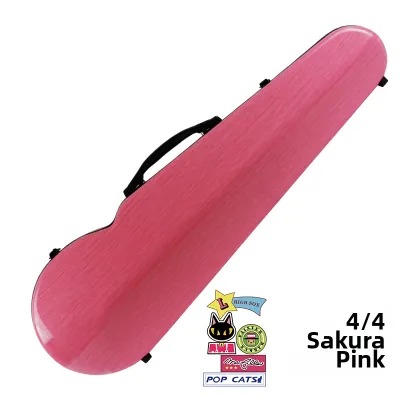
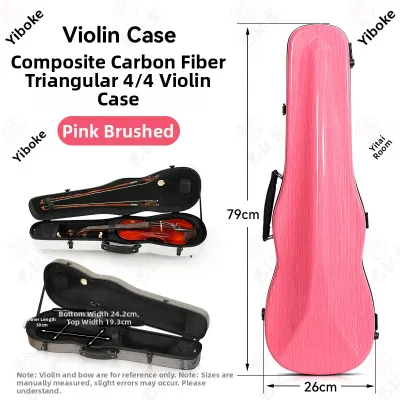
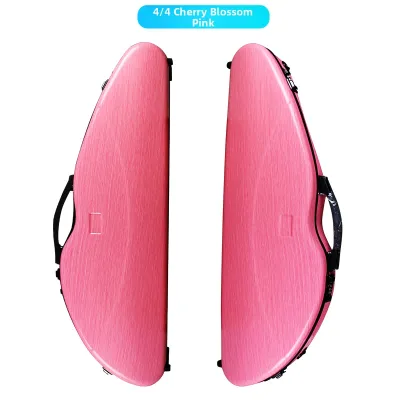
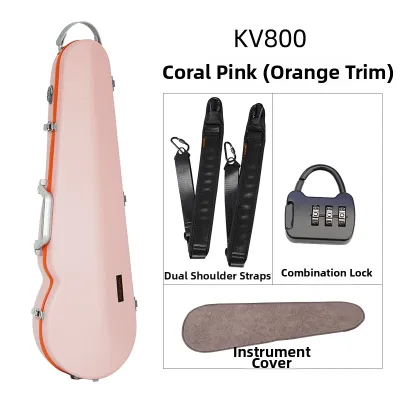
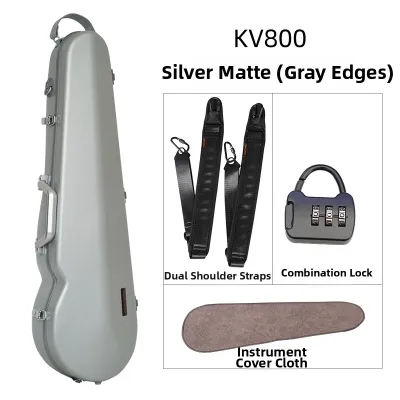
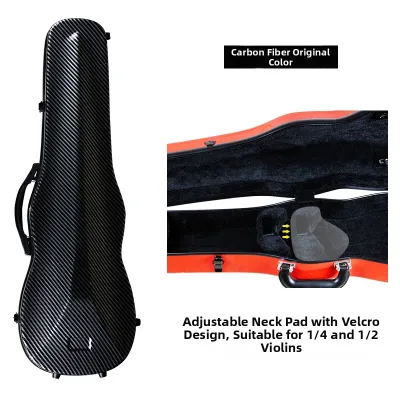
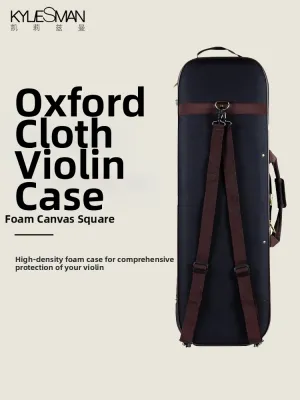
Prices are valid at publication and may change. Please refer to the product page for the latest price.
How to Evaluate Violin Hard Cases for Your Specific Needs
To choose the right violin hard case, you must first define the specific hazards your instrument is most likely to encounter. A case designed for a touring professional prioritizing thermal insulation will differ significantly from a lightweight case built for a student commuting on foot. Evaluating a case requires looking past aesthetic appeal and examining three primary protection dimensions: physical impact resistance, thermal insulation, and humidity regulation.
Physical impact resistance is determined by the structural rigidity of the outer shell and the shock-absorbing properties of the interior padding. The shell must be stiff enough to resist crushing forces—such as a heavy object falling on the case or the pressure of a crowded train—while the interior must cushion the instrument from sudden deceleration during a drop. This cushioning is achieved through an interior suspension system. A true suspension system uses foam blocks covered in soft fabric to support the violin at the upper and lower bouts, suspending the back and top plates of the instrument away from the outer walls of the case. This design ensures that if the case suffers an impact, the energy is absorbed by the suspension pads rather than being transmitted directly to the vulnerable neck, bridge, or soundpost of the violin.
Thermal insulation and humidity regulation are equally vital, particularly for instruments constructed from organic materials that expand and contract with environmental changes. Wood is highly sensitive to rapid shifts in temperature and relative humidity. A high-quality hard case acts as a thermal buffer, slowing down the rate at which the interior temperature adjusts to the outside environment. This buffering capability prevents the wood from shocking, which can lead to structural cracks, open seams, and tuning instability. When evaluating cases, look for tight-fitting valances—the interlocking edges where the lid meets the shell—and high-quality gasket seals that restrict air exchange, helping to maintain a stable microclimate inside.
Finally, you must weigh the practical trade-offs between weight, durability, and accessory storage. A larger rectangular case offers ample space for multiple bows, shoulder rests, sheet music, and cleaning supplies, but it will inherently weigh more and be more cumbersome to carry. Conversely, a contoured or “triangular” case minimizes weight and bulk, making it highly portable, but often forces you to carry accessories in a separate bag. Rather than relying on generic marketing terms like “ultra-lightweight” or “heavy-duty,” always verify the manufacturer’s exact weight specifications, exterior dimensions, and material compositions to ensure the case meets your physical capabilities and spatial requirements.
Top Hard Case Structures for Daily Commuting and Travel
For musicians who are constantly on the move, navigating public transportation, cycling, or boarding flights, the primary requirements for a violin hard case are low weight, high structural strength, and reliable weatherproofing. In these high-activity scenarios, the case is subjected to constant vibration, occasional bumps, and exposure to the elements, making material selection and ergonomic design paramount.

Modern composite materials, such as carbon fiber and advanced ABS (Acrylonitrile Butadiene Styrene) plastics, are the preferred choices for commuter cases due to their exceptional strength-to-weight ratios. Carbon fiber shells are incredibly rigid and thin, allowing manufacturers to produce extremely lightweight cases that can withstand significant crushing forces. ABS plastic, while slightly heavier than premium carbon fiber, offers excellent impact resistance and flexes slightly under pressure, absorbing shock energy effectively without cracking. Both materials provide a highly durable outer shield that resists scratches, punctures, and water penetration.
However, commuter-focused cases require more than just a tough shell; they must also feature secure internal and external hardware to facilitate safe transit:
- Secure Bow Spinners: Look for bow holders that feature a positive locking mechanism or a spring-loaded turn-bow spinner to prevent the bows from coming loose and scratching the violin's varnish during transport.
- Padded Backpack Straps: High-quality, ergonomic straps with safety cables or locking carabiners are essential for distributing weight evenly across your shoulders and preventing accidental drops due to strap failure.
- Subway Handles and Rubber Feet: A vertical grab handle (subway handle) on the upper bout of the case, combined with rubber feet on the bottom and side, allows you to stand the case upright securely in crowded spaces.
- Weather-Resistant Seals: A continuous rubber or neoprene gasket seal along the closure edge is critical for preventing rain from seeping into the case during sudden downpours.
While carbon fiber and synthetic composite cases excel in weight reduction and impact resistance, they possess a significant physical limitation: poor thermal insulation. Synthetic shells conduct heat much faster than traditional wood. If a carbon fiber case is exposed to direct sunlight or left in a warm environment, the interior temperature can rise rapidly, risking damage to the violin’s delicate glue joints and varnish. Commuters using these cases must practice active climate management, ensuring the instrument is never left in hot vehicles or exposed to direct sunlight for extended periods. Additionally, always verify airline carry-on compliance by checking the case’s linear dimensions against your carrier’s specific musical instrument policies before traveling.
Best Hard Case Options for Students and Beginners
Student and beginner violins require dependable protection that can withstand the rough-and-tumble environment of schools, orchestras, and music camps, all while remaining within a practical budget. For these users, a case must be structurally forgiving, highly shock-absorbent, and easy to handle, without the premium cost associated with professional carbon fiber or fine wooden cases.
High-density foam shells, often referred to as polyfoam or expanded polystyrene (EPS) cases, represent the most practical structural design for student instruments. Unlike rigid plastics or composites, high-density foam is an outstanding shock absorber. If a student drops the case on a concrete school yard, the foam shell compresses slightly, dissipating the impact energy before it reaches the violin. Furthermore, foam possesses excellent natural thermal insulation properties, protecting the instrument from rapid temperature fluctuations far better than cheap plastic shells. These cases are usually covered with a durable, water-resistant nylon or Cordura fabric exterior, which provides additional puncture resistance and allows for large external sheet music pockets.
When selecting a student hard case, pay close attention to the interior layout and safety features:
- Plush-Lined Interiors: The interior fabric must be soft and non-abrasive, such as cotton plush or micro-velvet, to prevent scratching the violin's delicate finish during frequent packing and unpacking.
- Analog Hygrometers: While basic analog hygrometers built into student cases may not have the absolute precision of digital sensors, they serve as a valuable educational tool, teaching young musicians to monitor humidity levels.
- Secure Latches and Heavy-Duty Zippers: Student cases are opened and closed multiple times a day. Ensure the case features robust, oversized zippers (such as YKK brand) and a primary mechanical latch that prevents the case from spilling open if the zippers are left undone.
Fit is another critical factor that is frequently overlooked in student instruments. Many young students play fractional-size violins (such as 1/2, 3/4, or 7/8 sizes). It is vital to purchase a case that matches the exact fractional size of the instrument. Never place a fractional violin in a full-size (4/4) case with the intention of letting the student “grow into it.” An oversized interior allows the instrument to shift dynamically during transport, which can lead to broken bridges, snapped necks, or cosmetic damage. Always measure the violin’s total length and bout widths, and verify these dimensions against the case manufacturer’s interior specifications to ensure a snug, immobile fit. Finally, inspect the reinforcement of the carrying handle and the attachment points for the shoulder straps, as these high-stress areas endure the most wear in student environments.
Professional-Grade Hard Cases for Performances and Archival Storage
Professional violinists, collectors, and owners of high-value historical instruments require a level of protection that goes beyond basic impact resistance. For these users, a hard case must serve as a mobile climate-controlled vault, preserving the acoustic properties, structural integrity, and delicate varnish of the instrument under demanding performance schedules and long-term storage conditions.
Traditional wooden shells, constructed from multi-ply laminate plywood, remain the gold standard for professional-grade protection. Wood is a natural insulator with low thermal conductivity, meaning it responds very slowly to external temperature shifts. This slow thermal transfer is critical for protecting antique instruments from the shock of moving between varying environments. Modern high-end manufacturers have refined this traditional design by combining thin, structurally rigid wood laminates with advanced composite outer layers, creating “hybrid” shells that offer the unmatched thermal buffering of wood alongside the lightweight strength of modern synthetics.
The interior of a professional case is engineered with extreme precision to eliminate any pressure on the violin’s most sensitive components. High-end cases often utilize a “French-fit” or customized suspension design, where the interior cavity is molded precisely to the specific dimensions of the violin. The instrument is supported entirely by strategically placed, silk- or high-grade cotton velvet-lined cushions at the neck block and tail block. This ensures that the fragile top plate, bridge, fingerboard, and soundpost are completely free from contact or pressure, even if the case is subjected to severe external forces.
To maintain the pristine condition of the instrument, professional cases incorporate premium climate-control and archival features:
- Integrated Humidification Systems: Built-in humidifiers, such as vapor tubes or dedicated compartments for two-way humidity control packs, allow musicians to actively manage moisture levels.
- Calibrated Digital Hygrometers: High-precision digital hygrometers provide accurate, real-time readings of the internal relative humidity, allowing for immediate adjustments.
- Varnish-Safe Linings: Premium cases use 100% silk or high-grade cotton velvet linings. Synthetic materials like polyester can trap heat and release chemicals that react with delicate spirit- or oil-based historical varnishes, causing clouding or softening over time.
- Heavy-Duty Brass Hardware: Solid brass latches, secure key locks, and reinforced hinges ensure the case remains tightly sealed and structurally sound over decades of use.
When investing in a professional-grade case, always verify the manufacturer’s warranty terms, the authenticity of the materials used, and the specific care instructions for the exterior finishes. Some premium cases feature leather, canvas, or high-tech water-repellent covers that require specialized maintenance to preserve their protective qualities and aesthetic appeal.
Essential Pre-Purchase Checks for Singapore's Tropical Climate
Singapore’s tropical climate presents a unique and severe set of challenges for violin preservation. With outdoor relative humidity consistently hovering between 80% and 90%, and temperatures remaining high year-round, instruments are highly susceptible to wood swelling, peg slippage, mold growth, and glue joint failure. Conversely, stepping into highly air-conditioned concert halls, rehearsal spaces, or homes subjects the instrument to sudden drops in humidity (often down to 40% or lower) and temperature. This rapid environmental cycling is incredibly stressful for tonewoods and requires a hard case specifically equipped to handle these transitions.
When selecting a violin hard case for use in Singapore, the quality of the case’s seal is your first line of defense. Inspect the valance carefully; it should feature a continuous, high-quality neoprene or rubber gasket that creates an airtight seal when the case is closed. This seal restricts the exchange of humid outdoor air with the controlled air inside the case, allowing you to maintain a stable microclimate. Without a proper seal, the interior of your case will quickly match the ambient humidity, exposing your violin to excessive moisture that can cause the wood to warp and encourage mold to colonize the interior lining.
Inside the case, look for dedicated compartments or secure mounting areas for aftermarket humidity control products, such as silica gel packs or two-way humidity regulators. It is critical that these desiccants do not come into direct contact with the violin’s varnish, as localized dry spots can cause uneven wood tension. Additionally, verify that the adhesives, linings, and shell materials used by the manufacturer are rated for high-temperature and high-humidity environments. Low-quality adhesives used in cheaper cases can degrade, become sticky, or off-gas harmful chemical vapors when exposed to tropical warmth, which can permanently damage a violin’s finish.
Finally, evaluate the thermal inertia of the case. When transitioning from a cold, air-conditioned MRT train or building into the warm, humid outdoors, moisture will naturally condense on cold surfaces. If you open your case immediately, condensation can form directly on your violin’s wood and strings. A case with good thermal insulation—such as a high-density foam or wooden shell—slows down this temperature transition. To protect your instrument, always leave the case closed for 15 to 20 minutes after changing environments, allowing the internal temperature to equalize slowly before exposing the violin to the air.
Frequently Asked Questions (FAQ)
Can I use a full-size hard case for a fractional violin?
No, you should not use a full-size (4/4) hard case for a fractional violin. A fractional instrument (such as a 3/4 or 1/2 size) will not fit securely within the suspension pads of a full-size case. This mismatch allows the violin to slide and shift dynamically inside the case during transport. This movement can result in severe structural damage, including a snapped neck, a cracked pegbox, or a collapsed bridge. If you must temporarily use a larger case, you must pack the empty space with dense, soft microfiber cloths to completely immobilize the instrument. However, this is only a temporary measure; for reliable protection, always use a dedicated hard case designed specifically for your violin’s exact fractional size.
How should I manage case humidity in air-conditioned environments?
Managing case humidity when moving between humid outdoors and dry, air-conditioned spaces requires active monitoring and a reliable two-way humidity control system. Always monitor your case’s internal hygrometer; the ideal relative humidity for a violin is between 45% and 55%. When entering an air-conditioned room, the humidity inside the case will begin to drop. To counteract this, use a two-way humidity control pack designed to absorb excess moisture in humid conditions and release it in dry environments. Always follow the manufacturer’s instructions for these products. Never place damp sponges or unsealed humidifiers directly inside the case compartment or against the instrument, as direct contact with liquid water will warp the tonewoods and ruin the varnish.
Community discussion
Share your experience or ask a question. Comments are reviewed before publication.