
Selecting your very first acoustic guitar is a pivotal step that shapes your entire musical journey. For decades, Yamaha has been a staple recommendation for beginners due to its structured approach to instrument design, offering reliable build quality across various body shapes and price points. To find the right match, a novice player must balance physical comfort, musical preferences, and the environmental conditions of their living space.
The most suitable Yamaha acoustic guitars for complete beginners generally fall into three distinct categories: the F series (traditional dreadnoughts), the FS series (compact concert bodies), and the C series (classical nylon-string instruments). Each series addresses specific physical needs and tonal goals. By understanding how these designs differ in size, string tension, and wood construction, you can confidently select an instrument that minimizes early finger fatigue and encourages consistent daily practice.
Quick Guide: Matching Yamaha Series to Your Playing Style
Before diving into technical specifications, it is helpful to map Yamaha’s primary beginner series directly to your physical build and musical interests. The traditional dreadnought shape, represented by the F series, features a large, deep body that produces a robust volume and deep bass response. This style is highly suited for players with larger physical frames who want to focus on flatpicking or heavy strumming.
Products mentioned in this guide
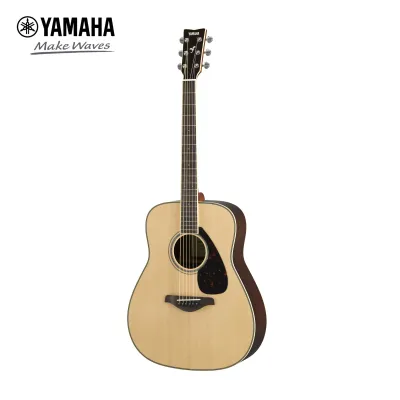
Prices are valid at publication and may change. Please refer to the product page for the latest price.
Conversely, the FS series utilizes a concert body shape, which is noticeably smaller, shallower, and curved at the waist. This design offers a more comfortable fit for younger players, individuals with smaller frames, or anyone who prefers practicing while seated in a compact living space.
For those concerned about initial fingertip pain, the C series classical guitars present an alternative path. These instruments utilize nylon strings, which exert significantly less tension than steel strings and are much gentler on uncalloused fingers. However, classical guitars feature wider, flatter necks that require a different hand posture and are tailored primarily for classical, flamenco, or gentle fingerstyle music.
When preparing to make a purchase, always verify current stock, exact model numbers, and specific material configurations at authorized music retailers. Minor variations in model suffixes can indicate differences in wood types or the inclusion of built-in electronics, so cross-referencing the manufacturer’s official spec sheet before finalizing your decision is essential.
Why Yamaha is a Trusted Choice for First-Time Players
For a beginner, an instrument’s playability is far more critical than its cosmetic appeal. Yamaha has established a reputation among music educators because of its consistent factory quality control. Unlike many entry-level instruments that arrive with uneven frets or poorly cut nuts, these guitars generally maintain a standard setup straight from the factory. This consistency reduces the immediate need for expensive professional adjustments, allowing you to start learning chords immediately without fighting the instrument.

The physical design of the neck is another area where beginner comfort is prioritized. Yamaha typically designs its entry-level steel-string necks with a modern, slim profile and a comfortable fretboard radius. This shape fits naturally into the palm of a novice hand, making it easier to press down strings cleanly and reducing the hand fatigue that often discourages new players during their first few weeks of practice.
Additionally, the structural durability of these instruments is a significant advantage, particularly in tropical climates with high relative humidity. Fluctuations between humid outdoor air and dry, air-conditioned indoor environments can cause solid wood to warp or crack. Yamaha’s use of multi-layered laminate woods and robust internal bracing in their entry-level models provides excellent structural stability. This durable construction ensures the guitar remains playable and holds its tune even when subjected to typical household temperature and humidity shifts.
Essential Specs to Check Before Buying Your First Guitar
Navigating the technical specifications of an acoustic guitar can feel overwhelming for a beginner, but focusing on a few key metrics will simplify the process. The first major decision involves the choice of tonewood, specifically whether the guitar features a laminate top or a solid wood top. Laminate tops consist of multiple thin layers of wood pressed together, offering high resistance to humidity changes and a lower price point, though they do not mature in sound over time. Solid tops, on the other hand, consist of a single piece of wood that vibrates more freely, producing a richer, more resonant tone that improves as the wood ages, though they require more careful humidity maintenance.
Another critical specification is the action height, which refers to the distance between the strings and the fretboard. If the action is too high, pressing the strings down requires excessive finger strength, leading to rapid fatigue and buzzing notes. If the action is too low, the strings will rattle against the frets when strummed. While a professional setup can adjust this later, checking that the factory action is comfortable out of the box is a smart way to ensure a smooth learning curve.
Finally, pay close attention to the physical dimensions of the guitar, including the body depth and scale length. Scale length—the distance between the nut and the bridge—directly affects string tension; a shorter scale length generally results in slightly looser strings that are easier to press down. For players practicing in compact apartments where storage space is limited, a shallower body depth not only improves physical comfort during long practice sessions but also makes the instrument much easier to store securely.
Recommended Yamaha Acoustic Series for Beginners
Rather than searching for a single, elusive model number, beginners should approach their search by evaluating Yamaha’s distinct instrument series. Each series represents a specific design philosophy, optimized for different physical requirements, tonal preferences, and playing styles. By understanding the core characteristics of these series, you can easily identify which category aligns with your personal goals.
When browsing these options, it is highly recommended to read the manufacturer’s official specification sheets to confirm the exact dimensions, scale lengths, and materials of the specific models available in your local shops. The physical size of the guitar body does not merely dictate comfort; it also fundamentally shapes how the instrument projects sound, influences your playing posture, and determines how much physical effort is required to wrap your arm around the lower bout.
Yamaha F Series: The Standard Dreadnought
The Yamaha F series represents the traditional dreadnought acoustic guitar, a design that has remained the industry standard for decades. Characterized by its large, square-shouldered body, this series is engineered to deliver maximum projection, a deep bass response, and a full, robust midrange. It is the classic choice for players who want to accompany vocals, participate in acoustic jam sessions, or practice heavy strumming and flatpicking techniques.
However, the substantial physical size of a dreadnought body requires careful consideration. For younger players, individuals with shorter arms, or those who prefer to practice while curled up on a sofa, the wide lower bout and deep body of the F series can feel cumbersome. It may force your right shoulder into an unnaturally elevated position, leading to discomfort over time. If you choose this series, practicing proper playing posture—such as using a strap even while seated or resting the guitar on your left leg in a classical position—can help mitigate these physical challenges.
When inspecting an F series model, check the specification sheet for the specific bracing pattern and hardware components. Look for models featuring die-cast chrome tuners, which offer better tuning stability than open-gear alternatives. Additionally, verify whether the finish is gloss or matte; a gloss finish provides a classic look and extra protection against minor scratches, while a matte finish on the neck can offer a smoother, faster feel for sliding your hand between chord positions.
Yamaha FS Series: The Comfortable Concert Body
For players who find the dreadnought shape too bulky, the Yamaha FS series offers an elegant solution. These instruments feature a concert body shape, which is significantly more compact than the F series. The waist of the guitar is more deeply curved, the overall body depth is shallower, and the scale length is slightly shorter. These design modifications make the FS series exceptionally comfortable to hold, allowing the player’s arm to drape naturally over the body without straining the shoulder.
This physical comfort does come with specific tonal trade-offs. Because the body volume is smaller, an FS series guitar will naturally produce less volume and a more controlled, tighter bass response compared to a dreadnought. However, it compensates for this with a highly balanced midrange and clear, articulate treble frequencies. This tonal profile is highly favored for fingerstyle playing, light strumming, and recording, as the sound is less prone to becoming muddy or boomy.
The FS series is an ideal match for players who primarily practice in seated positions, those with smaller physical frames, or apartment dwellers who want a highly portable instrument that does not project an overwhelming volume through thin walls. The slightly shorter scale length also reduces string tension slightly, making chord stretches and string bends feel noticeably softer under the fingertips.
Yamaha C Series: The Classical Nylon-String Option
The Yamaha C series represents a completely different approach to the acoustic guitar, utilizing nylon strings instead of steel. For absolute beginners, the primary appeal of a classical guitar is physical comfort. Nylon strings are significantly softer and more flexible than steel strings, which dramatically reduces the initial fingertip pain and blistering that almost all new players experience. This makes the early stages of learning chords much more approachable and less physically discouraging.
However, beginners must understand that classical guitars feature a very different neck geometry. The neck of a C series guitar is noticeably wider and has a completely flat fretboard, unlike the radiused, curved fretboards found on steel-string acoustics. This wider string spacing is excellent for preventing your fingers from accidentally muting adjacent strings, but it requires your hand to stretch much further to form standard chord shapes. This can make transition techniques and barre chords challenging for players with smaller hands.
When evaluating a C series classical guitar, pay close attention to the unique construction details. Inspect the bridge area to ensure the nylon strings are tied securely and that there is no lifting of the bridge from the soundboard. Additionally, check the tuning machines, which feature plastic rollers and open gears; ensure they turn smoothly without slipping, as nylon strings naturally stretch more than steel and require frequent tuning during their initial break-in period.
Pre-Purchase Checklist: Setup, Accessories, and Inspection
Once you have identified the Yamaha series that best fits your needs, performing a thorough physical inspection before finalizing your purchase is crucial. Start by checking the neck relief; look down the edge of the fretboard from the headstock to the body to ensure the neck is relatively straight with a very slight upward bow. Run your fingers along the edges of the fretboard to check for “fret sprout”—sharp fret ends that protrude from the wood, which can occur if the guitar has been stored in a dry environment. Finally, inspect the bridge to ensure there are no visible gaps between the wooden bridge and the guitar body, which could indicate structural lifting.
Next, verify what accessories are included with your purchase. Many beginner packages bundle the guitar with essential items such as a padded gig bag, a clip-on electronic tuner, a strap, and a selection of picks. If these are not included, you will need to budget separately for them. A reliable electronic tuner is non-negotiable for a beginner, as keeping the instrument in tune is vital for training your ear and ensuring your practice sessions sound correct.
Finally, clarify the authorized retailer’s return policy and warranty terms. Inquire whether the retailer offers a complimentary in-store setup service. A professional technician can adjust the saddle height, nut slots, and truss rod to optimize the playability specifically for your hand strength, turning a standard factory instrument into a highly customized, easy-to-play guitar.
Frequently Asked Questions (FAQ)
Do I need a solid top for my first guitar?
For a complete beginner, a solid top is highly desirable but not strictly mandatory. A solid wood top vibrates more freely than a laminate top, resulting in superior resonance, greater volume, and a tone that matures and improves over years of playing. If your budget allows (typically starting around S$300 to S$400 for entry-level solid tops), investing in a solid top provides an instrument that you will not quickly outgrow as your playing skills advance.
However, laminate tops offer distinct practical advantages for novices, particularly regarding durability and maintenance. Laminate wood is highly resistant to changes in temperature and humidity, making it far less likely to crack or warp if stored in a room without strict climate control. If you are on a tight budget or want a low-maintenance instrument that you can easily travel with, a high-quality laminate-top Yamaha is an excellent, worry-free starting point.
Should I buy an acoustic or acoustic-electric Yamaha?
For most beginners who plan to practice primarily at home, a pure acoustic guitar is the most practical and cost-effective choice. Pure acoustic models direct their entire manufacturing cost into the structural quality and acoustic resonance of the wood, rather than splitting the budget to include electronic components. They are also slightly lighter and completely self-contained, requiring no external cables or amplification to sound great.
An acoustic-electric model is only necessary if you have immediate plans to perform live in public settings, record directly into an audio interface, or play along with effects pedals. These models feature a built-in pickup and preamp system, which adds to the overall cost and weight of the instrument. If your primary goal is simply to learn chords and practice in your bedroom, a pure acoustic guitar offers the best value and a distraction-free learning experience.
Community discussion
Share your experience or ask a question. Comments are reviewed before publication.