
Choosing your first keyboard is a critical step in your musical journey, and selecting a model from a trusted brand like Yamaha ensures reliability and high-quality sound. The best Yamaha keyboard for a complete beginner depends on your specific learning goals, budget, and available space. If your goal is to learn classical piano with proper finger technique, an 88-key weighted digital piano from the Yamaha P Series is the most suitable investment. For those who want a lightweight, versatile instrument to explore pop music, songwriting, and a vast library of instrument sounds, the Yamaha PSR Series is an excellent choice. Alternatively, if you have limited space and prefer a minimalist, piano-focused design without heavy weighted keys, the Yamaha Piaggero Series offers a balanced middle ground.
Understanding Your Learning Goals: Portable Keyboard vs. Digital Piano
Before comparing specific models, it is essential to understand the structural differences between portable keyboards and digital pianos, as this distinction directly impacts how you develop your playing skills.
Portable keyboards, such as Yamaha’s arranger lines, are designed with a lightweight build and synth-action or touch-sensitive keys. These instruments focus on versatility, offering hundreds of built-in instrument voices, interactive rhythms, and auto-accompaniment features that simulate a full backing band. They are highly portable, often running on batteries, making them ideal for casual playing, exploring different musical genres, or introducing children to music in a fun, engaging way.
Products mentioned in this guide
![Yamaha PSR-E383 Portable Digital Keyboard ⚫ Black 61 Touch Response Keys AA Battery Operated LCD Display PSRE383 PSR E383 Musical Electronic Instrument The Music Works Store [LIMITED STOCK]](https://img.lazcdn.com/g/p/079f44fdbdd9435ddad184414b7e1962.jpg_400x400q80.jpg_.webp)
![Yamaha PSR-E483 PSR-E473 PSR-E383 PSR-E283 Beginners Portable Electronic Keyboard 61 Touch Response Keys PSRE483 PSRE473 PSRE383 PSRE283 PSR E483 E473 E383 E283 [LIMITED STOCK]](https://img.lazcdn.com/g/p/92ed80a4b5740c71196f747e18036c1c.jpg_400x400q80.jpg_.webp)
![Yamaha PSR-E473 61-key [With Keyboard Adapter]](https://img.lazcdn.com/g/p/259e70c609cfb678481a45d2fa3de44e.jpg_400x400q80.jpg_.webp)
![Yamaha PSR-EW320 PSR-EW310 76-key Portable Digital Electronic Keyboard Touch Response Sensitive The Music Works Singapore [LIMITED STOCK]](https://img.lazcdn.com/g/p/2be0d94091483249c22888c0a53144d8.jpg_400x400q80.jpg_.webp)
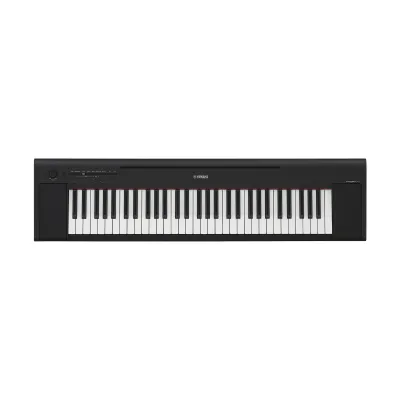
![Yamaha NP-15 Portable Keyboard Piano 61-Key Black/White Piaggero Digital Musical Instrument NP15 [LIMITED STOCK]](https://img.lazcdn.com/g/p/aff5a2a6d544d118d346871a4153a7e2.jpg_400x400q80.jpg_.webp)
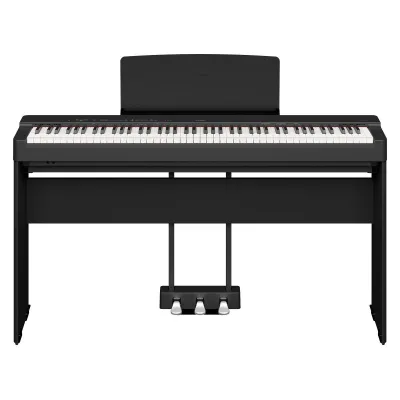
![Yamaha P-143BT Portable Digital Piano 88 Weighted Keys Bluetooth Beginners Instrument P143 P-143 [LIMITED STOCK]](https://img.lazcdn.com/g/p/5db2ada92dc8a33ee8382f610822149b.jpg_400x400q80.jpg_.webp)
Prices are valid at publication and may change. Please refer to the product page for the latest price.
In contrast, digital pianos are built to replicate the physical feel and acoustic properties of a traditional piano. These instruments feature a heavier chassis and fully weighted, hammer-action keys that mimic the resistance of physical hammers striking strings. The primary focus of a digital piano is to deliver an authentic grand piano sound and a realistic tactile response. This makes them the preferred choice for classical music students, serious learners, and anyone looking to build proper finger strength and expressive playing techniques.
To decide which path is right for you, consider your primary musical interests. If you aspire to play traditional classical pieces, sit for graded piano examinations, or transition to an acoustic piano in the future, a digital piano is necessary to build the correct muscle memory. If you are more interested in modern pop music, music production, composing, or simply playing recreationally with backing tracks, a portable arranger keyboard will provide the creative tools and variety you need.
Key Features to Look for in a Beginner Yamaha Keyboard
Understanding technical specifications will help you navigate product descriptions and make an informed decision when purchasing your first keyboard.

Key Count Keyboards typically come in three standard sizes: 61 keys, 76 keys, and 88 keys. A 61-key keyboard covers five octaves, which is sufficient for basic melodies, chords, and introductory lessons, making it a highly portable and budget-friendly starting point. A 76-key keyboard provides a middle ground, offering six octaves that allow you to play a wider range of modern arrangements without the physical footprint of a full-sized instrument. An 88-key keyboard represents the full standard range of an acoustic piano, which is essential for classical repertoire and advanced two-handed playing.
Touch Sensitivity vs. Weighted Action Touch sensitivity, also known as touch response, is the absolute minimum requirement for any beginner keyboard. This feature ensures that the volume of the sound changes based on how hard or soft you press the keys, allowing for basic musical expression and dynamics. Weighted action goes a step further by introducing mechanical resistance. Yamaha’s weighted keyboards utilize advanced keybeds, such as Graded Hammer Compact (GHC) or Graded Hammer Standard (GHS), which mimic an acoustic piano by making the lower keys feel heavier and the higher keys feel lighter. This physical resistance is crucial for developing hand posture and finger strength.
Built-in Learning Tools Many beginner-friendly Yamaha keyboards feature built-in educational suites and lesson modes designed to support independent practice. These tools often include step-by-step lessons that break down songs into left-hand and right-hand parts, waiting for you to play the correct note before advancing the music. Interactive chord dictionaries and on-screen notation guides help beginners learn to read music and understand chord structures without needing constant supervision from an instructor.
Connectivity Modern learning often relies on digital integration, making connectivity ports an important consideration. A USB to Host port is essential for connecting your keyboard to a computer, tablet, or smartphone, allowing you to interface with interactive learning software, digital audio workstations (DAWs), or sheet music apps. Some advanced beginner models also feature Bluetooth capabilities, which allow you to stream audio wirelessly through the keyboard’s speakers or transmit wireless MIDI data to educational apps.
Recommended Yamaha Keyboard Series for Beginners
Yamaha organizes its keyboard lineup into distinct series, each tailored to specific player needs, budgets, and learning environments.
Yamaha PSR Series (Portable Arranger Keyboards)
The Yamaha PSR Series, particularly the entry-to-mid-level E-series, is designed for beginners who value musical variety, creativity, and interactive learning features. Models in this range typically feature 61 touch-sensitive keys and are packed with hundreds of realistic instrument voices, ranging from grand pianos and electric keyboards to brass, strings, and synthesizers. The standout feature of the PSR-E line is its auto-accompaniment system, which provides real-time backing bands across a wide range of musical genres based on the chords you play with your left hand.
These keyboards are highly portable, lightweight, and can be powered by batteries, making them easy to move around the home or take to casual gatherings. They also include built-in lesson functions that guide beginners through basic songs and exercises. However, a key limitation of the PSR-E series is that the keys are unweighted (synth-action), meaning they do not offer the physical resistance required for classical piano training. For beginners looking for a fun, versatile, and budget-friendly instrument to explore music, the PSR-E series is an excellent starting point, but players should check authorized music retailers to verify the latest available models and included accessories.
Yamaha Piaggero Series (Slim, Piano-Focused Keyboards)
The Yamaha Piaggero NP Series is designed for beginners who want a simple, elegant, and space-saving instrument focused primarily on acoustic piano performance. Featuring a slim profile and a minimalist control panel, these keyboards eliminate the complex menus and hundreds of buttons found on arranger keyboards, focusing instead on delivering high-quality piano samples and a clean aesthetic. The Piaggero series is available in both 61-key and 76-key configurations, making it highly adaptable to different living spaces.
This series is particularly well-suited for small apartments, HDB flats, or study rooms in Singapore where floor space is limited. The keys utilize Yamaha’s Graded Soft Touch (GST) action, which provides a slightly firmer response than standard synth-action keys while remaining lightweight and easy to play. The main limitation of the Piaggero series is its lack of advanced arranger features, deep sound editing, and robust built-in lesson suites. It is best suited for beginners who want a modern, aesthetic setup focused on learning basic piano pieces without the weight and cost of a fully weighted digital piano.
Yamaha P Series (Entry-Level Digital Pianos)
For beginners who are fully committed to learning traditional piano technique, the Yamaha P Series is the recommended standard. These 88-key digital pianos are designed to replicate the touch, tone, and feel of an acoustic grand piano as closely as possible. They feature fully weighted keybeds utilizing Yamaha’s Graded Hammer Compact (GHC) or Graded Hammer Standard (GHS) technology, ensuring that the keys have the correct physical resistance to build finger strength, dexterity, and proper hand posture.
The P Series focuses on delivering highly detailed acoustic piano samples, often recorded from Yamaha’s world-class concert grand pianos, resulting in a rich, expressive sound. These instruments are compatible with Yamaha’s Smart Pianist app, which allows you to control voices, layers, and metronome settings directly from your tablet. The trade-off is that these digital pianos are heavier, typically weighing over 11 kilograms, and require a dedicated, sturdy stand and bench. While they represent a larger initial financial and space investment, they are the best long-term choice for students taking formal piano lessons or preparing for graded music examinations.
Buying and Setup Considerations in Singapore
Setting up your first keyboard correctly in Singapore involves several practical considerations, from sourcing the instrument to ensuring electrical safety and ergonomic comfort.
Authorized Dealers When purchasing a Yamaha keyboard in Singapore, it is highly recommended to buy from official showrooms or authorized local music retailers. Purchasing through authorized channels guarantees that your instrument comes with a valid local warranty (typically 12 months) and access to official service centers for repairs or technical support. Buying from unauthorized online sellers or importing grey-market models can leave you without warranty coverage, and finding replacement parts or local repair services can be difficult and costly.
Power and Voltage Singapore’s electrical system operates on a 230V standard at 50Hz, utilizing Type G three-pin plugs. Before operating your new keyboard, verify that the included power adapter is safety-certified for the local market and supports this voltage standard. If you are purchasing an international model online, avoid using uncertified travel adapters or mismatched power supplies, as incorrect voltage can damage the keyboard’s internal circuitry, void the manufacturer’s warranty, and present an electrical safety hazard. Always refer to the manufacturer’s user manual to confirm the exact power requirements for your specific model.
Essential Accessories To ensure a safe and comfortable playing environment, several accessories are essential for your setup. A sturdy keyboard stand, such as a double-braced X-stand or a dedicated wooden stand, is necessary to support the weight of the instrument and prevent it from tipping over. An adjustable keyboard bench is equally important, as it allows you to sit at the correct height, keeping your elbows at a 90-degree angle and your wrists relaxed to prevent strain during long practice sessions. Finally, a high-quality sustain pedal is recommended to let you sustain notes smoothly, which is essential for expressive playing as you progress beyond basic exercises.
Frequently Asked Questions (FAQ)
Do I need an 88-key keyboard to start learning?
While a full 88-key keyboard is the ideal standard, you do not strictly need one to begin your musical journey. A 61-key keyboard is perfectly adequate for the first year of learning, as it covers the range required for basic exercises, simple chords, and introductory pop melodies. However, as your skills progress and you begin to study classical repertoire or two-handed arrangements that span several octaves, you will run out of keys on a smaller instrument. If you plan to take formal piano lessons or sit for graded exams, investing in an 88-key weighted keyboard from the start will save you the cost of upgrading later.
Can I use my Yamaha keyboard with online lesson apps?
Yes, most modern Yamaha keyboards can be easily connected to online lesson apps and educational software. If your keyboard features a USB to Host port, you can connect it to an iPad, tablet, smartphone, or computer using a standard USB cable and the appropriate adapter (such as a USB-C or Lightning adapter). This connection allows learning apps to detect the notes you play in real-time, providing instant feedback on your accuracy and timing. Before purchasing, check the specific model’s product manual to confirm compatibility with your device’s operating system and to verify if any specific drivers are required.
Is it okay to buy a used Yamaha keyboard for a beginner?
Buying a pre-owned Yamaha keyboard can be a cost-effective option, as these instruments are generally built to last, but you must inspect the gear thoroughly before purchasing. When evaluating a used keyboard, plug it in and test every single key individually to ensure it plays at the correct volume and does not stick, wobble, or make mechanical clicking noises. Test the touch sensitivity by playing keys both softly and firmly, and verify that all buttons, sliders, the LCD screen, and the headphone jack function perfectly. Ensure the seller includes the original, safety-certified power adapter, and keep in mind that second-hand purchases do not come with a manufacturer’s warranty, meaning you assume the risk for any hidden internal damage.
Community discussion
Share your experience or ask a question. Comments are reviewed before publication.