
Choosing your very first musical instrument can feel overwhelming, but starting with a trusted manufacturer simplifies the decision significantly. For complete beginners, the ideal starter instrument must balance playability, structural durability, and affordability. A ukulele yamaha model is widely regarded as one of the most reliable entry points into stringed instruments because of the brand’s stringent manufacturing standards. Whether you are looking for a traditional four-string soprano sound or a unique six-string hybrid that combines the compact size of a ukulele with the chord structures of a guitar, understanding the physical specifications of these models will help you make an informed purchase.
To choose the best model, you must evaluate your physical comfort, your musical goals, and the environment in which you will play and store the instrument. Yamaha offers distinct options that cater to different beginner needs, ranging from highly portable travel hybrids to traditional scales. By focusing on build consistency, neck profiles, and local setup services, you can ensure your first musical investment remains a joy to play for years to come.
Why Yamaha Is a Reliable Choice for Beginners
When learning a new instrument, the quality of your gear directly impacts your progress. A poorly constructed instrument that goes out of tune constantly or has uneven frets will frustrate a beginner, often leading them to abandon their learning journey prematurely. Yamaha has built a global reputation for exceptional quality control, ensuring that even their entry-level instruments meet strict structural standards before leaving the factory. This means you are highly unlikely to encounter common budget-instrument defects such as warped necks, sharp fret wires, or misaligned bridges.
Products mentioned in this guide
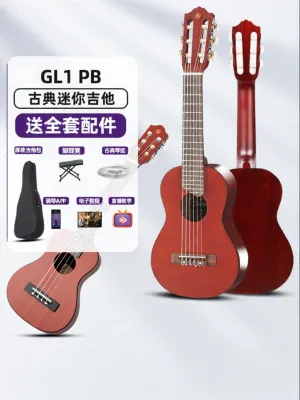
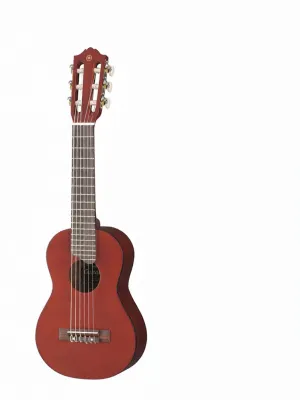
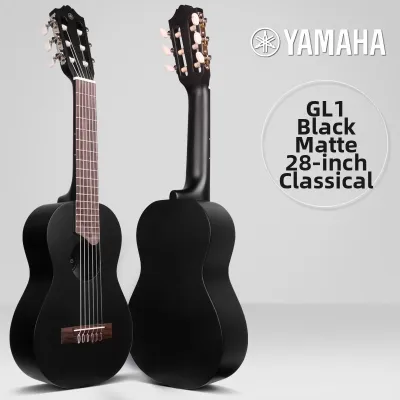
![Yamaha GL1 Guitalele 6 Nylon Strings Ukulele 27 Inch Beginner Series [LIMITED STOCK]](https://img.lazcdn.com/g/p/28aa094216024ea1400048b45a1bd8ee.jpg_400x400q80.jpg_.webp)
Prices are valid at publication and may change. Please refer to the product page for the latest price.
Tuning stability is another critical factor for those just starting out. Cheap instruments often utilize friction pegs that slip easily, causing the strings to lose pitch after only a few strums. Yamaha instruments feature robust geared machine heads, which provide precise control over tuning and hold the strings securely in place. While new nylon strings naturally stretch and require frequent adjustment during the first few weeks of play, reliable geared tuners ensure that once the strings settle, the instrument maintains its pitch through extended practice sessions.
Additionally, beginner instruments are subjected to frequent handling, accidental bumps, and environmental shifts. Yamaha addresses this by applying durable polyurethane finishes and utilizing high-quality laminate woods that resist cracking and warping. This robust construction is particularly valuable for players who want a low-maintenance instrument that can handle daily practice, travel, and the natural wear and tear of a learning environment without sacrificing tonal quality.
Soprano vs. Concert: Finding Your Ideal Ukulele Yamaha Size and Series
Choosing the right size is the most important physical decision you will make when purchasing your first ukulele yamaha model. The two primary sizes most beginners consider are soprano and concert, each offering distinct advantages in terms of physical comfort, fret spacing, and tonal projection.

The soprano size, represented in Yamaha’s lineup by compact configurations and their popular GL series hybrid (the GL1 guitalele), offers a highly portable footprint and a bright, traditional acoustic tone. The GL1 is a unique 6-string hybrid instrument that features a soprano-sized body but is strung and tuned like a standard guitar transposed up a fourth (A-D-G-C-E-A). This makes it an exceptional choice for younger players, frequent travelers, or guitarists who want a highly portable travel instrument without learning entirely new chord shapes. The compact body of a soprano instrument is easy to hold, making it physically accessible for children and individuals with smaller hands.
In contrast, a concert-sized instrument features a slightly larger body, a longer neck scale, and wider fret spacing. This design produces a warmer, deeper, and more resonant tonal profile with increased volume. For adults and players with larger fingers, the extra space between frets on a concert model makes it significantly easier to press down clean chords without accidentally muting adjacent strings. The larger body also provides more physical surface area to grip against your torso, which can make holding the instrument more comfortable during standing play.
To help you decide which configuration matches your physical attributes and musical goals, consider the following decision matrix:
| Instrument Type / Series | Scale Length | Number of Strings | Primary Tonal Character | Best Suited For | Portability Level |
|---|---|---|---|---|---|
| Soprano / GL Series Hybrid | Short (Approx. 433mm) | 6 Strings (Guitar Tuning) | Bright, crisp, and punchy | Children, travelers, and guitarists transitioning to a smaller frame | Extremely High (Fits in small backpacks) |
| Concert / Standard Scale | Medium (Approx. 380mm) | 4 Strings (Standard Ukulele) | Warm, resonant, and balanced | Adults, players with larger hands, and traditional ukulele learners | High (Requires standard gig bag) |
When selecting between these options, prioritize physical comfort over aesthetics. If possible, hold both sizes in a playing position to feel how your fingers fit within the frets. If you find your fingers crowding each other when forming basic chords like G or C on a soprano scale, stepping up to a concert size will immediately improve your playing experience.
Materials and Build: What to Look for in a Beginner Model
Understanding the materials used in your instrument’s construction will help you set realistic expectations for its tone, durability, and maintenance requirements. Most beginner-friendly instruments utilize either laminate wood or High-Pressure Laminate (HPL) rather than solid wood. Laminate construction involves layering thin sheets of wood with adhesive, which makes the body incredibly strong and highly resistant to changes in temperature and humidity. While solid wood tops offer superior tonal resonance and mature in sound over time, they are highly sensitive to dry air and moisture, requiring careful environmental control to prevent cracking. For a complete beginner, a high-quality laminate body provides the perfect balance of durability, consistent acoustic projection, and worry-free maintenance.
Beyond the body materials, playability factors such as string action and neck profile are crucial for preventing hand fatigue. “Action” refers to the height of the strings above the fretboard. If the action is too high, you must press down excessively hard to produce a clean note, which leads to sore fingertips and hand cramping. A well-designed neck profile, such as the comfortable, shallow C-shape profiles found on Yamaha models, fits naturally into the curve of your hand, allowing you to maintain proper wrist alignment while learning complex chord transitions.
Before finalizing your purchase, perform a quick physical and visual hardware check on the specific instrument you plan to take home:
- Fret Edges: Run your hand gently up and down the sides of the neck to ensure the metal fret wires do not protrude or feel sharp.
- Tuning Pegs: Turn each tuner to verify that the gears rotate smoothly without catching, slipping, or feeling excessively loose.
- Bridge and Nut: Inspect the areas where the strings contact the body and headstock to ensure there are no cracks, gaps, or loose glue lines.
- Saddle Stability: Ensure the saddle is seated firmly in the bridge slot and does not lean forward under string tension.
Buying Safely: Authenticity, Setup, and Local Support in Singapore
Purchasing your instrument from the right source is just as important as choosing the right model. To ensure you receive a genuine product backed by a valid manufacturer warranty, always buy from authorized retailers or established local music stores in Singapore rather than unverified third-party sellers on online marketplaces. Unauthorized listings often feature counterfeit goods, factory seconds, or instruments that have been stored in poor environmental conditions, which can lead to structural damage before you even open the box.
When buying your instrument, verify its authenticity by checking for the official warranty card, a clear serial number printed inside the soundhole or on the back of the headstock, and original brand packaging. In Singapore, authorized distributors provide local warranty coverage that protects you against manufacturing defects, giving you peace of mind and access to professional repair services if any issues arise.
Even a high-quality instrument from a top manufacturer can benefit from a professional setup. Factory setups are designed to be safe averages that accommodate global shipping and varying climates, meaning the string action might be slightly higher than ideal when first unboxed. Before you start playing, ask a technician at your local music shop to inspect the nut and saddle heights. Having a professional make minor adjustments to lower the string action can dramatically improve playability, making it much easier for your fingers to press down chords during your first few weeks of practice.
Frequently Asked Questions (FAQ)
Do I need to change the strings on a new Yamaha ukulele?
The factory strings installed on a new Yamaha instrument are generally of good quality and are perfectly adequate for your initial learning phase. However, you should expect new nylon or fluorocarbon strings to stretch significantly during their first two to three weeks of use, requiring you to retune the instrument frequently before each practice session. You do not need to upgrade or replace these strings immediately unless they show visible signs of wear, such as fraying or deep grooves over the frets. Once you have mastered the basic chords and developed a specific tonal preference, you might consider upgrading to premium aftermarket strings to achieve a warmer or brighter sound.
Is a soprano or concert ukulele better for small hands?
The soprano size is typically the most comfortable and manageable option for individuals with small hands, as well as younger children. Because of its shorter scale length, the frets are positioned closer together, which minimizes the physical stretch required to transition between chord shapes. The overall lighter weight and smaller body dimensions of a soprano instrument also make it much easier for smaller players to hold securely against their body while strumming. However, if you plan to share the instrument with family members of varying hand sizes, a concert model remains a highly versatile middle ground.
How should I store my ukulele in Singapore's humid climate?
Singapore’s tropical climate features consistently high relative humidity levels, which can cause wood to swell, glue joints to soften, and metal hardware to corrode over time. To protect your instrument, always store it inside a padded gig bag or a hard-shell case when you are not playing it, as this creates a protective microclimate that slows down rapid humidity fluctuations. Keep the case stored in a cool room away from direct sunlight, air conditioning vents, and damp walls. Placing a few small silica gel packets inside the accessory compartment of your case will help absorb excess moisture, but remember to inspect the instrument periodically for any signs of wood warping, finish bubbling, or loose bridge seams.
Community discussion
Share your experience or ask a question. Comments are reviewed before publication.