
Selecting the right sheet music organizer is a critical decision that directly impacts your performance flow, practice efficiency, and stage presence. The ideal format depends on your instrument, how you prefer to turn pages, and the environments where you perform most. While classical orchestral players often require rapid, glare-free manual page turns, gigging contemporary musicians frequently benefit from the hands-free convenience of digital tablet folders. Students and educators, on the other hand, usually prioritize the durability and high capacity of traditional ring binders. By understanding the distinct advantages of binders, portfolios, and tablet folders, you can choose an organizer that integrates seamlessly into your playing style.
Core Formats Explained: Binders, Portfolios, and Tablet Folders
Ring binders are the traditional workhorses of music organization, utilizing a multi-ring system to hold loose-leaf, hole-punched sheets or plastic pocket sleeves. They excel in capacity, allowing you to compile entire concert programs, method books, and warm-up exercises in a single volume. Modern music binders often feature specialized write-on sleeves that hold the paper along the top and bottom margins, leaving the center exposed so you can make quick pencil annotations during rehearsals without removing the sheet.
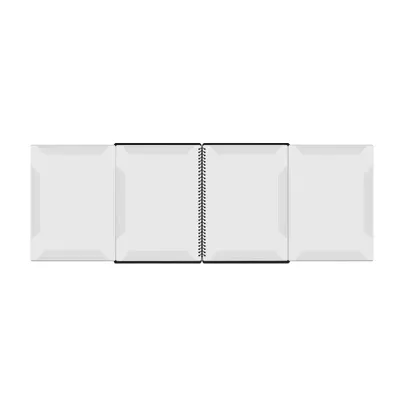
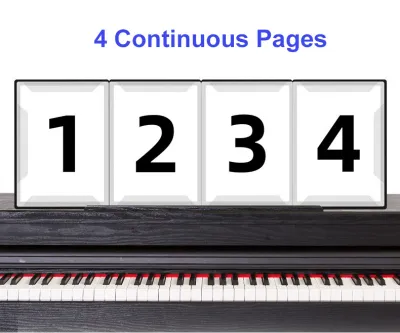
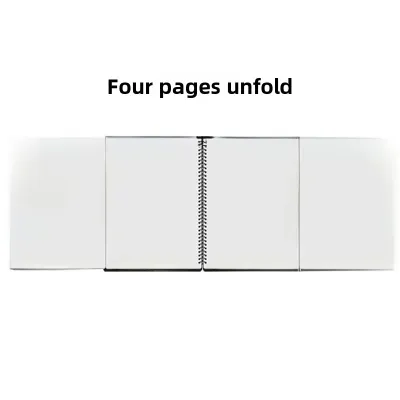
Portfolios are designed for musicians who prefer to keep their sheet music flat, unpunched, and instantly accessible. These folders typically feature internal corner pockets, elastic bands, or horizontal retaining strips that secure loose sheets without damaging the edges. Many professional portfolios are designed to fold out into three-panel or four-panel spreads, allowing you to view multiple pages of a piece simultaneously and significantly reducing the frequency of physical page turns during a performance.
Products mentioned in this guide
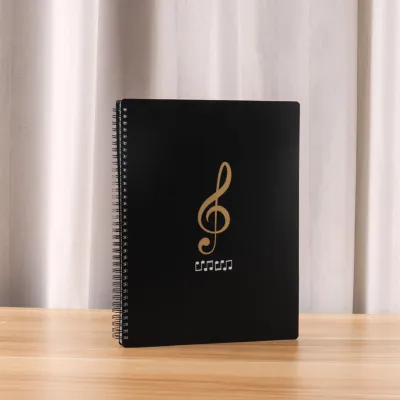
Prices are valid at publication and may change. Please refer to the product page for the latest price.
Tablet folders represent the modern, digital evolution of music organization, designed specifically to house electronic tablets securely on a music stand. These folders combine the classic aesthetic of a leather or fabric folio with integrated mounting straps, stylus holders, and structural support for digital devices. They are built to facilitate seamless integration with Bluetooth page-turning foot pedals, transforming your digital library into a hands-free, highly portable performance setup.
Key Decision Factors for Your Playing Environment
Page-turning mechanics are the most critical factor when evaluating these formats. Manual page turns require physical tabs, loose margins, or fold-out panels that you can grab quickly without interrupting your playing. If your instrument requires both hands constantly—such as the piano, organ, or harp—a tablet folder paired with a Bluetooth pedal offers a hands-free solution that eliminates the risk of a missed turn. Conversely, wind and string players who have brief rests built into their parts often prefer the tactile reliability of physical paper in a portfolio or binder.

Portability, weight, and the physical footprint on your music stand must also be carefully balanced. A heavy, overstuffed ring binder can easily destabilize a lightweight, folding wire music stand, causing it to tip over mid-performance. Portfolios offer a slim, lightweight profile that fits easily into instrument cases, but their wide fold-out panels require a sturdy, solid-back music stand to prevent sagging. Tablet folders are highly compact but add significant weight due to the device itself, requiring a robust stand with a deep, secure lip.
Environmental protection is another vital consideration, especially for musicians who perform outdoors or under intense stage lighting. Standard plastic sheet protectors in ring binders reflect overhead lights, creating a blinding glare that can obscure your notes; choosing matte-finish or margin-only sleeves is essential to combat this. For outdoor gigs, wind can easily blow loose sheets out of a portfolio, making secure elastic bands or weighted page holders necessary, whereas a digital tablet folder remains completely unaffected by wind but requires careful management of screen brightness under direct sunlight.
Quick Comparison: Binders, Portfolios, and Tablet Folders
To help you quickly identify the best option for your setup, the following table compares how each format performs across key operational dimensions:
| Format | Page-Turning Ease | Capacity | Stage Footprint | Ideal User |
|---|---|---|---|---|
| Ring Binder | Moderate (requires turning sleeves) | High (100+ pages) | Medium to Large | Students, educators, and choral singers |
| Portfolio | Excellent (fold-out panels) | Moderate (20–40 pages) | Large (when unfolded) | Orchestral and chamber musicians |
| Tablet Folder | Superior (hands-free pedal) | Infinite (digital storage) | Small and compact | Gigging musicians and soloists |
Each format involves distinct trade-offs that you must weigh against your performance needs. Physical paper in binders and portfolios never runs out of battery, requires no software updates, and is completely immune to technical glitches on stage. However, carrying multiple heavy books to a gig is physically demanding. Digital tablet folders offer infinite storage in a single, lightweight device, but they introduce the need for regular charging, software compatibility checks, and a reliable backup plan in case of hardware failure.
Matching the Organizer to Your Instrument and Gig Type
Orchestral and chamber musicians generally find their perfect match in professional portfolios or specialized music binders. In these ensemble settings, music stands are shared, and page turns must be completely silent to avoid distracting the audience or interfering with sensitive microphone setups. Portfolios with matte, non-glare sleeves or fold-out panels allow players to see entire movements at once, minimizing physical movement. Furthermore, the ability to quickly jot down bowing changes, breath marks, or dynamic adjustments with a pencil is highly valued in rehearsals, making write-on paper systems the preferred choice.
For gigging, commercial, and contemporary musicians, tablet folders paired with Bluetooth pedals are rapidly becoming the industry standard. If you perform in wedding bands, theater pits, or jazz ensembles, your setlists can change on the fly, requiring instant access to hundreds of charts. A tablet folder allows you to organize your digital library into custom playlists, search for songs instantly, and read music clearly on dark stages without the need for clip-on stand lights. The hands-free pedal integration ensures you never have to take your hands off your instrument during a critical passage.
For students, music educators, and daily home practice, standard binders offer a highly practical and durable solution. A high-quality binder allows students to organize weekly assignments, scale sheets, and technical exercises in chronological order. Because student repertoire changes frequently, the ability to easily add, remove, and rearrange pages using standard hole punches is incredibly practical. These binders are built to withstand the wear and tear of being stuffed into school backpacks, making them a highly resilient and budget-friendly option for daily use.
Essential Checks Before You Buy
Before purchasing any sheet music organizer, you must verify that its physical dimensions are compatible with your music stand. Measure the depth of your stand’s bottom lip; a thick, heavy ring binder or a tablet folder with a rugged protective case may require a lip depth of at least 2.5 cm to sit securely without slipping off. Additionally, ensure the height of the folder does not block your line of sight to the conductor or the audience when placed on the stand.
If you decide on a tablet folder, double-check its compatibility with your specific tablet model and any existing protective case. Some folders use elastic corner straps that can press against power or volume buttons, while others use rigid plastic shells that only fit specific device generations. Ensure that the folder allows easy access to the charging port and does not block the camera if you use scanning apps to digitize physical sheet music.
Finally, inspect the build quality of the hardware components to ensure long-term durability. For binders, look for heavy-duty D-ring mechanisms rather than standard round O-rings, as D-rings allow pages to lie completely flat and prevent the inner margins of your music from curling or tearing. For portfolios, examine the stitching around elastic bands and the quality of the zippers or snaps; robust closures are essential to prevent loose, unpunched sheets from sliding out during transit.
Frequently Asked Questions (FAQ)
Can I use a standard office binder for sheet music?
While you can use a standard office binder, it is generally not recommended for serious practice or performance. Standard office binders typically use round O-rings, which cause the pages to bunch up and curl near the spine, often obscuring key signatures or annotations on the inner margins. Additionally, standard office binders lack the non-glare, write-on sleeves found in specialized music binders, meaning you will have to constantly slide your music out of the plastic pockets to make pencil notes during rehearsals.
Do tablet folders work with all Bluetooth page-turning pedals?
A tablet folder itself is a physical housing and does not have any electronic components to pair with a pedal. The compatibility depends entirely on the connection between your digital tablet, your sheet music reader application, and the Bluetooth pedal. Before purchasing, you must verify that your preferred sheet music app supports the specific wireless protocols used by your page-turning pedal, as the folder simply holds the device in place while the software handles the pedal inputs.
How do I keep loose sheets from falling out of a portfolio?
To keep loose, unpunched sheets secure during transit, look for portfolios that feature secure closure mechanisms such as heavy-duty zippers, snap buttons, or thick elastic bands. Internally, high-quality portfolios utilize deep corner pockets, bottom gussets, or clear horizontal retaining strips that grip the edges of the paper. These design elements prevent your music from sliding out when the folder is carried vertically or packed inside an instrument case.
Community discussion
Share your experience or ask a question. Comments are reviewed before publication.