
Yes, physical media remains highly relevant for drama film enthusiasts, but the decision depends heavily on your appreciation for subtle cinematic details, your desire for permanent ownership, and the capabilities of your home entertainment setup. While streaming offers unmatched convenience, physical Blu-ray discs provide superior, uncompressed presentation that preserves the artistic intent of character-driven dramas.
In Singapore, where high-speed fiber broadband is ubiquitous, streaming a movie is incredibly easy. However, drama films rely heavily on atmosphere, delicate lighting, quiet dialogue, and emotional nuance. For viewers who want to experience these films exactly as the director intended, physical media offers technical and practical advantages that digital streams cannot match.
Visual and Audio Fidelity: Spotting the Difference in Dramas
Drama films might not have the explosive special effects of action blockbusters, but they demand exceptional visual and audio precision. The primary technical difference lies in the bitrate, which is the amount of data processed per second. Streaming platforms compress video files significantly to ensure smooth playback over internet connections, whereas Blu-ray and 4K Ultra HD (UHD) discs deliver much higher, stable bitrates.
Products mentioned in this guide



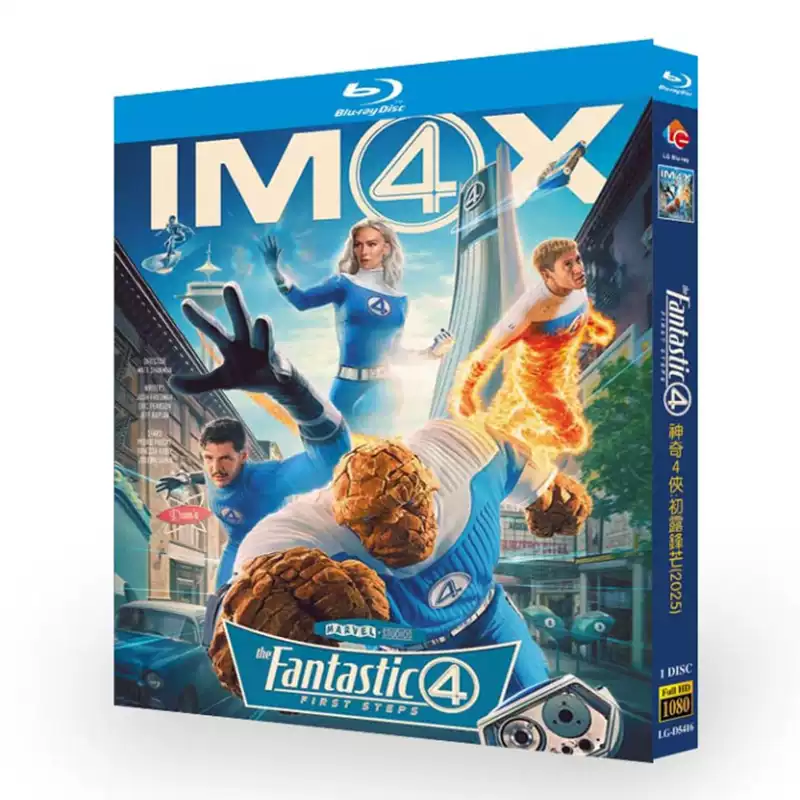
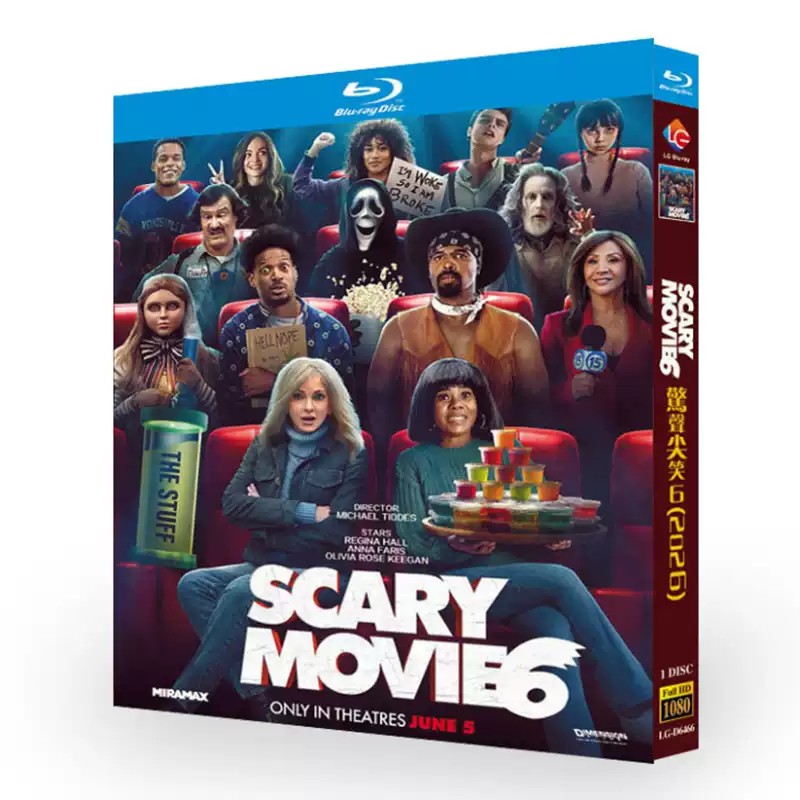
Prices are valid at publication and may change. Please refer to the product page for the latest price.
While a typical 4K stream from a popular service might run at a bitrate of 15 to 25 Megabits per second (Mbps), a 4K UHD Blu-ray disc can deliver bitrates ranging from 50 to over 100 Mbps. This massive difference in data transfer directly translates to image stability and detail.
This compression on streaming services often manifests in dark scenes, which are common in moody, atmospheric dramas. You might notice blocky artifacts, color banding, or a muddy appearance in deep shadows. On a physical disc, the high bitrate preserves the natural film grain, subtle gradations of shadow, and delicate lighting, maintaining the cinematic texture of the film.
Furthermore, physical discs support superior color depth. While streaming often uses compressed 8-bit color, Blu-ray and 4K UHD discs support 10-bit or even 12-bit color depth. This allows for over a billion possible colors, eliminating the visible banding in skies or shadows and preserving the precise color grading chosen by the cinematographer to convey mood and emotion.
Audio fidelity is equally critical for character-driven stories where whisper-quiet dialogue and subtle ambient soundscapes build tension. Streaming services typically use compressed audio formats like Dolby Digital Plus. In contrast, Blu-ray discs offer lossless audio formats such as DTS-HD Master Audio or Dolby TrueHD.
These lossless formats ensure that every spoken word remains crisp and intelligible, even when actors speak in low tones or hushed whispers. The subtle rustle of clothing, distant rain, or a delicate musical score are rendered with distinct clarity, creating a more immersive and emotionally resonant viewing experience.
To benefit from these advantages, you must verify that your home entertainment equipment can resolve them. Check your television’s specifications to see if it supports high dynamic range (HDR) formats like Dolby Vision or HDR10+, which enhance contrast in dark scenes. Similarly, review your audio setup to ensure your soundbar or AV receiver can decode lossless audio formats rather than downmixing them to standard stereo.
Bonus Features and the Value of Permanent Ownership
For true cinephiles, a film is often more than just a two-hour viewing experience; it is an art form to be studied and appreciated. Physical Blu-ray releases frequently include extensive bonus features that are rarely found on streaming platforms. These supplements can include full-length director commentaries, in-depth making-of documentaries, deleted scenes, and cast interviews.

These features offer invaluable context on the screenwriting, acting choices, and cinematography of your favorite dramas. While some streaming services occasionally offer basic promotional featurettes, they seldom match the archival depth of a dedicated physical release.
There is also a distinct tactile and collectible appeal to physical media. Many boutique labels release special editions of classic and contemporary dramas featuring custom artwork, booklet essays, and premium packaging. For passionate collectors, displaying these curated editions on a shelf is a satisfying way to showcase their love for cinema.
Beyond the physical aesthetic, owning a disc provides absolute control over your library. Digital licensing agreements are constantly changing, meaning films frequently rotate off streaming platforms without warning. A drama you love today might be unavailable tomorrow due to regional licensing shifts or platform restructuring.
When you purchase a physical disc, you secure permanent access to that specific transfer of the film. You do not have to worry about internet outages, platform shutdowns, or the silent alteration of content. Your favorite films remain accessible on your shelf, ready to be watched whenever you choose.
Costs, Equipment, and Everyday Convenience
Transitioning to or maintaining a physical media collection involves practical trade-offs, particularly regarding cost and convenience. The most immediate consideration is the upfront investment in hardware. While most modern households already have a smart TV or a streaming stick, playing physical discs requires a dedicated Blu-ray or 4K UHD player.
These players represent an added expense, though certain modern gaming consoles can serve as capable disc players, which might offset the initial hardware cost if you already own one.
Ongoing costs also differ significantly. A monthly subscription to a streaming service grants access to thousands of titles for a flat fee, whereas purchasing individual Blu-ray discs can become expensive over time. New releases and imported boutique editions of classic dramas can cost anywhere from S$20 to S$50 or more per title.
Availability is another factor to weigh. While major blockbusters are widely distributed, finding niche, independent, or classic foreign dramas on physical formats in Singapore may require ordering from specialized online retailers or international marketplaces. This can add shipping fees and waiting times to your purchases.
Additionally, standard Blu-ray discs are often subject to region coding (Regions A, B, or C), meaning you must verify that your player is compatible with the region of the imported disc. Fortunately, 4K UHD Blu-ray discs are standard-compliant region-free, making them much easier to import and play on any 4K player.
Physical storage is a highly relevant consideration, especially in Singapore where residential space is often at a premium. A growing collection of plastic cases requires dedicated shelf space, which can quickly clutter a compact living room. You must decide if you are willing to allocate physical space to store your movies, or consider space-saving storage sleeves if aesthetics are secondary.
Finally, physical media lacks the instant gratification of streaming. You must physically retrieve the disc, insert it into the player, and navigate menus before the movie starts. For casual viewing, the sheer convenience of browsing a streaming app on your phone or TV remains hard to beat.
How to Decide: Blu-ray vs. Streaming for Your Setup
Deciding between Blu-ray and streaming comes down to your personal viewing habits, budget, and how much you value the technical details of filmmaking. Neither format is universally superior; instead, each serves different priorities and lifestyles.
You should choose Blu-ray if you want the absolute best visual and audio presentation possible for your favorite drama films. If you appreciate the nuance of film grain, want to hear every whisper clearly, enjoy diving into director commentaries, and want the security of permanent ownership, physical media is well worth the investment.
Conversely, streaming is the ideal choice if your primary priorities are convenience, low upfront costs, and a clutter-free living space. If you typically watch movies on a standard television, a tablet, or a laptop, the compressed nature of streaming video and audio will likely not detract from your enjoyment.
Before making any purchases, take a close look at your current home theater setup. Verify if your television supports 4K resolution and HDR formats, and check if your sound system can handle lossless audio formats. Investing in high-quality physical discs only makes sense if your playback equipment is capable of revealing the extra detail and depth they offer.
Frequently Asked Questions (FAQ)
Do streaming services offer the same bonus features as physical discs?
No, streaming services rarely offer the same depth of bonus features as physical discs. While some platforms include short promotional clips or trailers, physical Blu-ray releases often feature comprehensive, exclusive content. This includes full-length audio commentaries, deleted scenes, making-of documentaries, and archival interviews that provide deep insights into the film’s production.
Will my current TV show a noticeable difference between streaming and physical media?
It depends on your television’s specifications and screen size. On standard or smaller screens, the visual differences may be subtle. However, on larger displays, 4K TVs, or screens with high-quality HDR support, the higher bitrate of a Blu-ray disc becomes clearly visible. You will notice cleaner details in dark scenes, smoother color transitions, and an absence of the blocky compression artifacts common in streaming.
Are classic drama films still being released on physical media?
Yes, classic and independent drama films are actively being preserved and released on physical media. Specialized boutique labels dedicate significant resources to restoring older films from original camera negatives. These restored versions are often released on Blu-ray and 4K UHD with high-quality transfers and extensive historical booklets, offering a level of preservation that rotating streaming catalogs seldom provide.
Community discussion
Share your experience or ask a question. Comments are reviewed before publication.