
Improving your social circle and building professional networks in Singapore requires more than just a desire to connect; it demands a practical understanding of human psychology tailored to a unique multicultural environment. While many classic and contemporary non-fiction books offer frameworks for mastering conversations, the key to success lies in selecting a methodology that aligns with your personal goals and local social realities. Whether you are looking to overcome social anxiety during casual encounters at a local community hub or aiming to navigate complex corporate hierarchies in the Central Business District, the right book serves as a structured roadmap. By learning how to evaluate author credentials, categorize different communication methodologies, and adapt global advice to local cultural norms, you can transform theoretical reading into genuine, lasting relationships.
How to Evaluate Books on Social Skills and Relationship Building
Selecting an effective book on social skills begins with a close examination of the author’s background and credentials. Look for writers who possess formal training in psychology, sociology, behavioral science, or cognitive behavioral therapy, as their insights are more likely to be grounded in verified human behavior. Alternatively, authors with extensive, documented experience in professional negotiation, high-stakes diplomacy, or corporate communications can offer valuable, field-tested strategies. Checking the author’s biography and professional history helps you distinguish between qualified experts and individuals offering purely subjective advice.
It is equally important to differentiate between evidence-based approaches and purely anecdotal guides. Books grounded in scientific research often cite peer-reviewed studies, behavioral experiments, and psychological theories, providing a reliable foundation that applies across diverse groups of people. Anecdotal books, while sometimes engaging, rely heavily on the author’s personal successes, which may be difficult to replicate if your personality, industry, or cultural environment differs from theirs. Prioritizing texts that reference established psychological principles ensures you are learning techniques with a higher probability of success.
Products mentioned in this guide
Prices are valid at publication and may change. Please refer to the product page for the latest price.
Another critical factor is the balance between theoretical concepts and actionable exercises. A book that only explains the theory of empathy might leave you understanding the “why” without knowing the “how” during a real-life conversation. Look for publications that include practical exercises, step-by-step conversational scripts, self-reflection prompts, and role-playing scenarios. These interactive elements allow you to actively practice communication techniques in a structured manner before testing them in real-world social settings.
Finally, you must evaluate the cultural adaptability of the book’s advice, particularly when applying Western-centric communication frameworks to Singapore’s social landscape. Local social norms often place a high value on modesty, indirect communication, and respect for hierarchy, which can conflict with highly assertive or aggressive networking styles taught in some international bestsellers. Consider whether the book’s examples can be adjusted to fit local contexts, such as navigating the subtle boundaries of “paiseh” (social hesitation) or building rapport in a multicultural workplace. Choosing a book whose core principles can be seamlessly translated into local daily life prevents your interactions from feeling forced or culturally mismatched.
Key Categories of Social Skills Books to Consider
Social skills are not a single, uniform attribute; rather, they comprise a complex set of distinct behaviors that serve different purposes at various stages of a relationship. To find the most useful book, you must first identify your specific social bottleneck, whether that is initiating contact with strangers or maintaining deep, long-term connections. Categorizing books based on their primary focus allows you to target your reading to the exact areas where you require the most growth.

Foundational Communication and Conversation Starters
Books in this category focus on the mechanics of initial interactions, making them ideal for individuals who experience anxiety when entering unfamiliar social settings. These resources break down the fundamentals of breaking the ice, mastering casual small talk, and managing body language to project warmth and accessibility. By teaching readers how to read non-verbal cues and maintain a balanced dialogue, these texts help eliminate the fear of awkward silences during casual encounters.
For readers in Singapore, these foundational guides are highly beneficial for navigating everyday social scenarios, such as chatting with neighbors in HDB estates or interacting with colleagues in the office pantry. The focus is often on active listening and asking open-ended questions, which helps lower the barrier to entry for those who tend to be naturally reserved. Mastering these basic mechanics builds the initial confidence required to step out of your comfort zone and initiate contact in any setting.
Professional Networking and Workplace Relationships
Workplace-focused social skills books target career-oriented individuals who need to build strategic alliances, manage professional conflicts, and communicate with authority. These texts move beyond casual friendliness to explore the dynamics of influence, persuasion, and professional personal branding. They provide structured frameworks for presenting ideas clearly, negotiating mutually beneficial outcomes, and navigating complex organizational hierarchies.
In a fast-paced professional environment like Singapore’s corporate sector, these skills are essential for career advancement and effective collaboration. Books in this category help you understand how to build rapport with stakeholders from diverse cultural backgrounds and how to advocate for your ideas without causing friction. By focusing on professional diplomacy, these resources teach you how to balance assertiveness with respect, ensuring your workplace relationships remain productive and positive.
Deepening Personal Connections and Emotional Intelligence
If you find it easy to make initial acquaintances but struggle to transition those relationships into close, meaningful friendships, books on emotional intelligence and vulnerability are highly relevant. These texts explore the psychological aspects of connection, focusing on empathy, active emotional support, and the establishment of healthy personal boundaries. They guide readers through the process of sharing personal experiences safely, which is crucial for building deep trust over time.
Developing these deeper connections requires moving past surface-level topics and learning how to navigate emotional vulnerability. Books in this category help you recognize and regulate your own emotions while responding sensitively to the feelings of others. This deeper level of social competence is vital for sustaining long-term friendships and creating a supportive social network that extends beyond professional utility.
Widely Recognized Titles and Frameworks to Explore
When exploring the vast landscape of social skills literature, several foundational frameworks and widely recognized titles serve as excellent starting points for your research. Understanding the core philosophies of these classic and contemporary works can help you identify which approach aligns best with your personal learning goals.
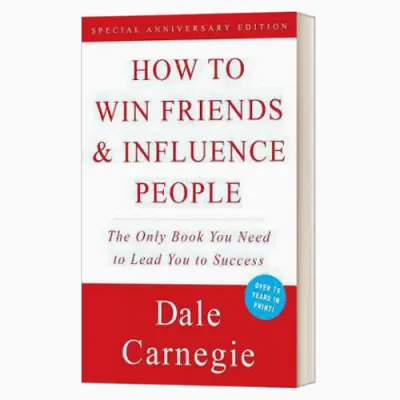
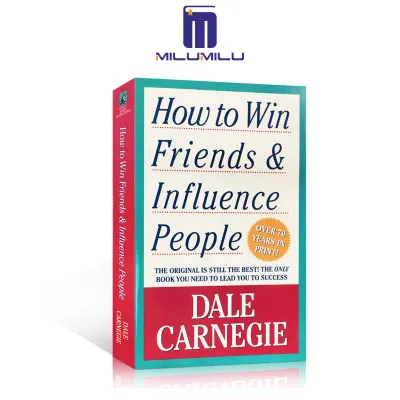
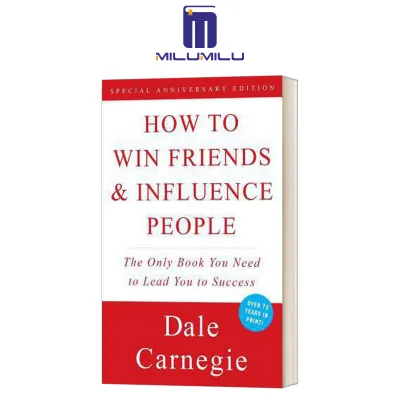
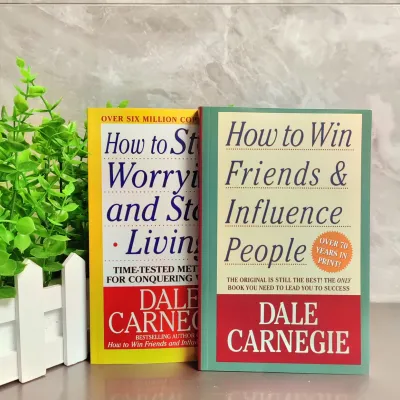
One of the most enduring frameworks in the field of human relations is centered on the principles of genuine interest and mutual respect, famously pioneered by Dale Carnegie. His classic teachings emphasize that the most effective way to win friends is to focus entirely on the other person—listening actively, remembering names, and making others feel truly valued. While written decades ago, these core concepts of humility and appreciation remain highly relevant in Singapore’s relationship-driven culture, where showing respect and building trust are fundamental to any successful interaction.
In contrast to classic relationship advice, modern tactical communication books focus heavily on the precise mechanics of conversation and behavioral psychology. These works often analyze micro-expressions, vocal tonality, and specific linguistic patterns to help readers decode social cues in real time. This analytical approach is particularly appealing to analytical minds or professionals who prefer structured, rule-based systems for understanding human behavior and managing social anxiety.
Additionally, contemporary literature on emotional intelligence and vulnerability has reshaped how we view connection, challenging the traditional, transactional approach to networking. These modern works argue that true rapport is built not through flawless performance or surface-level charm, but through the willingness to be authentic and acknowledge imperfections. This perspective is highly valuable for readers looking to build deep, resilient friendships, as it encourages moving away from superficial interactions toward more honest and empathetic communication.
As you explore these various titles and frameworks, it is highly recommended to read sample chapters or online reviews before making a purchase. Pay close attention to the author’s tone, as some readers prefer a direct, scientific style, while others respond better to conversational, narrative-driven advice. Ensuring the author’s philosophy and communication style resonate with your personal values will make the process of practicing and adopting their techniques much more natural and enjoyable.
What to Check Before Buying Non-Fiction Books in Singapore
Before purchasing any non-fiction book, it is essential to verify several product specifications to ensure you receive the correct edition and format for your needs. First, check the publication year and edition of the book, especially for titles that discuss digital communication, social media etiquette, or modern workplace dynamics. Older editions may contain outdated references to technology or social trends, whereas revised editions often include updated chapters that address contemporary communication challenges, such as remote collaboration and online networking.
Next, consider which format best aligns with your reading habits and lifestyle. Physical formats like paperbacks and hardcovers are excellent for readers who prefer to highlight key passages, write notes in the margins, and easily flip back to reference specific exercises. If you commute frequently on public transport or prefer a clutter-free living space, an e-book format offers portability and convenience, allowing you to carry an entire library on a single device. Alternatively, audiobooks are ideal for multitasking during daily commutes or workouts, though they may make it more difficult to complete written self-assessment exercises.
If you are purchasing a translated version of a book, take the time to verify the quality of the translation and the publisher’s reputation. Social psychology and communication theories rely heavily on subtle linguistic nuances, and a poor translation can obscure the author’s original meaning or make practical advice difficult to understand. Reading customer reviews or checking sample pages can help you confirm that the translation is accurate, natural, and easy to follow.
Finally, review the regional availability, shipping costs, and estimated delivery times when ordering from online marketplaces or international book retailers. While some popular titles are readily available at local brick-and-mortar bookstores in Singapore, niche or newly released publications may need to be shipped from overseas warehouses. Verify the retail price across different local platforms, as prices can vary from S$15 to S$40 depending on the format and import fees. Checking these details beforehand helps you avoid unexpected customs fees, high shipping charges, or long delivery delays, ensuring you can begin your reading journey without unnecessary frustration.
Frequently Asked Questions (FAQ)
Are audiobooks as effective as physical books for learning social skills?
Audiobooks can be highly effective for absorbing the conversational tone, pacing, and emotional delivery of communication techniques, as they allow you to hear exactly how a skilled speaker modulates their voice. This auditory format is particularly useful for learning how to project confidence and warmth through your spoken words. However, physical books or e-books are often superior when a text contains visual diagrams, structured worksheets, or written exercises that require active reflection and note-taking. For the best results, consider choosing the format based on the book’s structure: use audiobooks for narrative-driven guides on mindset, and physical copies for highly tactical, exercise-heavy manuals.
How can I practice the techniques learned from these books in real life?
The most effective way to transition from reading about social skills to applying them is to start practicing in low-stakes, everyday environments where the pressure to perform is minimal. You can test simple techniques, such as offering a genuine compliment or asking an open-ended question, during brief interactions with service staff at a local cafe, neighbors in your residential estate, or casual acquaintances at community events. Focus on mastering one specific skill at a time—such as active listening or maintaining comfortable eye contact—before attempting to combine multiple strategies. By gradually building your confidence in these low-risk settings, you will find it much easier to apply your new communication skills naturally during high-stakes professional meetings or important social gatherings.
Community discussion
Share your experience or ask a question. Comments are reviewed before publication.