
Finding a book that matches the delicate, bittersweet magic of Toshikazu Kawaguchi’s Before the Coffee Gets Cold is a quest for a very specific kind of emotional sanctuary. This beloved novel has captured the hearts of readers worldwide by blending a gentle, rules-bound time travel mechanic with deeply moving stories of human regret, love, and reconciliation. If you are looking to replicate that warm, tear-inducing, yet ultimately comforting reading experience, this guide offers a curated selection of books that share its atmospheric charm, emotional depth, and speculative wonder.
By exploring these recommendations, you can find your next literary escape, whether you prefer quiet Japanese translations, cozy community spaces, or unique speculative voices from closer to home. This guide provides a practical framework to help you choose your next read based on your current mood, emotional capacity, and structural preferences.
What Makes 'Before the Coffee Gets Cold' So Special?
To find a worthy successor to Kawaguchi’s masterpiece, it helps to understand the precise elements that make it resonate so deeply. At its core, the novel operates on a paradox: characters can travel back in time, but they cannot change the present. This melancholic rule shifts the focus entirely away from typical science-fiction plotlines—such as altering history or preventing disasters—and places it squarely on emotional resolution. The journey is not about changing what happened, but about changing how one feels about what happened, allowing characters to find closure, express unspoken love, or ask for forgiveness.
Products mentioned in this guide



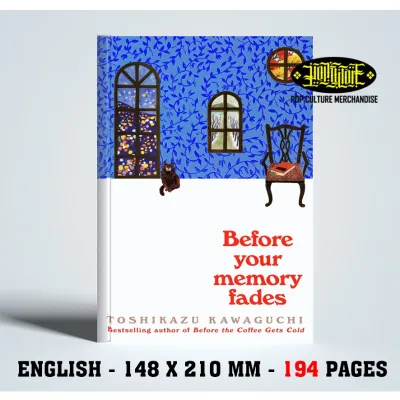

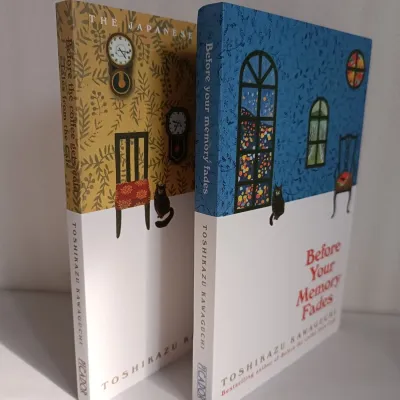


Prices are valid at publication and may change. Please refer to the product page for the latest price.
The setting plays an equally vital role in establishing this emotional safety net. The entire narrative unfolds within the subterranean, windowless walls of a single, atmospheric Tokyo café named Funiculi Funicula. This cozy, unchanging environment acts as a sanctuary from the bustling, fast-paced world outside. Within this small space, characters are stripped of external distractions, forcing them to confront their deepest vulnerabilities. The steam rising from a freshly poured cup of coffee serves as a gentle, ticking clock, grounding the magical elements in a sensory, everyday ritual.
Finally, the book’s episodic, character-driven structure makes it incredibly accessible and impactful. Rather than following a single, sprawling adventure, the novel is divided into distinct, interconnected stories. Each chapter introduces a new visitor with a unique regret, while the café’s staff and regular patrons provide a comforting, continuous thread. This structure allows the narrative to explore various facets of human relationships—from sisters drifting apart to couples facing progressive illness—ensuring that every reader finds a storyline that mirrors their own life experiences.
How to Choose Your Next Heartwarming Read
When searching for your next book in this genre, establishing a personal reading framework can help you select a title that matches your current emotional and intellectual mood. The first factor to consider is the level of speculative or magical realism you are willing to accept. Some readers prefer subtle, atmospheric magic where the supernatural elements are left unexplained and simply serve as a backdrop for daily life. Others enjoy explicit, rule-based supernatural systems where the mechanics of the magic—much like the strict rules of the café—are clearly defined and drive the characters’ choices.

Another key consideration is the narrative format, specifically the choice between episodic short story collections and continuous, single-arc novels. Episodic books, which feature self-contained chapters linked by a common setting or minor characters, offer quick bursts of emotional satisfaction and are perfect for busy readers who enjoy pausing between stories. On the other hand, a continuous, single-arc novel allows for deeper character development and a more immersive, slow-burn journey where you follow the same protagonist through a prolonged period of growth and transformation.
Lastly, you should balance the emotional weight of your next read. Heartwarming fiction exists on a wide spectrum, ranging from heavy, cathartic tearjerkers to light, low-stakes comfort reads. If you are in the mood for deep emotional processing, look for books that tackle grief, loss, and terminal illness with gentle sensitivity. If you require a literary security blanket after a stressful week, seek out slice-of-life stories that focus on quiet daily routines, warm friendships, and the simple joy of a hot beverage or a good book.
Top Picks for Time-Bending and Emotional Fiction
To help you navigate these choices, we have organized our recommendations into three distinct categories, each highlighting a different strength of Kawaguchi’s work. Whether you are drawn to the profound emotional healing of magical realism, the comforting embrace of cozy, localized settings, or the fresh perspectives of Southeast Asian speculative fiction, these selections offer a path to your next favorite story. Before purchasing, remember to verify local availability, translation editions, and formats to ensure the best reading experience.
Magical Realism with Deep Emotional Roots
For readers who want magic to serve as a direct catalyst for emotional healing, books in this category use speculative elements to explore the complexities of grief, memory, and second chances. A standout recommendation is The Phone Box at the Edge of the World by Laura Imai Messina. Set in the aftermath of a devastating natural disaster, the story centers on a disconnected phone booth in a quiet Japanese garden where visitors “speak” to lost loved ones through the wind. Like the café in Kawaguchi’s novel, the phone booth offers no physical way to change the past, yet it provides an invaluable space for processing immense grief and finding the strength to move forward.
Another exceptional choice is What You Are Looking For Is in the Library by Michiko Aoyama. This heartwarming novel features an enigmatic librarian who senses exactly what her visitors need, recommending an unexpected book alongside a small, hand-crafted felt toy. The magic here is incredibly subtle, operating on the boundary of coincidence and intuition. Each character’s life is gently redirected not by grand supernatural interventions, but by the quiet shift in perspective that a well-timed book can provide, making it a perfect match for those who appreciate the gentle, life-affirming tone of Before the Coffee Gets Cold.
Cozy Settings with a Touch of the Extraordinary
If you fell in love with the atmospheric, confined setting of Funiculi Funicula, these books offer similarly comforting environments where the location itself feels like a warm, welcoming character. Days at the Morisaki Bookshop by Satoshi Yagisawa invites readers into a cozy, second-hand bookstore in Tokyo’s Jimbocho district. While the book lacks explicit magical elements, it captures the exact same slice-of-life pacing and healing atmosphere. The story follows a young woman recovering from a broken heart who finds solace, community, and a renewed sense of purpose among towering stacks of old books and the eccentric characters who frequent the shop.
For a touch of gentle mystery and fantasy, The Miracles of the Namiya General Store by Keigo Higashino is an absolute must-read. The story revolves around an abandoned corner store where people once dropped advice-seeking letters through a mail slot, only to receive replies from the future. The narrative weaves together multiple timelines and characters across decades, creating a complex yet deeply comforting tapestry of human connection. The shop serves as a safe harbor where lost souls find guidance, highlighting how small acts of kindness can ripple through time to change lives.
Southeast Asian and Singaporean Voices in Speculative Fiction
Exploring local and regional literature reveals a rich tapestry of heartwarming storytelling that blends modern urban life with folklore, gentle magic, and deep cultural resonance. In Singapore, the intersection of rapid modernization and preserved heritage provides a fertile ground for speculative fiction that feels both familiar and extraordinary. These works often explore themes of family duty, cultural identity, and the preservation of memory, using local food and shared spaces as emotional anchors.
When looking for local speculative fiction, readers should explore anthologies and novels published by independent Singaporean presses such as Epigram Books and Ethos Books. These publishers frequently showcase stories where magical realism is used to examine local family dynamics and societal changes. For instance, stories that feature ancestral spirits offering quiet guidance in a modern HDB flat, or characters discovering hidden, magical corners within bustling urban neighborhoods, mirror the emotional intimacy of Japanese translated fiction while offering a uniquely relatable local flavor. Supporting these independent publishers not only connects you with highly original stories but also strengthens the local literary ecosystem.
Quick Comparison of Recommended Titles
To help you decide which book to pick up first, the table below summarizes the key characteristics of each recommendation category. This allows you to match your current reading preferences with the structural and emotional profile of each genre.
| Category Focus | Core Emotional Theme | Type of Speculative Element | Pacing |
|---|---|---|---|
| Magical Realism | Grief, memory, and emotional healing | Symbolic, quiet supernatural portals | Slow, reflective, and atmospheric |
| Cozy Settings | Community, self-discovery, and comfort | Subtle magic or slice-of-life realism | Gentle, character-driven, and comforting |
| Southeast Asian Speculative | Family bonds, heritage, and identity | Folklore, urban magic, and local myths | Moderate, culturally rich, and intimate |
Where to Find and Buy These Books in Singapore
Sourcing these heartwarming reads in Singapore is a straightforward and rewarding process, whether you prefer physical books, digital editions, or library loans. For mainstream translated works and international bestsellers, major physical retail chains like Books Kinokuniya offer extensive translated fiction sections where you can browse physical copies. Online book retailers also provide reliable access to various international editions and paperback formats.
To discover local and regional speculative fiction, visiting independent local bookshops is highly recommended. Establishments such as Wardah Books or the Epigram Bookshop specialize in curation that highlights Southeast Asian voices, offering a personalized shopping experience where staff can recommend hidden literary gems. Additionally, the National Library Board (NLB) provides an excellent, cost-effective way to read these titles. Through the NLB mobile app, Singapore residents can instantly borrow e-books and audiobooks via Libby, or check the physical availability of books across island-wide public library branches.
Frequently Asked Questions (FAQ)
Are there any direct sequels to 'Before the Coffee Gets Cold'?
Yes, Toshikazu Kawaguchi has expanded this universe into a multi-book series. Subsequent volumes, such as Tales from the Cafe, Before Your Memory Fades, Before We Say Goodbye, and Before the Legend Fades, continue to explore the same mysterious Tokyo café and its strict time-travel rules. While these books introduce new characters and emotional dilemmas, they also delve deeper into the backstories of the café’s staff. To ensure you follow the overarching character arcs correctly, it is best to check local bookstore catalogs or library systems to verify the publication order of the English translations.
What is the difference between magical realism and time-travel sci-fi?
The primary difference lies in the narrative focus and the role of the supernatural elements. Traditional time-travel science fiction typically centers on the mechanics of time travel, physics-based rules, and high-stakes plots involving timeline paradoxes or historical changes. In contrast, magical realism treats the extraordinary as an accepted, atmospheric part of daily life. The focus remains entirely on character development, emotional processing, and thematic exploration. In magical realism, the speculative element is not a puzzle to be solved, but a gentle mirror reflecting the characters’ internal struggles and facilitating emotional growth.
Community discussion
Share your experience or ask a question. Comments are reviewed before publication.