
To find a worthy successor to Lord of the Mysteries, you must look for works that capture its unique blend of gaslamp fantasy, cosmic horror, and highly structured progression magic. Whether you are searching for global web novels or exploring the atmospheric urban fantasy of Singaporean authors, the key is to focus on stories that prioritize deep worldbuilding, intellectual mystery-solving, and high-stakes supernatural systems.
By understanding the core mechanics of your favorite web novel, you can establish a clear set of criteria to evaluate new books, verify translation and edition quality, and discover hidden literary gems both internationally and locally.
Deconstructing the Core Appeal of Lord of the Mysteries
To find a similar reading experience, you must first isolate the specific narrative elements that make Lord of the Mysteries so compelling. It is not merely a fantasy story; it is a highly calibrated fusion of Victorian-era aesthetics, Lovecraftian cosmic horror, and steampunk technology. The setting relies heavily on the atmosphere of an industrial revolution, where gas lamps flicker through thick smog, steam engines power massive factories, and deep societal disparity creates a fertile ground for secret societies and occult conspiracies.
Products mentioned in this guide

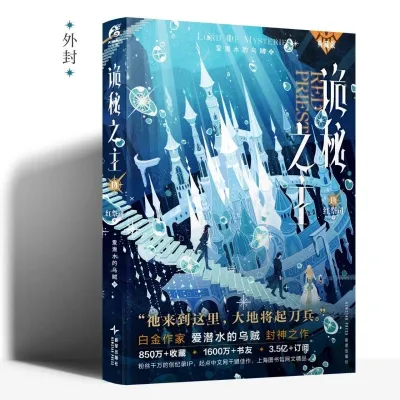
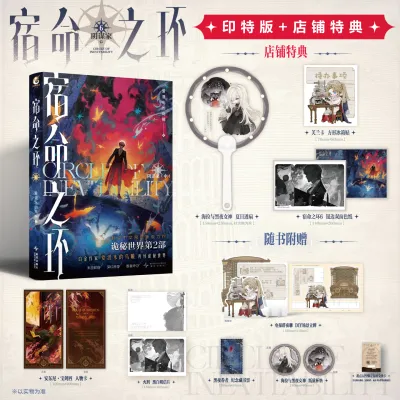
Prices are valid at publication and may change. Please refer to the product page for the latest price.
The second pillar of its appeal is the progression magic system, specifically the potion-based advancement structure. Unlike soft magic systems where power is vague and emotional, or standard role-playing game systems with simple level-ups, this system utilizes a rigid, sequence-based pathway. Each step up a pathway grants specific, logical abilities but also increases the risk of losing control, leading to madness or physical mutation. This constant threat of corruption adds a psychological horror element to every power upgrade, making character progression feel earned and dangerous.
Finally, the narrative balances high-stakes action with meticulous mystery-solving. The protagonist does not simply fight stronger enemies; they must uncover ancient history, decode cryptic diaries, and navigate the complex politics of orthodox and unorthodox churches. The discovery of hidden lore is just as satisfying as a physical battle. When searching for your next read, you should target books that replicate this balance, ensuring that worldbuilding and intellectual puzzle-solving are prioritized alongside character growth.
Selection Criteria for International Fantasy and Mystery Novels
When searching the global literary market for books that capture this unique atmosphere, you can narrow your search by focusing on specific subgenres and structural elements. Rather than browsing broad fantasy categories, look for “gaslamp fantasy” or “flintlock fantasy.” These subgenres are explicitly defined by their historical parallels to the 18th and 19th centuries. Gaslamp fantasy emphasizes the gothic, occult, and industrial elements of the Victorian era, while flintlock fantasy introduces early firearms and colonial-era politics alongside magic. These settings naturally accommodate the secret societies, academic institutions, and urban mysteries that fans of occult fantasy enjoy.

Another critical criterion is the presence of a hard magic system with high psychological or physical stakes. A hard magic system has clearly defined rules, limitations, and costs. To match the tension of sequence-based pathways, look for magic systems where using power requires resource management—such as consuming specific materials, drawing complex runes, or sacrificing physical health. The most compatible stories are those where magic is treated as a dangerous science, where a single miscalculation can result in permanent consequences or mental instability.
Furthermore, prioritize mystery-driven plots over standard adventure quests. In typical progression fantasy, the protagonist’s main goal is to become stronger to defeat a clear antagonist. In contrast, a mystery-driven plot positions the protagonist as an investigator, detective, or scholar. The narrative should revolve around uncovering a hidden conspiracy, deciphering ancient texts, or solving a series of seemingly unrelated supernatural occurrences that eventually connect to a grander, cosmic threat. This structure keeps the reader engaged through intellectual curiosity rather than just action sequences.
To evaluate these international novels before purchasing, consider the following checklist:
- Setting and Era: Does the book feature an industrial, Victorian, or early-modern setting with technology like steam power or early firearms?
- Magic System Rules: Is the magic system governed by strict laws, and does it carry a high risk of mental or physical corruption?
- Protagonist's Role: Is the main character an investigator, scholar, or strategist who relies on intelligence and preparation rather than brute force?
- Atmosphere: Does the story incorporate elements of cosmic horror, secret societies, and ancient, forbidden lore?
Navigating Singaporean Speculative and Mystery Fiction
For readers looking to support local literature while enjoying these dark, speculative themes, the Singaporean literary landscape offers a wealth of unique options. Singaporean speculative fiction, urban fantasy, and horror often blend modern metropolitan life with deep-seated historical mysteries and Southeast Asian folklore. This combination creates a distinct atmosphere that mirrors the urban gothic feel of gaslamp fantasy but sets it within a familiar, tropical environment.
To discover these works, start by exploring local independent publishers and literary journals. Publishers based in Singapore frequently champion speculative fiction, offering anthologies and novels that might not receive mainstream international distribution. These publishers curate stories that explore the supernatural underbelly of modern cityscapes, historical mysteries set during the colonial era, and speculative futures. Literary journals and local arts portals are also excellent resources for finding short stories and emerging voices in the genre.
When evaluating local speculative fiction, pay close attention to regional literary awards, such as the Singapore Literature Prize, or curated anthologies of local horror and dark fantasy. These collections often feature stories that integrate Southeast Asian folklore—such as the legends of the Pontianak, Toyol, or Orang Minyak—into modern or historical settings. The integration of these cultural elements provides a fresh take on cosmic horror. Instead of the Western-centric Lovecraftian mythos, local authors use regional myths to explore themes of forbidden knowledge, spiritual corruption, and the thin veil between the mundane world and the supernatural.
To find and support these local authors, you can use several strategies:
- Explore Local Anthologies: Look for short story collections focused on Singaporean gothic, horror, or speculative fiction, which serve as excellent entry points to multiple local writers.
- Follow Independent Publishers: Keep track of new releases from Singapore-based publishers who specialize in literary and genre fiction.
- Check Literary Award Shortlists: Review the nominees and winners of local literary awards in the fiction and creative nonfiction categories to identify high-quality writing.
- Leverage Local Library Resources: Use national library catalogs to search for speculative fiction tagged with regional keywords or local author names before committing to a physical purchase.
Verifying Editions, Translations, and Formats Before Reading
Because many works in this genre originate as translated web novels, readers seeking similar works—especially serialized web fiction or translated international novels—must navigate a complex landscape of editions, translations, and digital formats. Ensuring you get a high-quality, complete, and authorized version of a book requires careful verification before you spend your money.
First, always compare official English translations against unauthorized fan translations. Official translations, typically licensed by established digital platforms or traditional publishers, undergo professional editing, proofreading, and localization. This ensures that complex magic systems, character titles, and cultural nuances are translated consistently throughout the series. Fan translations, while often enthusiastic, can suffer from inconsistent terminology, grammatical errors, and sudden changes in translators, which can ruin the immersion of a complex mystery. Check the publisher’s credentials on the platform or book cover to confirm the translation is officially authorized.
Second, verify the physical and digital formats for compatibility and regional restrictions. If you prefer reading on an e-reader, check whether the digital file is in a standard format like EPUB or if it is locked to a proprietary app. Some serialized fiction platforms require you to read exclusively within their mobile applications, which may not support dedicated e-ink screens. For physical books, especially those imported from international publishers or local independent presses in Singapore, check the shipping costs and regional availability. Physical paperbacks of local speculative fiction typically range from S$15 to S$30, and purchasing directly from local distributors can save on international shipping fees.
Finally, verify the completeness of the edition. Serialized novels are often split into multiple volumes for physical publication. Before purchasing, check the table of contents or edition notes to ensure the volume contains the complete story arc or the specific chapters you intend to read. Some editions may also include exclusive side stories, author interviews, or detailed glossaries of the magic system, which add significant value for dedicated readers.
Frequently Asked Questions (FAQ)
How do I evaluate the quality of translated web novels before committing to a full series?
To evaluate a translated web novel, read the first five to ten chapters as a trial. Pay close attention to the consistency of terminology, especially regarding magic systems, character names, and worldbuilding concepts. A high-quality translation will maintain a natural dialogue flow and avoid overly literal translations of idioms that disrupt readability. Additionally, check online reader communities and forums for reviews that specifically discuss the translation quality, editor notes, and whether the translation remains consistent in later volumes.
Where can I find physical copies of independent Singaporean speculative fiction?
Physical copies of Singaporean speculative fiction can be found at independent bookstores located in Singapore’s cultural and arts districts. These specialized shops actively curate local and Southeast Asian literature, often carrying titles that are difficult to find in larger chain bookstores. You can also purchase books directly from the online storefronts of local independent publishers, which frequently offer direct shipping within Singapore and occasionally list special editions, signed copies, or bundled discounts.
Community discussion
Share your experience or ask a question. Comments are reviewed before publication.