
Deciding whether to read the original Bridgerton novels after watching the hit Netflix adaptation depends on what you want from a romance story. While the television series is a visual feast filled with modern music, diverse casting, and high-stakes ensemble drama, Julia Quinn’s novels offer a quieter, more intimate experience. Reading the books allows you to step directly into the minds of the characters, exploring their internal struggles and relationship dynamics in a way that a screen adaptation cannot fully replicate.
If you already know the major plot twists, the books are still worth reading for their deep character development, witty Regency dialogue, and classic romance tropes. However, the transition from screen to page requires adjusting your expectations, as the novels differ significantly in tone, pacing, and structure. Understanding these differences will help you decide if investing your time and money into this eight-book series is the right choice for your reading list.
Key Differences Between the Bridgerton Books and the Netflix Show
The most immediate shift you will notice when opening any Bridgerton novel is the depth of internal monologue. On screen, character motivations must be expressed through dialogue, longing glances, or dramatic actions. In the novels, you are privy to the characters’ private anxieties, childhood traumas, and evolving feelings. This internal focus makes the romance feel incredibly earned, as you watch the protagonists slowly dismantle their own emotional barriers over hundreds of pages.
Products mentioned in this guide
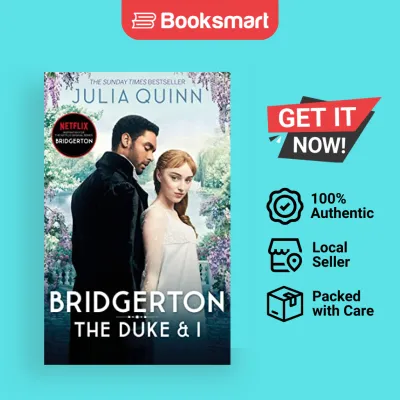
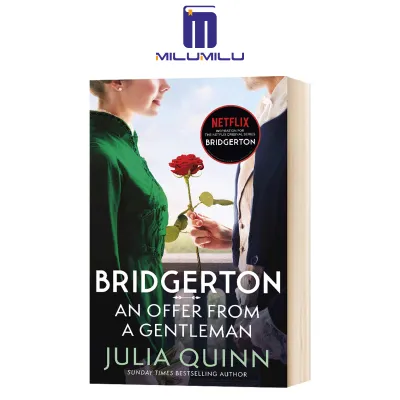
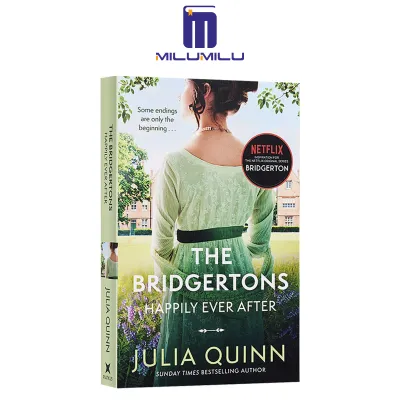
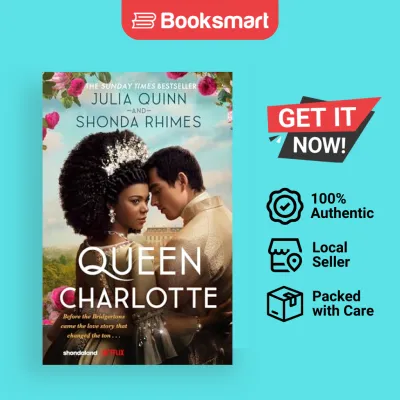
Prices are valid at publication and may change. Please refer to the product page for the latest price.
Structurally, the books and the show operate on entirely different scales. The television series is designed as an ensemble drama, juggling multiple subplots simultaneously to keep a large cast active. In contrast, each novel in the Bridgerton series focuses almost exclusively on a single sibling’s romance. Secondary characters, such as the other Bridgerton siblings or the Featheringtons, only appear briefly to offer advice or comic relief. Additionally, major show elements—such as the early reveal of Lady Whistledown’s identity and the prominent role of Queen Charlotte—are either absent or handled very differently in the books.
The tone of the two mediums also diverges. The Netflix show is famous for its vibrant, stylized aesthetic, featuring modern pop songs rearranged for string quartets and a highly dramatized, fast-paced plot. The novels are much more traditional Regency romances. Written in the early 2000s, they rely on classic romance tropes and a slower, more character-driven pace. If you enjoy the quiet tension of historical romance novels, the books will delight you, but those expecting the show’s high-octane drama might find the books surprisingly subdued.
What the Books Offer That the Show Misses
One of the greatest advantages of reading the novels is the deeper psychological exploration of the main couples. For instance, Anthony Bridgerton’s fear of dying young or Simon Basset’s deep-seated resentment toward his father are explored with immense detail on the page. These internal conflicts drive their actions in ways that the show sometimes has to simplify for pacing reasons. Reading the books gives you a complete understanding of why these characters behave the way they do, making their eventual happy endings feel much more satisfying.

The books also offer a different look at the Bridgerton family dynamics. Without the constant distraction of external subplots, the novels spend more time showing the siblings simply interacting with one another. The banter is sharp, affectionate, and filled with the unique chaos of a large, loving family. If you felt the show rushed through the sibling relationships to focus on societal scandal, the books provide the warm, domestic family moments you might have missed.
Furthermore, the novels offer dedicated perspectives and extended closures that the show cannot guarantee. Many editions of the books include “Second Epilogues”—short follow-up stories written by Julia Quinn years after the original publications. These epilogues check in on the couples long after their wedding days, showing them raising families, growing older, and navigating life together. For readers who hate saying goodbye to their favorite characters, these extra chapters provide a level of closure that a television series, bound by production schedules and actor availability, rarely achieves.
When to Skip the Books and Stick to the Show
While the books are beloved by romance fans, they are not a perfect fit for every viewer of the show. If your favorite parts of the Netflix series are the lavish balls, the diverse casting, the modern soundtracks, and the constant social intrigue of the Ton, you may find the books disappointing. The novels lack the grand visual scale of the show, and the world they inhabit is much more conventional and less diverse than the one created for television.
Additionally, if you are highly attached to specific show-only characters or storylines, the books might feel empty. Queen Charlotte, who plays a massive role in the show’s societal drama, is barely a background figure in the novels. Similarly, characters like Eloise have vastly different arcs on screen; in the books, Eloise’s journey is much more traditional and lacks the political and feminist rebellion emphasized in the television adaptation. If these modernized elements are what kept you hooked, the original texts may feel outdated.
You should also consider the time and financial commitment required to read an eight-book series. Binge-watching a television season takes a few hours, but reading thousands of pages across eight novels requires a sustained effort. In Singapore, purchasing the entire physical set can cost anywhere from S$100 to S$180 depending on the binding and retailer. If you are not an avid reader or if you prefer fast-paced, visual storytelling, sticking to the television adaptation is a perfectly valid and highly entertaining choice.
How to Decide Which Books to Buy First
If you decide to take the plunge, you do not necessarily have to start from the very beginning. You can easily map your favorite television seasons to their primary source novels to find your starting point. Season 1 is based on The Duke and I (Daphne and Simon), Season 2 is based on The Viscount Who Loved Me (Anthony and Kate), and Season 3 adapts Romancing Mister Bridgerton (Colin and Penelope). Note that the show skipped the chronological order of the books, as Benedict’s story, An Offer From a Gentleman, is actually the third book in the series.
Choosing your first book based on your favorite romantic tropes is often more rewarding than following a strict chronological order. If you love the enemies-to-lovers dynamic, Anthony and Kate’s book is widely considered a masterpiece of the genre. If you prefer a Cinderella-style secret identity romance, Benedict’s book is the perfect choice. Because each book operates as a standalone romance focusing on a different couple, you can easily jump to the story that appeals to your specific reading preferences without losing track of the overarching plot.
Before making a purchase, it is essential to verify the specific edition you are buying. Publishers have released multiple versions of the Bridgerton series, including classic illustrated covers, minimalist designs, and television tie-in editions featuring the show’s actors. Beyond aesthetics, you should verify the language, medium (such as paperback, hardcover, or e-book), and content completeness, as some older printings may lack the bonus second epilogues. If you prefer digital reading, check regional restrictions and device compatibility for your e-reader before purchasing from online bookstores. For physical copies, checking local independent bookstores or established regional online marketplaces in Singapore will help you compare availability and find the exact edition that fits your collection goals.
Frequently Asked Questions (FAQ)
Are the Bridgerton books historically accurate?
The Bridgerton books are works of historical romance fiction rather than strict historical accounts. While they are set during the English Regency era and incorporate elements of the period’s social etiquette, fashion, and class structure, author Julia Quinn prioritizes romantic tropes, emotional arcs, and character dynamics over absolute historical accuracy. Readers should approach the series as an escapist romantic fantasy rather than an educational text on 19th-century British history.
Do I need to read the Bridgerton books in order?
While each book focuses on a different sibling’s love story and can technically be read as a standalone, reading them in publication order is highly recommended. Starting with the first book, The Duke and I, helps establish the warm family dynamics, the personalities of the siblings, and the ongoing mystery of Lady Whistledown. Reading chronologically allows you to appreciate the subtle character growth and recurring family jokes that build across the entire eight-book saga.
Community discussion
Share your experience or ask a question. Comments are reviewed before publication.