
When buying a cajon with a carrying bag bundle, look for a shell material that balances acoustic resonance with physical weight, a snare system that matches your tuning preference, and a carrying bag with at least 10mm to 15mm of high-density foam padding wrapped in a high-denier, water-resistant exterior. This combination ensures that you get a rich, expressive instrument that can safely withstand local transit and tropical weather.
Evaluating a bundle requires looking closely at the specifications of both the instrument and the bag. A cheap bundle often cuts corners on either the wood quality or the bag’s padding thickness, which can lead to a disappointing sound or a damaged instrument. By decoding the technical specifications of both items, you can find a high-value package that meets your musical and travel needs.
Cajon Shell Materials and Dimensions: What the Wood and Size Mean for Your Sound
The wood species used to construct the cajon shell directly shapes its acoustic character, projection, and weight. Birch plywood is a highly popular choice for percussionists because it delivers a bright, punchy attack with clear high-frequency slaps and excellent projection. If you prefer a warmer, deeper bass tone with a rich midrange, mahogany is an excellent alternative, though it tends to be heavier.
Products mentioned in this guide
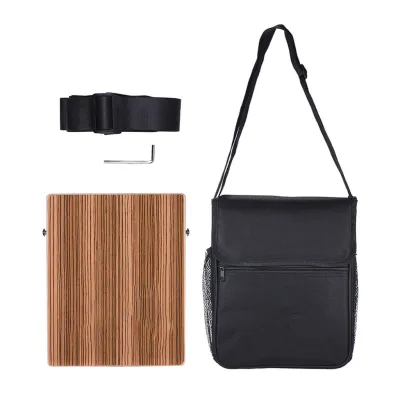
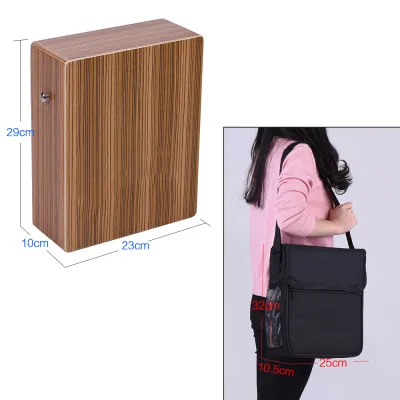
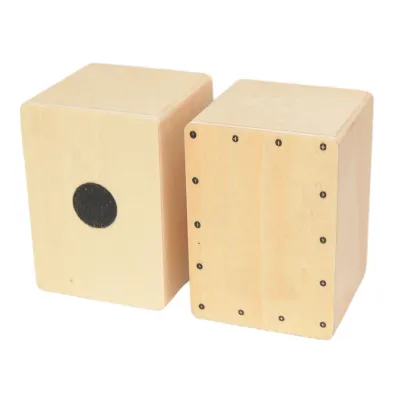
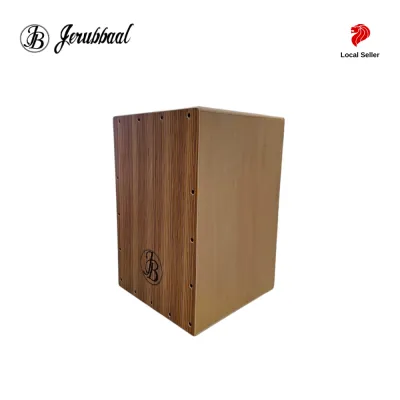
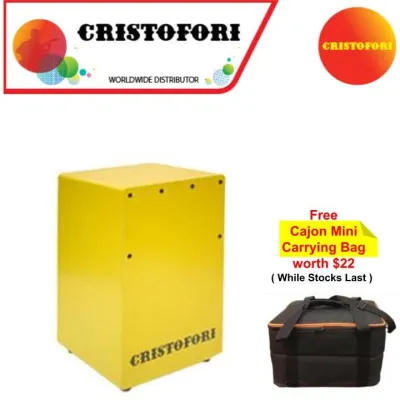
Prices are valid at publication and may change. Please refer to the product page for the latest price.
For those shopping on a budget, medium-density fiberboard (MDF) or birch plywood shells with a decorative veneer offer a highly stable and cost-effective option. In humid climates like Singapore, laminated plywood and MDF are less prone to warping or cracking than solid hardwoods, making them practical choices for everyday use.
Standard full-size cajons typically measure approximately 30 x 30 x 50 cm. This physical volume is essential for developing a deep, resonant bass tone when struck in the center of the frontplate (tapa). While compact or travel-size cajons (often around 25 x 25 x 40 cm) are much easier to transport on public transit, the smaller internal air chamber inherently limits low-end bass response.
Before purchasing, always check the manufacturer’s weight specifications. A heavier cajon constructed from dense hardwoods provides a solid, non-slip seating platform but can become a physical burden during long walks. Aim for a balance where the instrument is heavy enough to remain stable under your body weight but light enough to carry comfortably.
Snare Systems and Internal Build: Decoding the Rattle and Resonance
The snare system inside the cajon is responsible for the distinct “sizzle” sound that mimics a drum kit’s snare. Fixed snare systems utilize pre-tensioned guitar strings or snare wires pressed permanently against the back of the tapa. These systems offer a reliable, plug-and-play sound that requires zero maintenance, making them ideal for beginners who do not want to fuss with adjustments.

Adjustable snare systems feature an external knob, dial, or internal tension screws that allow you to alter the pressure of the snare wires against the frontplate. This specification is crucial if you want to customize your sound, as it lets you tighten the wires for a dry, crisp slap or loosen them for a buzzy, loose response. Some advanced systems even allow you to completely disengage the snares to achieve a traditional, clean Afro-Peruvian tone.
Internal bracing is a critical indicator of structural integrity and acoustic control. Because the player sits directly on top of the instrument, the internal corners must be reinforced with solid wood bracing to support body weight and prevent the joints from splitting over time. Good bracing also helps control unwanted cabinet vibrations, ensuring a cleaner sound.
When evaluating a cajon, inspect the interior through the rear soundhole using product photos or in-store displays. Look for clean woodwork, smooth sanded edges, and secure mounting brackets for the snare wires. Sloppy glue runs, rough splinters, or loose internal components are warning signs of poor quality control that can cause annoying, non-musical rattling during performance.
Carrying Bag Protection: Interpreting Padding Thickness and Exterior Materials
A cajon-and-bag bundle is only as protective as the bag’s padding and exterior fabric. Many budget bundles include a basic dust cover with zero padding, which offers no protection against accidental drops. For real-world transit, look for a bag with a minimum of 10mm of high-density foam padding, while 15mm to 20mm is highly recommended if you commute frequently.
The exterior fabric specification dictates how well the bag resists wear, tears, and moisture. Look for denier (D) ratings, which measure the thickness of the individual fibers in the fabric. A bag made of 600D polyester or nylon offers excellent abrasion resistance and basic water repellency, which is essential for protecting the wooden shell from sudden tropical downpours.
Always verify the bag’s internal dimensions against the cajon’s exact exterior measurements. A proper fit should be snug but not restrictive. If the bag is too tight, it puts excessive stress on the zippers and seams, leading to premature tearing. Conversely, if the bag is too loose, the cajon will shift during transit, throwing off your balance and reducing the effectiveness of the padding.
Bag Ergonomics and Utility: Evaluating Straps, Zippers, and Storage
Transporting a box drum requires thoughtful ergonomics to prevent physical strain. Backpack-style dual shoulder straps are highly superior to a single shoulder strap for long walks or commutes. They distribute the weight evenly across both shoulders, keeping your hands free to carry other gear or hold onto handrails on the MRT.
Ensure the backpack straps are wide (at least 5cm to 7cm) and lined with breathable mesh padding to prevent chafing in warm weather. The hardware specifications of the gig bag are just as critical as the fabric. Look for heavy-duty, self-repairing nylon or metal zippers (preferably size #8 or larger) with dual sliders for easy access.
The connection points where the straps meet the bag body should feature reinforced cross-stitching or metal rivets to prevent ripping under load. A sturdy, padded top grab handle provides a quick, secure grip when loading the instrument into a car trunk or lifting it onto a stage.
Finally, assess the utility of external storage. A spacious front pocket is invaluable for keeping your accessories organized. Look for pockets that can accommodate items like cajon brushes, shaker eggs, a tuning key, or sheet music, eliminating the need to carry an extra accessory bag.
Prioritizing Specs by Playing Scenario: Where to Compromise and Where to Invest
To get the best value, match the bundle’s specifications to your primary playing environment. If you are a street busker or a gigging musician who frequently travels, invest heavily in the bag’s protective and ergonomic features. Prioritize a bundle that includes a 600D water-resistant exterior, 20mm high-density padding, and comfortable backpack straps, pairing it with a durable plywood cajon that can handle changing outdoor acoustics.
Conversely, if your cajon will primarily remain in a climate-controlled home studio or living room, you can safely deprioritize heavy-duty bag specifications. A bundle with a thinner 5mm padded bag or a simple dust cover will suffice for occasional storage. Instead, allocate your budget toward a cajon with a premium solid wood shell (such as mahogany) and a highly responsive, adjustable snare system to capture the finest nuances of your studio recordings.
Avoid paying a premium for superficial features. Elaborate exterior bag designs, oversized brand logos, or excessive cosmetic finishes on the cajon shell do not improve the sound or durability of the instrument. Focus your budget on structural integrity, wood quality, and functional padding.
Frequently Asked Questions (FAQ)
Does a heavier cajon always produce better bass?
Not necessarily. While a heavier, thicker wooden shell can enhance sustain and prevent unwanted cabinet vibrations, the bass response is primarily determined by the internal volume of the drum, the flexibility of the frontplate (tapa), and the port design. A well-constructed, lighter plywood cajon can often produce a punchier and deeper bass than a poorly designed, heavy solid-wood model. Your striking technique and where you strike the tapa also play a massive role in the perceived low-end response.
Can I use a generic padded gig bag instead of the manufacturer's included bag?
Yes, you can use a third-party or generic gig bag, provided the internal dimensions match your cajon’s exterior measurements exactly. However, manufacturer-included bags are specifically tailored to fit their corresponding models, often featuring reinforced base padding where the cajon’s rubber feet rest. If you opt for a generic bag, ensure it has a reinforced bottom panel to prevent the rubber feet from wearing through the fabric over time.
Community discussion
Share your experience or ask a question. Comments are reviewed before publication.