
Understanding the Portability and Sound Trade-Offs
To evaluate a foldable cajon, one must understand the acoustic physics of a traditional, fixed-box cajon. A standard cajon functions as a sealed acoustic chamber, relying on rigid, permanently glued joints and thick wooden panels to direct sound waves. When you strike the front plate (tapa), the air inside compresses and escapes through the sound port, generating a deep, resonant bass tone. The structural integrity of glued seams ensures that minimal acoustic energy is lost through unwanted panel vibration or air leaks, maximizing volume and low-end warmth.
In contrast, a foldable cajon replaces these permanent, rigid connections with collapsible mechanisms. These designs feature detachable panels, interlocking joints, hinges, or tension rods that allow the instrument to fold flat for easy transport. While this engineering provides unmatched portability, it alters the structural physics of the instrument. Because the joints are not permanently sealed, some acoustic energy naturally escapes through the seams. Furthermore, collapsible designs often require thinner panels to remain lightweight, which directly impacts the overall resonance and bass response.
Therefore, selecting a foldable cajon requires balancing this primary trade-off: gaining extreme portability and transport convenience comes at the cost of some acoustic volume and low-end warmth. A collapsible model will rarely match the deep, booming bass of a premium, solid-box cajon of the same size. However, for many percussionists, the ability to pack an instrument into a backpack or carry-on bag far outweighs a minor loss in acoustic resonance. The key to making a successful purchase is finding the precise balance between portability and sound quality that matches your specific playing environment.
Products mentioned in this guide
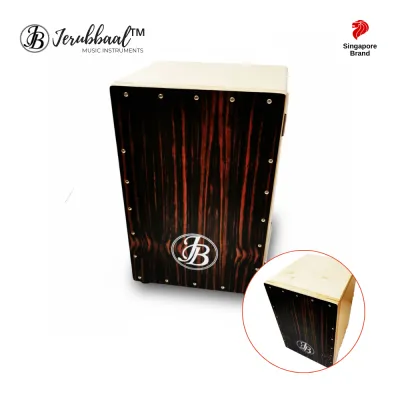
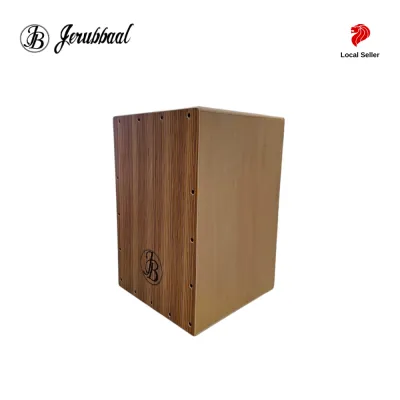
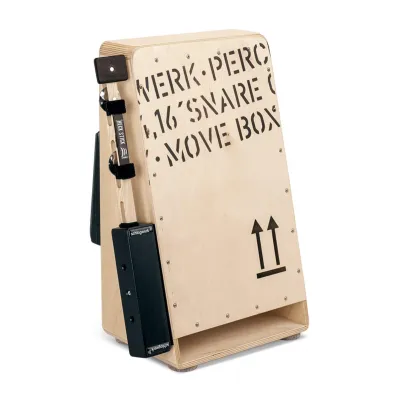
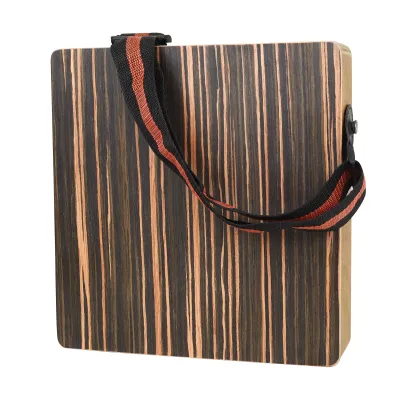
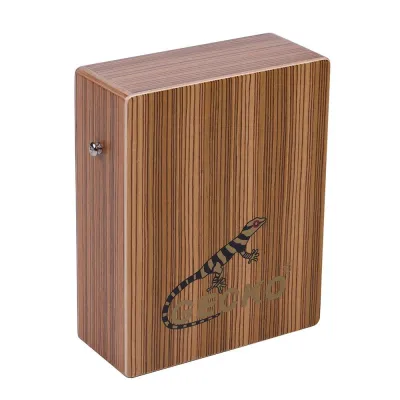
Prices are valid at publication and may change. Please refer to the product page for the latest price.
Essential Hardware and Material Specifications to Evaluate
Folding Mechanisms and Hardware Durability
The physical mechanism that allows a cajon to collapse is the most critical factor determining its longevity and ease of use. There are two primary design paths: tool-free interlocking wood joints and hinge-based folding systems. Interlocking wood designs rely on precisely machined tongue-and-groove joints or puzzle-like edges that slot together, often reinforced by internal tension rods or hand-tightened screws. These systems are highly favored because they minimize metal hardware, reducing the overall weight and eliminating many potential points of mechanical failure. However, they require careful alignment during assembly to prevent the wooden edges from chipping or wearing down over time.

Hinge-based folding systems use metal hinges and latches to fold the panels inward or outward without fully separating them. This design typically allows for rapid setup and teardown times, often taking less than thirty seconds. The trade-off lies in the hardware itself. Metal hinges, latches, and screws are subject to intense vibrational stress when the instrument is played. Over time, these metal-on-metal contact points can loosen, leading to persistent, distracting rattling noises that ruin the acoustic tone. When evaluating a hinge-based model, it is essential to inspect the quality of the latching systems and check whether the hardware can be easily tightened if it begins to wear.
Before purchasing, always verify the manufacturer’s specifications regarding setup and teardown times, and look closely at the locking mechanism. A secure, rigid lock when fully assembled is non-negotiable. If the panels shift even slightly under your body weight while sitting on the instrument, the joints will degrade rapidly, compromising the structural safety of the cajon. Look for models featuring robust rubber gaskets or compression seals along the folding seams to help seal the air chamber and dampen potential hardware vibrations.
Shell Materials and Tonal Characteristics
The wood species and composite materials used to construct a foldable cajon’s shell dictate both its physical weight and its tonal signature. Birch and beech are among the most popular choices for high-quality cajon shells. Birch offers a balanced sound profile, with crisp, bright highs and a clear, punchy mid-range that helps the snare tones cut through an acoustic mix. Mahogany and maple are also common; mahogany provides a warmer, deeper low-end response, while maple delivers excellent projection and bright high frequencies.
To make foldable cajons lighter and easier to carry, manufacturers often use thinner plywood panels or lightweight synthetic composites for the side and back walls. While this significantly reduces the physical strain of transport, thinner walls do not project sound waves as efficiently as thick, dense hardwood. This design choice often results in a brighter, thinner sound with a noticeable reduction in bass projection. Some manufacturers mitigate this by using high-density fiberboard (HDF) or composite plastics for the collapsible panels, which can provide excellent structural rigidity and durability at a lower weight, though they may lack the natural warmth of real wood.
When shopping, do not rely on generic marketing terms like “select hardwood” or “premium wood finish.” Instead, carefully check the product label or manufacturer specifications to verify the exact wood type and thickness of both the shell panels and the striking surface, or tapa. The tapa is typically much thinner than the shell (often between 2mm and 3mm) and is designed to flex when struck. A high-quality tapa made of birch or exotic wood veneers will offer superior sensitivity and dynamic range, allowing you to produce distinct bass and snare tones even on a collapsible frame.
Snare Systems, Strings, and Bass Ports
The internal snare system is what gives the cajon its characteristic drum-like snap. Foldable designs must accommodate this system within a collapsible structure, presenting unique engineering challenges. The two primary types of snare systems are internal snare wires and guitar strings. Internal snare wires, similar to those found on a standard snare drum, are pressed against the back of the tapa to deliver a sharp, crisp, and highly responsive sizzle. This system is excellent for modern pop, rock, and electronic styles where a distinct snare sound is required.
Alternatively, some foldable cajons use adjustable guitar strings stretched vertically behind the tapa. This setup provides a warmer, more controlled snare buzz that is highly suited for traditional flamenco, acoustic folk, and world music. The primary advantage of a string-based system is adjustability; many models feature external Allen key screws or tension knobs that allow you to tighten or loosen the strings to customize the buzz. When evaluating a foldable cajon, look for models that offer this external adjustment capability. Having to partially disassemble the collapsible panels just to adjust a loose snare wire is highly inconvenient during a performance or practice session.
The placement and construction of the sound port also play a vital role in sound projection and bass response. Traditional cajons feature a rear-facing sound port, which directs the low-end frequencies backward, allowing them to bounce off walls and fill the room. Some foldable models utilize side-facing or front-facing ports to accommodate the folding hinges on the rear panel. A front-facing port can be highly advantageous for live performances, as it projects the bass tones directly toward the audience and makes microphone placement much simpler. However, you must ensure that the sound port’s edges are smoothly finished and do not interfere with the structural integrity of the folding seams, as any air escaping through unintended gaps will severely weaken the instrument’s acoustic punch.
Matching Foldable Cajon Profiles to Your Playing Needs
The Busker and Traveler (Prioritizing Weight and Speed)
For street performers and musicians who are constantly on the move, portability and rapid setup are the absolute highest priorities. If you frequently commute on public transport, such as the MRT in Singapore, or travel internationally, you need an ultra-lightweight instrument that folds down flat in seconds. The ideal profile for a traveler model features a tool-free, interlocking design or a highly efficient hinge system that allows the cajon to collapse to a thickness of under 10 centimeters. This compact profile ensures the instrument can easily slide into a padded backpack gig bag or fit into standard overhead airplane compartments.
To achieve this extreme portability, traveler models typically weigh between 2 and 3.5 kilograms. They often utilize lightweight materials, such as thin birch plywood or durable synthetic composites, and may feature a slightly smaller overall footprint than a standard cajon. While these specifications make transport effortless, players must accept that these models prioritize convenience over raw acoustic power. Because of their reduced volume and thinner bass response, buskers playing in noisy outdoor environments or busy pedestrian malls will almost certainly need to pair the instrument with a small, battery-powered amplifier or a dedicated instrument microphone to ensure their rhythms are heard clearly over ambient city noise.
The Acoustic Ensemble Player (Prioritizing Tone and Resonance)
If you primarily play in unplugged band settings, acoustic jam sessions, or intimate indoor venues, your primary concern will be matching the rich, full-bodied sound of a traditional percussion setup. For this use case, you should look for a foldable cajon that leans heavily toward sound quality, even if it means carrying a slightly heavier and bulkier load. The ideal profile for an acoustic ensemble player features a shell constructed from premium, thick tone woods such as multi-ply birch or mahogany, paired with a highly sensitive, premium wood tapa.
These high-performance foldable models are designed to minimize acoustic loss. They often feature robust compression latches, thick rubber gaskets along the joints, and heavy-duty tension rods that pull the panels together with immense force, mimicking the structural rigidity of a solid-box cajon. While these features ensure a deep, warm bass response and a crisp, distinct snare separation, they also add weight. These instruments typically weigh between 4 and 5 kilograms and may take a few minutes to fully assemble and tune. However, the compromise is well worth it for players who require an authentic, uncompromised acoustic tone that can hold its own alongside acoustic guitars, violins, and vocals without needing constant electronic amplification.
The Hybrid and Electronic User (Prioritizing Triggers and Output)
Modern percussionists frequently integrate acoustic instruments with electronic elements to expand their sonic palette. If you plan to use your foldable cajon alongside electronic drum modules, loop pedals, or direct-to-PA systems, you should focus on models designed with electronic integration in mind. The ideal profile for a hybrid user includes built-in passive or active pickup systems, typically featuring a piezo pickup for the bass tones and another for the high snare sounds, complete with a standard 6.35mm (quarter-inch) output jack.
A built-in pickup system eliminates the need for external microphone stands and complex stage setups, which is incredibly convenient for fast-paced gigging environments. Furthermore, because the sound is captured internally and sent directly to a soundboard or amplifier, the physical acoustic volume and bass limitations of the foldable shell become far less critical. However, hybrid players must ensure that the folding frame is exceptionally stable. The addition of heavy cables, wireless transmitters, or external trigger pads attached to the shell can place extra physical stress on the joints. A highly stable folding base with heavy-duty locking mechanisms is essential to handle these vibrations and prevent the instrument from shifting or collapsing during an energetic performance.
Setup, Maintenance, and Care for Foldable Designs
Owning a foldable cajon requires a dedicated maintenance routine to ensure that the collapsible joints, hardware, and wooden panels remain in optimal working condition over years of use. Unlike a solid-box instrument, a foldable cajon is subjected to physical wear and tear every time it is assembled and disassembled. To prevent premature damage, always follow a careful, methodical approach during setup. Never force interlocking wood joints together if they feel misaligned, as this can easily chip the wood or strip the protective finishes. If your model uses tension rods or metal screws, tighten them hand-tight first to avoid cross-threading, and never over-tighten them with tools unless explicitly directed by the manufacturer’s manual.
Routine physical inspections are highly recommended to catch minor hardware issues before they turn into major structural failures. Periodically check all visible screws, hinges, and latches to ensure they have not vibrated loose during play. If you notice a hinge beginning to squeak or feel stiff, apply a small amount of a non-damaging, manufacturer-approved lubricant to the moving metal parts, taking extreme care not to get any oil on the raw wood surfaces, which can stain or soften the material. Additionally, inspect the internal snare wires or strings regularly. Over time, these components can stretch or lose their tension, resulting in a dull, muddy sound. Adjust the tension according to the manufacturer’s instructions, and replace worn or broken snare components promptly to maintain a crisp response.
Environmental care is particularly crucial for foldable wooden instruments, especially in tropical climates with high humidity levels, such as Singapore. Wood is a natural, hygroscopic material that absorbs and releases moisture from the air, causing it to swell in humid conditions and contract in dry environments. In a foldable design, even minor wood warping can cause the interlocking seams to misalign, making assembly difficult and creating tiny air leaks that will ruin the instrument’s bass response.
To protect your investment, always store the cajon in its padded gig bag when not in use to buffer it against rapid temperature and humidity changes. Avoid leaving the instrument in direct sunlight, inside a hot car trunk, or directly under an air conditioning vent. If you live in an exceptionally humid environment, consider keeping a few silica gel desiccant packets inside the gig bag to absorb excess moisture and keep the wood stable. If the manufacturer’s care instructions conflict with general advice, always prioritize the official guidelines provided for your specific model.
Frequently Asked Questions (FAQ)
Do foldable cajons sound as good as standard box cajons?
While high-quality foldable cajons can sound remarkably close to standard box models, they generally do not match the absolute depth and resonance of a premium, fixed-shell instrument. The physical seams, hinges, and detachable panels inherent to a collapsible design naturally allow small amounts of acoustic energy to escape, which slightly reduces the low-end warmth and maximum acoustic volume. However, in many practical scenarios—such as outdoor busking, casual jam sessions, or live performances where the cajon is amplified through a microphone or built-in pickup—the difference in sound quality is virtually indistinguishable to the average listener. The minor compromise in acoustic depth is usually a highly acceptable trade-off for the immense convenience of a travel-friendly design.
Can I use a foldable cajon for live gigs without amplification?
A foldable cajon can be used without amplification for small, intimate acoustic performances, such as playing in a quiet living room, a small cafe, or a classroom alongside one or two acoustic guitars. However, for larger venues, outdoor settings, or performances alongside louder instruments like acoustic drums, brass, or keyboards, a foldable cajon will struggle to cut through the mix on its own due to its reduced acoustic projection. In these scenarios, you will need to amplify the instrument. This can be achieved easily by placing a standard dynamic microphone near the rear sound port or by choosing a foldable model that features a built-in pickup system, which allows you to plug directly into a PA system or keyboard amplifier.
How do I stop the folding hinges or joints from rattling while playing?
Rattling is a common issue with collapsible percussion instruments and is almost always caused by loose hardware or minor gaps between the folding panels. To resolve this, first perform a thorough physical check and tighten any loose screws, hinges, or tension rods using the appropriate tools. If the rattling persists, inspect the contact points where the wooden panels meet the metal hinges. If your manufacturer’s care instructions permit, you can apply small pieces of self-adhesive felt tape or thin foam stripping along these contact points to act as a dampener. Finally, always ensure that the cajon is fully and securely locked into its assembled position before you sit down to play, as any slight structural play will inevitably cause unwanted vibrations.
Community discussion
Share your experience or ask a question. Comments are reviewed before publication.