
When buying a first piano keyboard for your child, the sheer volume of technical specifications can feel overwhelming. To avoid overpaying for unnecessary features or buying an instrument your child will quickly outgrow, focus on three core specifications: key count, key action (touch sensitivity versus weighted keys), and basic hardware connectivity. Prioritizing these fundamentals ensures your child builds proper finger strength and musical habits without being distracted by unnecessary digital gimmicks.
Selecting the right instrument depends heavily on your child’s age, current learning goals, and your home environment. By understanding which specifications directly impact learning and which are simply marketing extras, you can make a practical investment that supports your child’s musical journey.
Key Count: How Many Keys Does Your Child Actually Need?
A standard acoustic piano has 88 keys, but digital keyboards come in several sizes, most commonly 61, 76, and 88 keys. The right choice depends on your child’s physical reach and how long you plan for them to use the instrument before upgrading.
Products mentioned in this guide
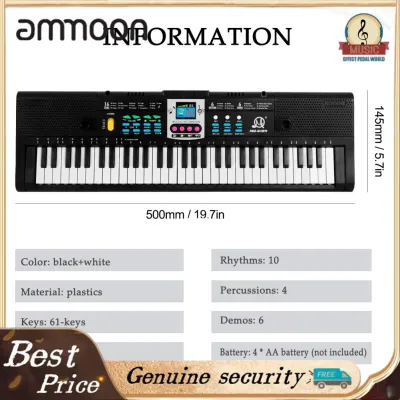
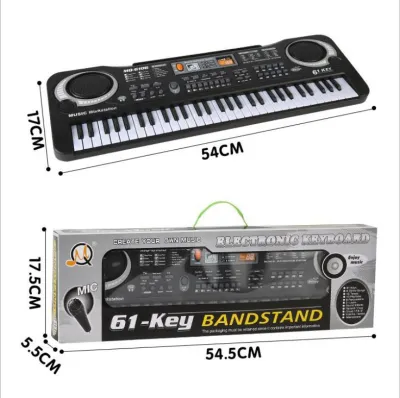
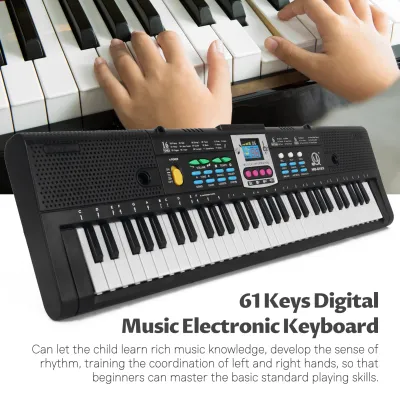
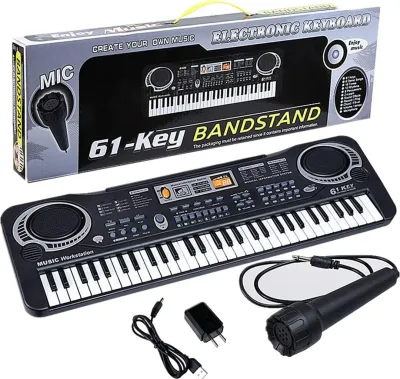
![[✅SG Ready Stock] 61 Key High Quality Music Keyboard Piano kids toys new player beginner Electric Piano](https://img.lazcdn.com/g/p/1f34b80fc1c4ffa462a06ed0ad2ca2fd.jpg_400x400q80.jpg_.webp)
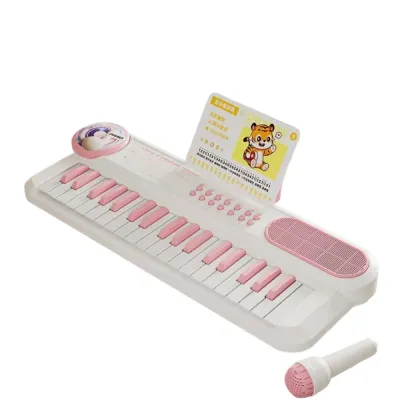
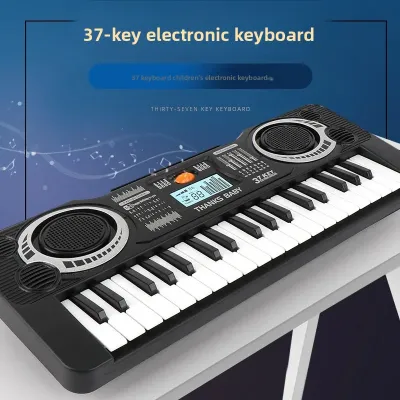
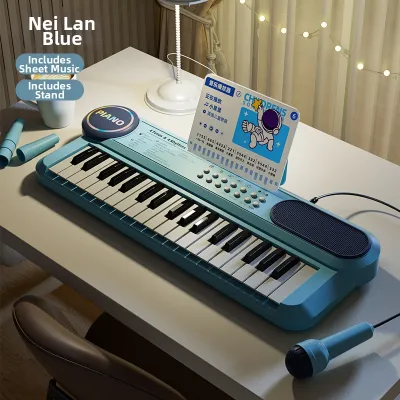
Prices are valid at publication and may change. Please refer to the product page for the latest price.
For toddlers and young children under six years old who are exploring music casually, a 61-key keyboard is often sufficient. These instruments have a much smaller physical footprint, making them easy to store away in smaller apartments or place on a study desk. They allow children to learn basic melodies and simple two-handed patterns without feeling overwhelmed by a massive instrument.
However, as a student progresses to formal lessons and standard classical repertoire, a full 88-key instrument becomes essential. Classical music and modern graded exam pieces quickly expand beyond the range of smaller keyboards. If your child is starting formal piano lessons, investing in an 88-key keyboard from the beginning prevents the need to purchase a replacement instrument within the first year or two of study.
Touch Sensitivity vs. Weighted Keys: What Is the Difference?
Understanding key action is the most critical part of buying a keyboard. Parents often confuse touch sensitivity with weighted keys, but they serve entirely different purposes in a child’s musical development.

Touch sensitivity means the keyboard sensors detect how hard or soft a key is pressed, adjusting the volume of the sound accordingly. If a child presses a key gently, it plays quietly; if they strike it quickly, it plays loudly. This feature is essential for teaching early dynamics and musical expression, and it should be the absolute minimum requirement for any keyboard you purchase.
Weighted keys, on the other hand, use mechanical weights or hammer-action simulation to mimic the physical resistance of an acoustic piano’s keys. This resistance is crucial for building finger strength, dexterity, and proper hand posture. Without weighted keys, a child accustomed to a light plastic keyboard will struggle to produce sound and maintain control when playing on an acoustic piano during lessons or exams.
If your budget is limited and your child is a casual beginner, a touch-sensitive keyboard is an acceptable starting point. However, if your child is taking formal lessons, a keyboard with fully weighted keys is non-negotiable. It ensures that the physical habits they build during home practice translate directly to the instrument they use in their lessons.
Essential Hardware vs. Distracting Extras
Keyboard manufacturers often pack entry-level instruments with hundreds of built-in sounds, backing rhythms, and light-up keys to appeal to young players. While these features can provide initial entertainment, they can also distract children from developing fundamental reading and listening skills.
Instead of focusing on digital sound libraries, prioritize practical hardware specifications. An adjustable stand is essential to ensure the keyboard sits at the correct height for your child’s posture, preventing wrist strain. You should also verify that the keyboard has a standard sustain pedal jack, as learning to use the damper pedal is a key part of early piano instruction.
In high-density housing environments, a headphone jack is another indispensable feature. It allows your child to practice at any time of day without disturbing the household or neighbors, which can encourage more frequent practice sessions. Look for standard 1/4-inch or 3.5mm headphone outputs that match your existing headphones.
Basic connectivity, such as a USB-to-Host port (often referred to as USB MIDI), is highly useful if you plan to connect the keyboard to a tablet or computer. This allows your child to use educational software and interactive learning apps, which can help keep them engaged during practice.
How to Match Specs to Your Child's Learning Stage
To make the final decision easier, match the keyboard specifications directly to your child’s current stage of learning and your household constraints.
For a casual beginner under six years old, prioritize portability and low-pressure exploration. A 61-key, touch-sensitive keyboard without weighted keys is lightweight, affordable, and easy to move around. This allows you to gauge your child’s long-term interest without a significant financial commitment.
For a serious beginner of any age who is enrolled in formal weekly lessons, prioritize an 88-key keyboard with fully weighted hammer action. This setup closely replicates the experience of playing an acoustic piano, ensuring your child builds the correct muscle memory and finger strength from day one.
Before making any purchase, always consult your child’s music teacher. Many instructors have specific guidelines regarding the minimum key count and action type they require for home practice to ensure the student can successfully complete their weekly assignments.
Frequently Asked Questions (FAQ)
Can a child learn piano on a keyboard without weighted keys?
Yes, a child can learn basic note reading, rhythm, and simple melodies on a non-weighted keyboard. It is a practical and budget-friendly way to test their interest. However, as they progress to two-handed pieces and dynamic classical repertoire, they will need to upgrade to a weighted keyboard to build the necessary finger strength and control.
Do I need to buy an acoustic piano instead of a digital keyboard?
No, you do not need to buy an acoustic piano right away. High-quality digital keyboards and digital pianos offer significant advantages for modern households, including space-saving designs, no tuning maintenance costs, and headphone jacks for quiet practice. A digital instrument with 88 weighted keys is an excellent, practical starting point that can support a student through several years of formal lessons.
Community discussion
Share your experience or ask a question. Comments are reviewed before publication.