
Selecting your first cajon drum box is an exciting step into the world of percussion, but the sheer variety of options can quickly feel overwhelming. To make an informed choice, you must focus on how the instrument’s materials, internal snare mechanisms, and physical dimensions come together to shape its sound and playability. By understanding these core specifications, you can avoid common beginner pitfalls and select an instrument that fits both your musical style and your physical comfort.
A great cajon should offer a clear distinction between its deep bass tones and its sharp, high-pitched slaps. Achieving this balance requires looking closely at the construction details rather than relying solely on brand names or aesthetic designs. Whether you plan to play in casual acoustic circles, practice at home, or perform on stage, evaluating these physical characteristics beforehand ensures your instrument remains a joy to play for years to come.
Understanding Cajon Wood Types and Tonal Impact
The wood species used to construct a cajon drum box directly dictates its resonance, projection, and overall tonal color. When evaluating a cajon, it is important to distinguish between the front plate, known as the tapa, and the surrounding body shell. The tapa is the thin playing surface that vibrates when struck, while the thicker body shell acts as the acoustic chamber that amplifies and shapes the sound.
Products mentioned in this guide
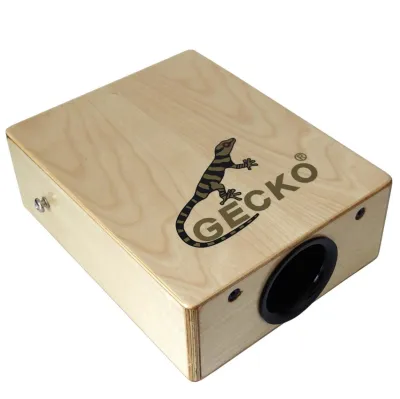

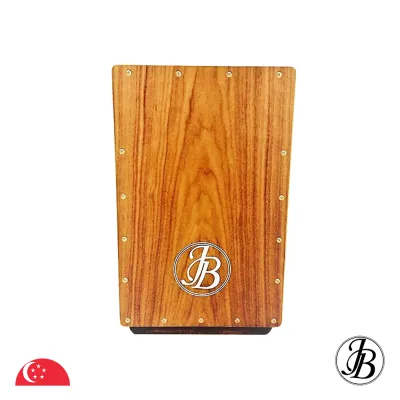
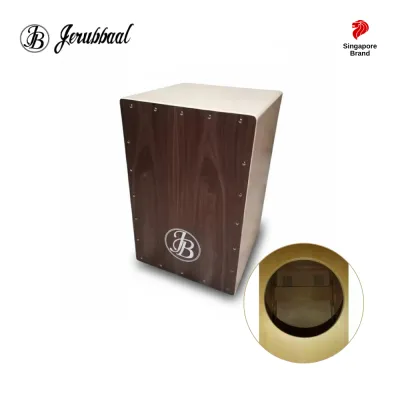
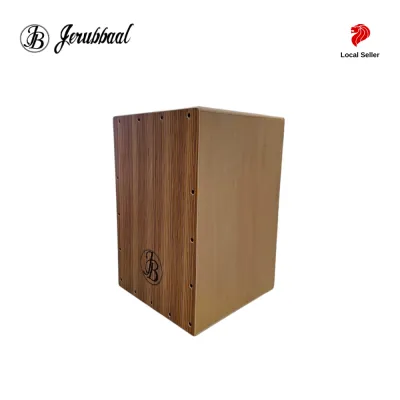
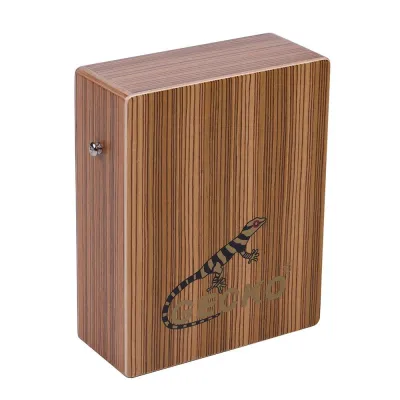
Prices are valid at publication and may change. Please refer to the product page for the latest price.
For the front plate, birch and maple are highly popular choices in mid-range models due to their balanced frequency response. Birch delivers crisp, bright high-end slaps and a punchy, defined bass, making it highly versatile for modern acoustic pop and rock. Maple offers a slightly warmer character with excellent projection, ensuring your rhythms cut through the mix during unplugged jam sessions.
Budget-friendly entry-level models often utilize medium-density fiberboard (MDF) or industrial plywoods like basswood for the body shell, paired with a hardwood tapa. While fiberboard bodies do not possess the complex resonance of solid wood, they provide a highly stable, consistent sound and excellent structural durability at a lower price point. This makes them a practical, low-maintenance option for beginners who are still testing their commitment to the instrument.
If you prefer a deeper, more traditional acoustic tone, look for body shells made from mahogany or oak. Mahogany produces a rich, warm low-end with prominent mid-range frequencies, which is ideal for slower, soulful acoustic sets. Oak, on the other hand, is incredibly dense and durable, offering powerful volume and a sharp, aggressive projection that suits outdoor street performances.
Snare Systems vs. String Systems: Which Sound Do You Need?
The internal mechanism of a cajon drum box defines its snare effect, which mimics the crisp rattle of a traditional drum kit’s snare drum. Beginners generally choose between two primary internal configurations: snare wire systems and guitar string systems. Each system produces a distinct sound profile and requires a different level of maintenance.

Snare wire systems utilize cut-in-half metal snare wires mounted against the back of the front plate. This design delivers a modern, punchy sound with a very clear separation between the low-end bass in the center and the sharp slap at the top corners. Because the wires are usually fixed or simple to adjust, snare-system cajons are highly beginner-friendly, requiring virtually no technical setup to sound great right out of the box.
In contrast, string systems employ two or more guitar strings stretched vertically against the rear of the tapa. This setup produces a highly sensitive, sizzly buzz that responds beautifully to delicate finger rolls and lighter touches, making it the traditional choice for flamenco and world music. However, string systems are more sensitive to temperature and humidity changes, meaning they require periodic tuning using an Allen key to maintain the correct tension and prevent unwanted rattling.
When choosing between the two, consider your primary musical interests and your willingness to perform basic instrument maintenance. If you want a plug-and-play instrument for rock, pop, or church worship sets, a fixed or adjustable snare wire system is usually the most reliable choice. If you want to explore intricate hand techniques, flamenco rhythms, or highly dynamic acoustic styles, the expressive sensitivity of a string system is worth the occasional tuning effort.
Evaluating Size, Build Quality, and Ergonomics
Finding a cajon that matches your physical frame is crucial for preventing back strain and ensuring comfortable playing sessions. Standard full-size cajons typically measure approximately 30 by 30 by 50 centimeters. This size provides the largest internal acoustic chamber, resulting in a deep, resonant bass response and maximum volume projection suitable for adult players.
For younger players, smaller adults, or those with limited storage space, compact or travel-sized variants are excellent alternatives. While these smaller models sacrifice some low-end bass depth and overall volume, they are incredibly portable and allow players with shorter torsos to sit comfortably without overextending their arms. Always sit on the instrument before purchasing to ensure your hands can naturally reach the sweet spots on the front plate.
Build quality requires a close physical inspection of the joints and internal construction. Examine the corner joints of the body shell; they should be perfectly flush, seamless, and free of visible glue squeeze-out, which can indicate rushed manufacturing. Use a smartphone flashlight to peer inside the sound port to verify that the internal corner bracing is clean and secure, as loose internal blocks can cause distracting vibrations over time.
Ergonomic details significantly impact your playing comfort during extended practice sessions. Look for models with rounded corners and sanded edges along the top and sides, which prevent the wood from digging into your hands and thighs. Additionally, high-quality rubber feet are essential; they prevent the cajon from sliding on smooth tiled or hardwood floors, protect the bottom wood from moisture, and acoustically isolate the instrument to keep the bass tones clean.
Building Your Beginner Cajon Shortlist
To build a practical shortlist, start by establishing a clear budget and matching it to your functional needs. For a modest budget under S$100, focus on finding a structurally sound plywood cajon with a fixed snare system from a reputable manufacturer. If your budget extends to S$150 or S$300, prioritize models featuring birch or maple tapas, adjustable snare or string systems, and superior joint construction.
When testing potential instruments in a local music shop, perform a systematic sound check to identify any manufacturing defects. Strike the center of the front plate with a relaxed palm to evaluate the bass response; the tone should sound deep and decay quickly without a lingering, metallic ring. Next, strike the top corners to test the slap sound, ensuring the snare effect activates instantly and shuts off cleanly without bleeding heavily into your bass notes.
Before finalizing your purchase, verify what accessories are included in the package. A padded gig bag is highly recommended to protect the thin front plate from scratches and impacts during transport, especially in humid climates where wood is sensitive to environmental shifts. Finally, check the manufacturer’s warranty terms to ensure you are covered against structural defects like wood splitting or joint separation.
Frequently Asked Questions (FAQ)
Do I need to buy a separate cajon pedal or accessories as a beginner?
As a beginner, you do not need to purchase a separate bass pedal or specialized accessories to start learning. Your hands are the only tools required to produce a full range of bass and slap tones. The only essential accessory to consider immediately is a padded gig bag to protect the instrument during transport and storage. You can always add accessories like a shaker, a clip-on pickup, or a bass pedal later as your playing style evolves and you begin performing in larger acoustic ensembles.
How can I test a cajon drum box for defects before purchasing?
To test a cajon drum box for defects, start with a physical tap test across the entire surface of the front plate. Listen closely for any buzzing or rattling that occurs when you tap areas away from the snare wires, which can indicate a loose screw or an unevenly glued seam. Peer inside the sound port with a light to confirm that the internal snare wires or strings are sitting flush against the wood and are not bent, rusted, or broken. Finally, check that the rubber feet are securely attached and that the body sits perfectly flat on the floor without wobbling.
Community discussion
Share your experience or ask a question. Comments are reviewed before publication.