
Quick Guide to Choosing Your First Handpan
Buying your first handpan instrument is an exciting step into the world of intuitive percussion. For most beginners, the ideal starting configuration is a 9-note handpan tuned to a D Minor scale (such as D Kurd), crafted from either stainless steel or nitrided steel. This setup offers a balanced combination of physical comfort, intuitive playability, and a highly forgiving musical layout.
While aesthetic finishes and intricate engravings are visually appealing, your primary focus must always remain on tuning stability, structural integrity, and the reputation of the maker. A well-tuned, stable instrument ensures that every strike produces a clean, resonant tone, allowing you to develop proper playing techniques without the frustration of sour notes.
Selecting the Right Scale for Your Musical Style
The scale of your handpan determines its emotional voice and dictates the musical journeys you can explore. Unlike traditional instruments where you can play any note in Western music, a handpan is limited to a single pre-tuned scale. This means every note on the instrument is designed to harmonize with the others, making it virtually impossible to play a discordant note.
Products mentioned in this guide
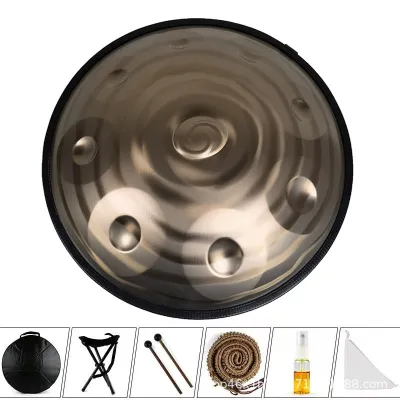
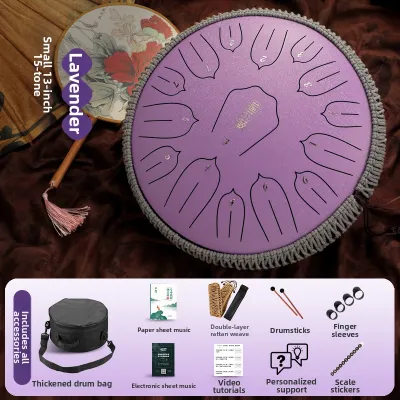
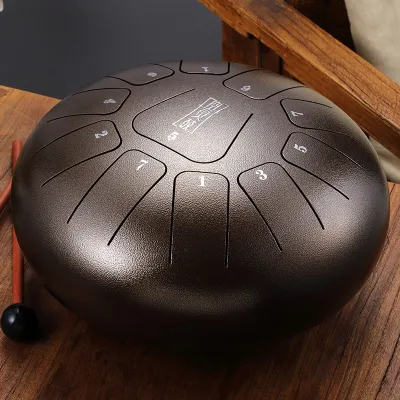
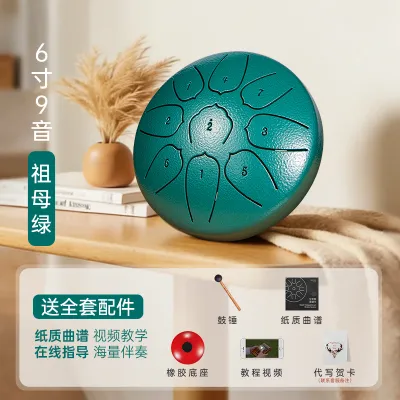

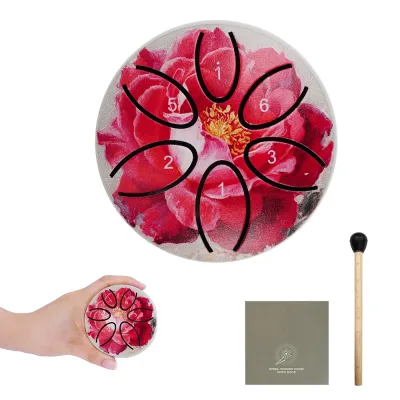
Prices are valid at publication and may change. Please refer to the product page for the latest price.

When exploring scales, you will generally choose between major, minor, and exotic configurations. Major scales deliver a bright, uplifting, and cheerful sound. While pleasant, some players find that major scales can feel musically restrictive over time, especially for solo, meditative, or introspective playing.
Minor scales, such as D Kurd, D Celtic Minor, or Amara, are the most popular recommendations for beginners. These scales offer a deeply contemplative, emotional, and versatile landscape that adapts beautifully to both slow, meditative playing and faster, rhythmic patterns. The natural tension and resolution built into minor scales provide a rich emotional range that keeps players engaged for years.
Exotic or synthetic scales, such as Hijaz or Pygmy, introduce distinct cultural or modal flavors. While incredibly beautiful, these scales can sometimes feel highly specialized. For a first instrument, a versatile minor scale ensures you can play along with other musicians and access a vast library of online tutorials, which are predominantly recorded using standard minor scales.
To evaluate scales effectively, always listen to high-quality audio demonstrations using a good pair of headphones. Pay close attention to how the notes transition and whether the overall mood of the scale aligns with your personal musical goals.
Finding the Ideal Number of Notes for Beginners
The number of notes on a handpan directly influences both its musical versatility and its ease of play. A standard handpan features a central low note, known as the Ding, surrounded by a circle of seven to eight tone fields on the upper shell. This classic 8 or 9-note layout is highly recommended for beginners.
A standard layout provides a complete octave and a half, offering plenty of room to develop complex melodies, rhythmic patterns, and hand independence. Because the notes are spaced generously across the shell, beginners can easily target each tone field without accidentally striking adjacent notes. This spaciousness is crucial for building muscle memory and mastering the light, bouncy touch required to make the instrument sing.
In contrast, extended-range handpans feature additional notes, which may be crowded onto the top shell or placed on the bottom shell. While these instruments offer a wider musical range, they present significant challenges for new players. The tighter spacing increases the risk of accidental dampening, and the complex layout can easily overwhelm your learning process.
Furthermore, fewer notes encourage creative phrasing. When limited to a standard scale, you are forced to explore rhythm, dynamics, and note combinations more deeply. This constraint often leads to more expressive playing and a faster mastery of fundamental percussion techniques.
Comparing Handpan Materials and Sound Characteristics
The material used to construct a handpan plays a critical role in shaping its acoustic profile, sustain, and maintenance requirements. The two most common materials used by modern makers are nitrided steel and stainless steel.
Nitrided steel is traditional carbon steel that has undergone a chemical heat treatment to harden the metal and improve rust resistance. Acoustically, nitrided steel is characterized by a warm, earthy, and ceramic-like tone. It features a shorter sustain and a crisp, percussive attack, making it excellent for fast, rhythmic playing styles where individual notes need to remain distinct.
Stainless steel, on the other hand, offers a highly resonant, bright, and ethereal sound with a very long sustain. The notes sing for a long time, creating a lush, ambient wash of sound that is ideal for slow, meditative playing. Physically, stainless steel is highly resistant to rust, making it an excellent choice for humid climates, such as Singapore, where moisture in the air can quickly degrade untreated metals.
Regardless of the material, you must verify the manufacturer’s specific heat treatment and tuning processes. High-quality makers use precise thermal cycles to relieve stress in the metal, ensuring the instrument holds its tune over time. Do not rely solely on material labels; instead, look for detailed specifications regarding the steel thickness and treatment history.
Maintenance routines also differ by material. Nitrided steel requires regular application of protective oils to prevent oxidation, especially after playing sessions where hand sweat is transferred to the metal. Stainless steel is much more forgiving, requiring only occasional wiping with a microfiber cloth, though it still benefits from basic protective care.
Evaluating Diameter, Size, and Playing Comfort
The physical dimensions of a handpan affect both its acoustic performance and your physical comfort during long playing sessions. Most standard handpans have a diameter ranging from 53 to 56 centimeters and weigh between 4 to 5 kilograms.
This standard size is not accidental; it provides the physical surface area necessary to support deep, resonant bass frequencies, particularly in the central Ding. A standard-sized instrument rests comfortably across the lap of most adults, allowing your arms to drape naturally over the sides to reach the tone fields without straining your shoulders or back.
Smaller travel-sized handpans, typically measuring 45 to 50 centimeters in diameter, are highly portable and convenient for musicians on the move. However, these smaller shells often have a higher overall pitch and a less pronounced bass response. The tone fields are also positioned closer together, requiring highly precise finger strikes and making it easier to accidentally dampen adjacent notes.
When playing, weight distribution is key to preventing fatigue. Resting a full-sized handpan directly on your lap allows you to feel the physical vibrations of the music, which enhances the playing experience. However, if you prefer to play standing or have physical limitations, investing in a dedicated, height-adjustable handpan stand is highly beneficial. Ensure any stand you use supports the instrument securely without clamping down on the rim, which can choke the sustain and alter the pitch.
Building Your Handpan Shortlist and Verifying Sellers
Purchasing a handpan is a significant investment, and navigating the market requires careful verification to avoid low-quality instruments. Because handpans are handcrafted, the skill of the maker is the single most important factor determining the quality of the instrument.
Begin by researching established makers and verifying their tuning guarantees and after-sales support policies. A reputable maker will offer clear guidelines on how to ship the instrument back for retuning and should have a history of positive interactions within the handpan community. Avoid purchasing from mass-market online marketplaces where instruments are sold at suspiciously low prices, such as under S$800. These cheap, mass-produced shells are often poorly tuned, structurally unstable, and impossible for professional tuners to repair.
Always request a high-quality video demonstration of the exact instrument you intend to purchase. The video should show the maker striking each note individually—including the fundamental, octave, and fifth harmonics—as well as playing a fluid melody. This ensures you can verify the tuning accuracy and overall resonance before any money changes hands.
Finally, review the seller’s return policy. A trustworthy maker or specialized retailer will offer a reasonable return window, allowing you to inspect the instrument in person and ensure it meets your expectations.
Frequently Asked Questions (FAQ)
Do I need to buy a handpan stand and bag immediately?
Yes, securing a high-quality, well-padded gig bag or a hard case is absolutely essential from day one. Handpans are highly sensitive to physical impacts and temperature fluctuations; even a minor bump against a hard surface can knock a note out of tune. A dedicated case protects your investment during transport and safe storage at home.
While a stand is not strictly necessary immediately—as playing on your lap is the traditional and most ergonomic method—it can be a useful accessory. If you do choose to use a stand, ensure it is specifically designed for handpans. Avoid using standard snare drum stands unless they are heavily padded, as metal-on-metal contact or excessive clamping force can damage the bottom shell and ruin the instrument’s resonance. Never rest your handpan directly on hard floors or abrasive surfaces.
How often does a handpan need to be retuned?
Under normal playing conditions, a high-quality handpan should hold its tune for one to two years before requiring minor adjustments. However, this timeline depends heavily on how the instrument is treated. Physical impacts, hard striking with mallets or heavy hands, and exposure to extreme heat (such as leaving the instrument in a hot car) can cause rapid detuning.
You can monitor pitch drift by using a digital tuning application to check the fundamental pitch of each note over time. If you notice a note sounding dull, buzzy, or slightly flat, it is time to contact a professional. Always prioritize buying from makers who offer reliable retuning services or can recommend authorized local tuning partners, as retuning a handpan is a highly specialized craft that requires expert hands.
Community discussion
Share your experience or ask a question. Comments are reviewed before publication.