
Quick Answer: Which Material Offers the Best Protection?
Carbon fiber generally offers the highest strength-to-weight ratio for daily transport, making it the most manageable option for active commuters. Fiberglass provides durable, highly impact-resistant protection at a more accessible price point, though its heavier weight can cause fatigue during long walks. Wood shell cases offer traditional rigidity and excellent natural temperature insulation, but their substantial weight typically limits them to stationary storage or minimal travel.
Your optimal choice depends heavily on your daily transit environment. Navigating busy MRT stations, climbing stairs, and walking through sheltered walkways in a humid climate demands a case that balances physical manageability with robust structural integrity.
Ultimately, the outer shell is only one part of the protective equation. An advanced internal suspension system and a precise, customized fit are equally critical to prevent the instrument from shifting and absorbing harmful kinetic energy during sudden stops or accidental bumps.
Products mentioned in this guide
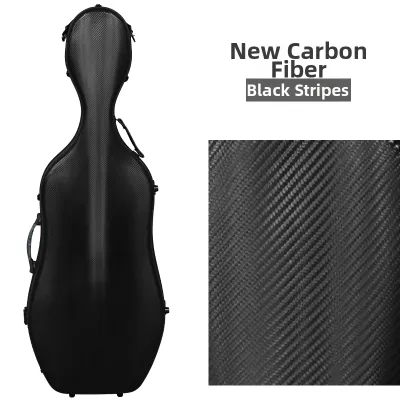
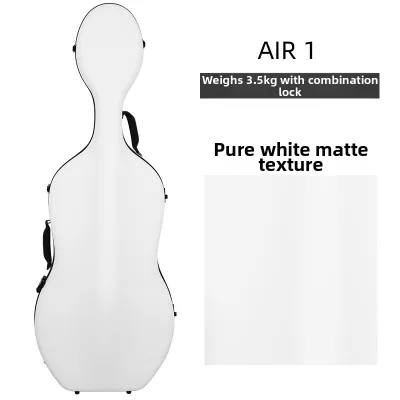
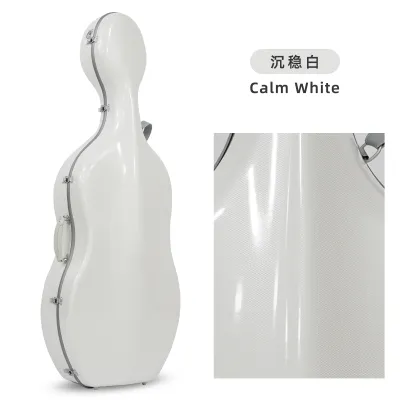
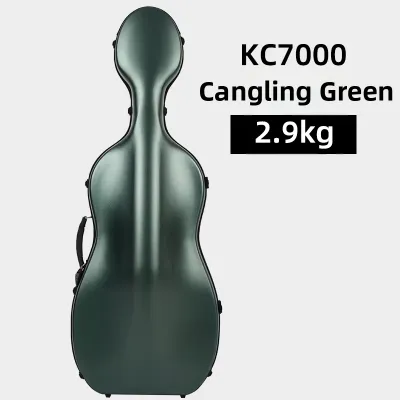
Prices are valid at publication and may change. Please refer to the product page for the latest price.
Comparing Cello Hard Case Materials for Daily Commuting
Selecting the right cello hard case requires a careful evaluation of how different materials perform under the physical stresses of daily travel. The primary criteria to consider include impact resistance, carrying weight, temperature buffering, and long-term durability against cracking or denting. Each material handles these challenges differently, meaning a case that excels in a car trunk might prove exhausting on a long walking commute.

When evaluating options, look closely at the manufacturer’s detailed specifications rather than relying solely on broad material categories. A shell labeled “carbon fiber” can vary significantly in performance depending on the ratio of carbon weave to binding resin, as well as the presence of reinforcing layers in high-stress areas. Understanding these nuances helps you identify a case that offers genuine structural protection rather than just an attractive exterior.
Carbon Fiber Cases
Carbon fiber is highly favored by active musicians due to its remarkable strength-to-weight ratio. A high-quality carbon fiber case can weigh significantly less than its fiberglass or wood counterparts, often saving several kilograms of carrying weight. This weight reduction is a crucial advantage when navigating busy transit hubs, climbing pedestrian overpasses, or boarding buses during peak hours.
However, the manufacturing process for premium carbon fiber requires precision, which is reflected in a higher retail price, often starting around S$1,000 and rising significantly for ultra-lightweight models. It is essential to verify the construction quality, as lower-end carbon fiber blends may use cheaper resins or thinner walls that compromise structural rigidity. A poorly constructed shell can flex excessively under pressure, potentially transferring impact forces directly to the cello bridge or top plate.
Another physical characteristic of carbon fiber is its high thermal conductivity. The material transfers external temperature changes rapidly to the interior of the case. In a tropical climate where you frequently transition from hot, humid outdoor air to heavily air-conditioned indoor spaces, this rapid temperature shift can stress the wood of your instrument. To mitigate this, look for carbon fiber cases that feature thick, high-density foam padding or consider using an insulated outer cover to buffer the internal microclimate.
Fiberglass Cases
Fiberglass remains a highly popular and dependable standard for everyday instrument protection. This material is naturally resilient and excels at absorbing impact energy by flexing slightly under stress, which helps isolate the instrument from sharp jolts. For musicians seeking robust protection without the premium cost of carbon fiber, fiberglass offers an excellent balance of durability and value.
The primary trade-off with fiberglass is its physical weight. These cases are noticeably heavier than carbon fiber models, often adding several kilograms to your daily carrying load. Over long walks or extended periods of standing on public transit, this extra weight can contribute to shoulder strain and physical fatigue. If your daily commute involves minimal walking and relies primarily on private vehicles or short transfers, the weight of a fiberglass case may be a minor inconvenience compared to the cost savings.
In terms of wear, fiberglass is highly durable but prone to cosmetic surface scratches and scuffs over time. While these marks rarely compromise the structural integrity of the shell, they do show the wear of daily travel. When evaluating a fiberglass case, pay close attention to the quality of the latches, hinges, and strap anchors. Because the case itself is heavier, these hardware components experience greater mechanical stress during daily handling and must be exceptionally robust to ensure long-term reliability.
Wood Shell and Plywood Cases
Traditional wood shell and plywood cases offer a time-tested approach to instrument protection, valued for their natural structural rigidity. The dense structure of a wood shell provides excellent resistance to crushing forces, ensuring the case maintains its shape even under external pressure. Additionally, wood possesses natural thermal insulation properties, offering a superior buffer against rapid temperature and humidity changes compared to synthetic materials.
Despite these protective benefits, wood cases present significant practical challenges for the modern commuter. They are typically the heaviest option available, making them highly cumbersome for daily travel over any significant distance. Carrying a heavy wood case up stairs or through crowded streets can quickly become physically exhausting, increasing the risk of accidental drops due to fatigue.
Furthermore, wood is inherently vulnerable to moisture and humidity. In highly humid environments, any compromise in the outer protective seal can allow moisture to penetrate the wood shell, potentially leading to warping or structural weakening over time. To prevent this, wood cases are almost always wrapped in a heavy-duty outer covering, such as water-resistant nylon or synthetic leather. It is crucial to inspect this outer layer regularly for tears or wear, as it serves as the primary defense protecting the wooden core from wet weather and daily abrasions.
Critical Construction Features for Transit Safety
While the outer shell material defines the case’s basic physical properties, the internal construction features ultimately determine how well your cello survives a fall or a sudden impact. The most critical internal feature is a high-quality suspension system. A true suspension case uses strategically placed, high-density foam pads to support the cello at its strongest structural points, such as the upper and lower bouts. This design ensures that the back, ribs, and scroll of the instrument float suspended in the air, completely isolated from the outer shell. If the case is dropped, the foam pads compress to absorb the shock, preventing the destructive transfer of kinetic energy directly to the fragile wood of the cello.
In addition to the suspension pads, the neck and scroll require dedicated support. Look for cases that feature a wide, secure neck restraint strap, typically fastened with heavy-duty hook-and-loop material or a mechanical buckle. This strap holds the neck firmly against a padded block, preventing the instrument from shifting forward or backward inside the case. The scroll pocket should be deep and generously cushioned, ensuring that even if the case tips forward, the scroll never makes contact with the hard interior walls of the shell.
The structural integrity of the case’s opening is another vital safety factor. High-quality cases feature reinforced rims, often constructed from aluminum or rigid synthetic valances, where the lid meets the shell. This interlocking rim system ensures that the two halves of the case align perfectly every time it is closed, creating a tight seal that resists dust and moisture. More importantly, these reinforced rims prevent the case from twisting or collapsing under lateral pressure, which is a common hazard when traveling in crowded train cars or packing the instrument alongside other luggage.
The hardware securing the case must also be designed for high-stress environments. Heavy-duty latches should close with a positive, audible click and require deliberate force to open, reducing the risk of accidental opening during transport. Recessed latches are highly beneficial for daily commuters, as they sit flush with the case shell and are far less likely to snag on clothing, turnstiles, or handrails.
Finally, consider the internal storage layout for accessories and bows. Loose items inside a case can cause severe cosmetic and structural damage if they shift during transit. Ensure the case features secure bow holders, preferably with magnetic clasps or rotating spinners that prevent the bows from coming loose. A dedicated, zippered accessory compartment is also essential for storing rosin, cleaning cloths, and spare strings safely away from the body of the cello.
Verifying Fit, Suspension, and Handling Before Purchase
Before investing in a cello hard case, you must verify that the internal dimensions are a precise match for your specific instrument. Cellos are not standardized, and variations in pattern, arching, and bout width can prevent a cello from fitting securely in a generic case. Do not rely solely on standard size designations like “4/4” or “full size.” Instead, take accurate measurements of your cello’s total length, upper bout width, lower bout width, and the height of the bridge. Compare these measurements directly against the manufacturer’s detailed internal dimensions to ensure a snug fit that prevents lateral movement without putting pressure on the bridge or top plate.
Once you have confirmed the fit, evaluate the case’s physical handling and balance. A case that feels comfortable when empty can behave very differently once loaded with a cello, bows, and accessories. When fully packed, the case should stand stably on its side or end without tipping over easily. A poorly balanced case that constantly leans or sways can put unnecessary strain on your wrist and shoulder, making it much harder to control in tight spaces and increasing the risk of accidental drops.
The design of the carrying straps and handles is equally important for daily ergonomics. Look for wide, heavily padded backpack straps equipped with safety cables or locking carabiners to prevent sudden strap failure. The primary carrying handle should be securely bolted to the shell and feature a comfortable, ergonomic grip that distributes the weight evenly across your hand. Side handles and subway straps (located near the top scroll area) are also highly useful for maneuvering the case in tight spaces, such as crowded lifts or narrow train aisles.
Lastly, consider the long-term maintenance and viability of the case. Daily commuting subjects a case to constant wear, and components like wheels, handles, and latches will eventually require maintenance or replacement. Check the manufacturer’s warranty terms and verify whether replacement parts are readily available for purchase. Investing in a brand that offers easily replaceable hardware ensures that a single broken latch or worn-out wheel does not render your entire case unusable, protecting your investment for years to come.
Frequently Asked Questions (FAQ)
Are flight cases necessary for daily local transport?
Flight cases are specifically engineered to withstand the extreme forces of airline cargo handling and baggage conveyor systems. To achieve this level of protection, they are constructed with exceptionally thick, heavy shells and robust external reinforcement, often resulting in a total weight exceeding 10 kg. This extreme weight and bulk make flight cases highly impractical and physically exhausting for daily local commuting on foot or public transit. For regular local travel, a high-quality standard hard case equipped with a reliable internal suspension system provides more than enough protection against daily bumps while remaining light enough to carry comfortably.
How should I maintain the latches and hinges on my hard case?
To ensure your hard case remains secure and easy to operate, perform regular visual inspections of all hardware components. Check for loose screws, misaligned latches, or signs of wear on the hinges that could compromise the case’s seal. Keep the moving parts clean and dry, especially after traveling in rainy weather. If a latch becomes stiff, consult the manufacturer’s care guidelines before applying any lubricants; using the wrong type of oil can attract abrasive dirt or degrade the surrounding shell materials.
Community discussion
Share your experience or ask a question. Comments are reviewed before publication.