
Finding the right Chinese non-fiction books for adult self-improvement requires a deliberate approach that goes beyond simply picking a bestseller off a shelf. Because personal growth is highly subjective, the most impactful book is one that directly addresses your current life stage, matches your reading proficiency, and offers practical, verifiable strategies rather than generic motivation. By focusing on structured evaluation methods—such as assessing an author’s real-world credentials, choosing the appropriate script format, and utilizing trusted local resources in Singapore—you can build a purposeful reading list that delivers genuine, long-term value.
Identify Your Focus: Core Categories of Self-Improvement Non-Fiction
To make meaningful progress, you must first categorize your immediate growth objectives. Chinese self-improvement literature generally falls into three distinct pillars, each serving a different developmental need. Pinpointing where you require the most support prevents information overload and ensures your reading time translates into actionable change.
The first major category centers on mindset and psychological resilience. These books focus on cognitive reframing, emotional regulation, and developing mental toughness to navigate modern stressors. Authors in this space often blend contemporary psychological theories with traditional philosophical concepts, offering unique frameworks for managing anxiety, building self-esteem, and understanding interpersonal dynamics. If you find yourself struggling with burnout, decision fatigue, or emotional reactivity, prioritizing books in this category can help you establish a more stable internal foundation.
Products mentioned in this guide

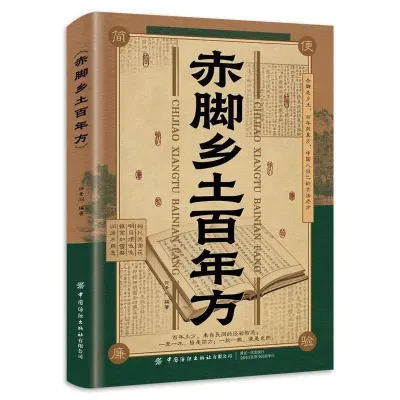
Prices are valid at publication and may change. Please refer to the product page for the latest price.
The second category targets productivity, time management, and practical habit formation. Rather than focusing on abstract concepts, these works provide concrete systems to optimize your daily routines, eliminate procrastination, and manage your cognitive load. You will find methodologies for structuring your workday, setting realistic goals, and maintaining focus in an increasingly distracted digital environment. This category is highly suited for professionals looking to streamline their workflows or individuals attempting to master new skills systematically.
The third category covers career navigation, financial literacy, and essential adult life skills. These books address the practical realities of professional advancement, workplace communication, and personal financial management. In the context of highly competitive professional landscapes, such as those found in Singapore, these resources offer valuable guidance on negotiating career transitions, understanding market dynamics, and building long-term financial security. Selecting books in this domain helps you bridge the gap between academic knowledge and practical real-world execution.
Evaluate Quality: How to Select the Right Book for Your Needs
With thousands of self-help titles published annually, separating high-quality, transformative literature from superficial motivational writing is essential. The first step in this evaluation process is verifying the author’s professional background and real-world experience. A credible self-improvement book should be written by an individual with established expertise in their field, whether they are a practicing psychologist, a seasoned corporate executive, or an academic researcher. Be cautious of authors whose sole credential is writing self-help books; instead, look for those who draw upon empirical research, clinical case studies, or documented professional achievements to support their claims.

Another critical decision point is choosing between original Chinese works and translated international bestsellers. Original Chinese non-fiction often provides a more direct cultural alignment, addressing specific societal pressures, family dynamics, and workplace hierarchies that resonate deeply with Asian readers. These works frequently incorporate cultural nuances and idioms that make the advice feel more intuitive and applicable. Conversely, translated international works can offer excellent global perspectives, but they may occasionally lose some practical relevance if the examples or case studies rely heavily on Western corporate structures or social norms.
To gauge a book’s actual utility before purchasing, you should analyze reader reviews with a critical eye. Look past superficial praise, highly emotional recommendations, or reviews that merely quote inspirational passages. Instead, seek out detailed reviews that discuss the book’s structural depth, the clarity of its frameworks, and the specific actions the reader was able to implement. If multiple reviewers note that a book’s core thesis could have been summarized in a single blog post, it may lack the depth required for meaningful study. Conversely, reviews that debate the merits of specific chapters or share personal implementation challenges often indicate a text with substantial, thought-provoking content.
Verify Formats, Editions, and Compatibility Before Purchasing
Before finalizing any purchase, you must verify that the book’s format and edition align with your reading habits and technical setup. A primary consideration for Chinese literature is the choice between Simplified Chinese and Traditional Chinese characters. While readers in Singapore are generally more accustomed to Simplified Chinese through formal education, Traditional Chinese editions—often published in Taiwan—frequently offer a wider selection of translated international titles and niche non-fiction. Ensure you are comfortable with the script style of the edition you select, as reading speed and comprehension can drop significantly if you are unfamiliar with the characters.
If you prefer digital reading, pay close attention to e-book formats and digital rights management restrictions. Chinese e-books are commonly distributed in EPUB or PDF formats, but compatibility varies widely across different e-reader devices and applications. Some online marketplaces use proprietary formats that require specific apps, which may not sync seamlessly with your preferred e-ink device. Before buying, check whether the file can be exported or if it requires a dedicated reading platform, and confirm that your device supports Chinese font rendering to avoid issues with missing or corrupted characters.
For those who integrate learning into their daily commutes or exercise routines, audiobooks are an increasingly popular format. However, audiobook quality depends heavily on narration style, regional accents, and production standards. Some platforms offer professional voice actors who deliver clear, standard pronunciation, while others rely on automated text-to-speech engines that can sound robotic and disrupt comprehension. Additionally, verify platform exclusivity and device compatibility; some audiobook services require ongoing subscriptions or specific mobile applications that may not be fully supported on all operating systems.
Discover Reliable Booklists and Trusted Review Sources
Navigating the vast sea of self-improvement literature requires relying on trusted curation rather than algorithmic recommendations, which often prioritize sponsored content or fleeting trends. Independent book review platforms and dedicated literary communities are excellent starting points. Look for platforms that allow users to assign detailed ratings, write comprehensive critiques, and compile themed booklists. Literary awards focusing on non-fiction and curated lists from respected educational institutions also provide highly reliable benchmarks for quality.
In Singapore, local library networks offer an outstanding, cost-effective resource for discovering high-quality Chinese non-fiction. The National Library Board maintains an extensive collection of both physical and digital Chinese books, allowing you to preview titles before committing to a purchase. Engaging with local community reading groups, cultural organizations, or library-hosted book clubs can also expose you to peer recommendations that have been vetted by readers with similar cultural and professional backgrounds. These communities often discuss how they apply the books’ concepts within the local context, adding a layer of practical relevance.
When browsing online bookstores or digital marketplaces, make it a habit to filter reviews by verified purchases to filter out promotional spam. Pay attention to the distribution of ratings; a book with a highly polarized rating distribution often indicates a controversial or highly specific approach, whereas a consistently high rating with detailed, moderate reviews suggests broad, reliable utility. By combining these diverse discovery channels, you can curate a high-quality reading list tailored precisely to your personal development goals.
Frequently Asked Questions (FAQ)
How to Assess the Translation Quality of Imported Self-Help Books
Evaluating the translation quality of an imported self-help book is crucial, as poor localization can obscure valuable insights. Start by researching the translator’s credentials; a translator with a background in psychology, business, or the book’s specific subject matter is more likely to preserve the author’s original intent. Whenever possible, read a sample chapter or the introduction before purchasing. Look for natural phrasing, clear sentence structures, and appropriate terminology rather than literal, word-for-word translations that feel clunky. Finally, check online reader forums and review platforms, as engaged readers frequently comment on whether a translation is fluent or if it suffers from awkward phrasing and mistranslated concepts.
Physical Books vs. E-books: Which Format Maximizes Retention?
Choosing between physical books and e-books depends on your study habits and how you process information. Physical books are highly effective for deep study and active retention, as the tactile experience of turning pages and physically writing notes in the margins helps reinforce memory. They also eliminate screen fatigue, making them ideal for long, uninterrupted reading sessions before sleep. On the other hand, e-books offer unparalleled portability, allowing you to carry an entire library on a single lightweight device. Digital formats also provide powerful search capabilities, instant dictionary lookups for unfamiliar Chinese characters, and the ability to export highlighted text directly into digital note-taking applications for future review.
Community discussion
Share your experience or ask a question. Comments are reviewed before publication.