
To find a reliable beginner ukulele in Singapore, focus on brands that prioritize structural stability, consistent factory quality control, and local retail support. While high-end tonewoods are appealing, a first-time player needs an instrument that stays in tune, feels comfortable under the fingers, and can withstand the region’s high relative humidity. Brands like Kala, Cordoba, and Yamaha are widely regarded as excellent starting points because they offer durable laminate options and reliable quality control at accessible price points.
Choosing your first instrument is an exciting step, but the sheer variety of options can be overwhelming. By understanding the physical characteristics of the instrument and knowing how to evaluate different brands, you can avoid common pitfalls like high action, poor intonation, and structural warping. This guide will help you navigate the key factors to consider, from body sizes and materials to local purchasing channels and essential inspection steps.
What to Look for in a Beginner Ukulele
When shopping for your first ukulele, the physical dimensions and construction materials will directly impact how easy the instrument is to play and how well it survives over time.
Products mentioned in this guide
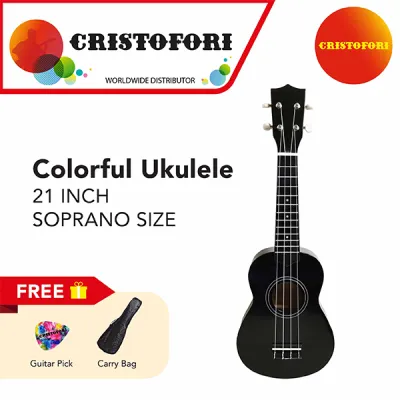
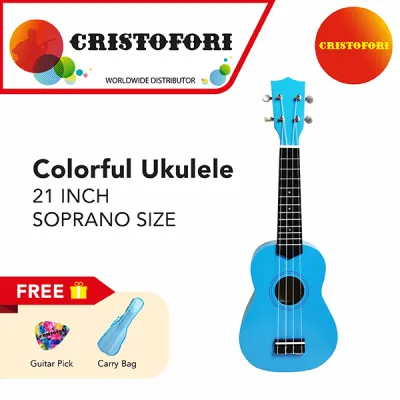
Prices are valid at publication and may change. Please refer to the product page for the latest price.
The first decision you will face is selecting the right size. Ukuleles primarily come in three standard sizes: soprano, concert, and tenor. The soprano is the traditional size, measuring about 21 inches. It produces a bright, classic sound but has a shorter fretboard with closely spaced frets, which can feel cramped for players with larger hands. The concert size, at around 23 inches, offers a slightly longer neck and wider fret spacing, making it a highly popular and comfortable choice for adult beginners. The tenor size, measuring 26 inches, provides the deepest tone and the most room on the fretboard, which is ideal for fingerpicking and complex chord shapes.
The choice of materials is particularly critical in Singapore’s tropical climate. Standard musical instruments are made of wood, which naturally expands and contracts with changes in humidity. Solid wood instruments, while offering richer resonance and tonal complexity, are highly sensitive to environmental shifts. In Singapore, where relative humidity often hovers around 80% or higher, moving a solid wood ukulele from a humid outdoor environment into a dry, air-conditioned room can cause the wood to warp, crack, or lift at the bridge. For beginners, laminate wood is highly recommended. Laminate consists of thin layers of wood pressed together. This cross-grained construction makes laminate ukuleles exceptionally stable, durable, and resistant to humidity fluctuations, ensuring your instrument remains playable for years with minimal maintenance.
Beyond size and materials, you must evaluate the instrument’s action and intonation. Action refers to the height of the strings above the fretboard. If the action is too high, you will have to press down hard to fret notes, leading to sore fingers and discouraging practice sessions. If the action is too low, the strings will vibrate against the frets, causing an annoying buzzing sound. Intonation refers to the instrument’s ability to play in tune across the entire length of the fretboard. A ukulele with poor intonation might sound perfectly in tune when you play an open chord, but sound noticeably out of tune as you play higher up the neck. Checking these structural details before buying ensures a much smoother learning curve.
Widely Recognized Entry-Level Ukulele Brands
For beginners, choosing a brand with a strong reputation for quality control is far more important than seeking out exotic woods or decorative designs. Established global brands have standardized manufacturing processes that ensure consistent playability across their entry-level lines.

Kala is widely considered a benchmark brand for beginner ukuleles. Based in California but distributed globally, Kala offers an extensive range of entry-level instruments, including their highly popular Makala series. These instruments are known for their reliable construction, comfortable neck profiles, and consistent setup out of the box. Kala also produces composite plastic models, such as the Waterman series, which are virtually impervious to weather changes and outdoor use, making them highly durable options for casual players.
Cordoba is another highly respected brand, particularly famous for its classical guitars. Their ukulele lineup carries over this traditional Spanish building philosophy, often featuring slightly wider nut widths that provide more room for finger placement. Cordoba’s entry-level models typically feature clean aesthetics, lightweight construction, and a warm, resonant tone that appeals to players looking for a more traditional acoustic experience.
Fender and Yamaha also offer compelling options for beginners. Fender brings its iconic electric guitar heritage to the ukulele world, featuring unique headstock shapes and modern finishes that stand out visually. Their instruments often feature slim neck profiles that are very comfortable for smaller hands. Yamaha, known for its legendary quality control across all musical instruments, produces highly durable, utilitarian ukuleles that focus heavily on structural integrity and reliable tuning stability, making them excellent workhorse instruments for classrooms and self-study.
While many prominent brands are headquartered in the US, the UK, or Japan, their entry-level models are widely distributed globally. When researching these brands, remember that consistent factory setup and quality assurance are what truly matter. A basic laminate model from a reputable brand with strict quality control will almost always play better and last longer than a poorly constructed solid-wood instrument from an unbranded source. Before making a purchase, verify the current availability of the specific model you want, check what accessories are included in the package, and confirm the manufacturer’s warranty terms.
Evaluating Brand Support and Retail Channels in Singapore
Where you buy your ukulele is just as important as the brand you choose. In Singapore, you have several purchasing channels, each offering different levels of support, setup services, and warranty protection.
Authorized local music stores and specialized acoustic showrooms are generally the best places to buy your first instrument. Visiting a physical store allows you to hold different sizes, feel the neck shapes, and hear the tonal differences in person. Furthermore, established local retailers often employ in-house technicians who inspect and set up instruments before they are placed on the showroom floor or sold to customers. This initial setup can make a massive difference in how comfortable the instrument feels to play.
In contrast, buying from general online marketplaces or unverified overseas sellers carries higher risks. While these platforms may offer lower prices, the instruments are often shipped directly from warehouses without any quality checks or setup. A ukulele stored in a hot, unventilated warehouse for months can arrive with warped necks, sharp fret ends, or lifting bridges. Additionally, returning a defective instrument to an overseas seller can be costly and time-consuming.
When purchasing locally, always inquire about distributor warranties. An authorized local warranty ensures that if your ukulele develops a structural defect—such as a lifting bridge or a cracked joint due to manufacturing issues—you can have it repaired or replaced at an accessible local service center. Buying from a reputable local seller who stands behind their products provides peace of mind and ensures you have a reliable point of contact for future maintenance, string changes, or adjustments.
Pre-Purchase Inspection and Setup Checklist
Whether you are buying in a physical store or inspecting a delivery at home, performing a systematic pre-purchase check will help you identify potential defects and ensure your ukulele is ready for play.
Begin with a thorough visual inspection. Hold the ukulele at eye level and look down the edge of the neck from the headstock toward the body. The neck should be straight or have a very slight, almost imperceptible forward bow; any noticeable twisting or dramatic warping is a major red flag. Next, examine the bridge, which is the wooden block glued to the body that holds the strings. Look closely at the edges of the bridge to ensure there are no gaps or signs of lifting from the soundboard. Finally, run your fingers gently along both sides of the fretboard. The metal fret wires should feel smooth and flush with the wood; if they feel sharp or stick out, it indicates that the wood has shrunk, which can make playing uncomfortable and scratch your fingers.
Next, perform playability and structural tests. Pluck every single string at every fret, starting from the first fret and moving all the way up the neck. Listen closely for any buzzing or rattling sounds, which indicate uneven frets or incorrect action height. Turn each tuning peg slowly; they should turn smoothly with consistent resistance, without slipping, jerking, or feeling excessively loose. If the tuning pegs feel unstable, the instrument will constantly slip out of tune.
If you encounter minor issues, such as strings that are slightly too high, you do not necessarily have to reject the instrument immediately. If you are at a local music store, ask if their in-house technician can adjust the action or smooth out sharp fret edges before you complete the purchase. However, if you detect major structural issues like a warped neck, a lifting bridge, or deep cracks in the body, it is best to walk away from the deal and look for another unit.
Essential Accessories for Your First Ukulele
To ensure a smooth and enjoyable learning experience, you will need a few essential accessories alongside your new instrument. Investing in these basic tools early on will save you frustration and help protect your investment.
The most critical accessory is a reliable clip-on tuner. Ukuleles, especially new ones with nylon or fluorocarbon strings, require frequent tuning during the first few weeks of play as the strings stretch and settle. A clip-on tuner detects the vibrations of the instrument directly, allowing you to tune accurately even in noisy environments.
A padded gig bag is another must-have item. While some entry-level ukuleles come bundled with a basic gig bag, these are often thin nylon covers that offer little protection. Upgrading to a bag with at least 5mm to 10mm of foam padding will safeguard your instrument from scratches, minor bumps, and sudden temperature changes when traveling around Singapore.
You should also keep a spare set of high-quality strings on hand. Factory strings on budget instruments can sometimes feel stiff or sound dull. Upgrading to premium strings, such as Aquila Nylgut or fluorocarbon strings from reputable brands, can instantly improve the volume, clarity, and playability of an entry-level ukulele.
Optional but useful upgrades include a ukulele strap, which helps support the instrument when playing while standing, and a simple capo for quickly changing keys to match your vocal range. If you store your ukulele in an air-conditioned room for long periods, consider placing a small humidifier or silica gel packs inside your gig bag to help regulate the humidity levels and prevent extreme dry-wet cycles that can stress the wood.
Frequently Asked Questions (FAQ)
Do I need a solid wood ukulele as a beginner?
No, a solid wood ukulele is not necessary for a beginner, and in many cases, a laminate wood instrument is actually the better choice. Laminate ukuleles are far more durable, cost-effective, and resistant to Singapore’s high humidity and temperature fluctuations. While solid wood instruments offer richer, more complex tones that mature over time, they require careful humidity control and are much more susceptible to cracking or warping if exposed to sudden environmental changes. For a first instrument, the structural stability and worry-free maintenance of laminate wood allow you to focus entirely on learning to play without worrying about delicate upkeep. Once you have mastered the basics and developed a clear preference for tone and playability, you can consider upgrading to a solid wood or solid-top instrument.
Which ukulele size is easiest to learn on?
For most adult beginners, the concert size is the easiest and most comfortable option to learn on. It offers a practical balance between the compact, portable nature of a traditional ukulele and the physical comfort of a larger fretboard. The slightly longer scale length of a concert ukulele provides wider spacing between the frets, making it much easier to press down clean chords without accidentally muting adjacent strings with your fingers. Additionally, the larger body of a concert model produces a warmer, louder, and more resonant sound compared to a soprano. However, if you have very small hands or are buying for a young child, a soprano ukulele remains an excellent, highly portable choice. If you have very large hands or prefer a deeper, more guitar-like tone, a tenor ukulele is also a highly viable option.
Community discussion
Share your experience or ask a question. Comments are reviewed before publication.