
Finding a sense of calm in a fast-paced environment often requires stepping away from digital screens and engaging in a tactile, rhythmic activity. A beginner-friendly calligraphy book serves as an excellent anchor for this transition, transforming a creative hobby into a structured daily ritual for mindfulness and focus. Rather than focusing on flawless artistic output, the right book guides your attention to the physical movement of the pen, the texture of the paper, and the steady flow of ink. By choosing a guide that prioritizes deliberate practice over rapid results, you can establish a grounding routine that fits seamlessly into a busy lifestyle.
In a bustling city-state like Singapore, where daily life moves at a rapid clip, carving out fifteen minutes for analog writing can significantly lower stress levels. The physical act of writing slowly forces the nervous system to decelerate, encouraging deep breathing and mental clarity. The key is selecting a calligraphy book that acts as a gentle mentor rather than an intimidating manual. This guide will help you evaluate different calligraphy workbooks, understand how various script styles impact your mental state, and structure a sustainable daily practice that fosters patience and inner quiet.
Defining Your Goals: What Makes a Calligraphy Book Ideal for Mindfulness?
To turn calligraphy into a meditative practice, you must look beyond standard instructional manuals that focus solely on commercial design or professional lettering. An ideal book for mindfulness shifts the emphasis from the final product to the physical process of creation. It encourages you to view each stroke as an exercise in awareness, where the coordination of your hand, eye, and breath takes center stage. When browsing options, look for authors who explicitly discuss the therapeutic benefits of writing and integrate reflective prompts into their lessons.
Products mentioned in this guide
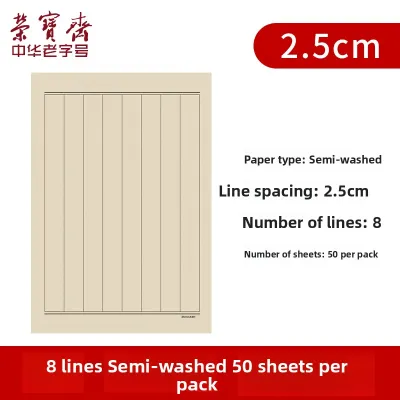
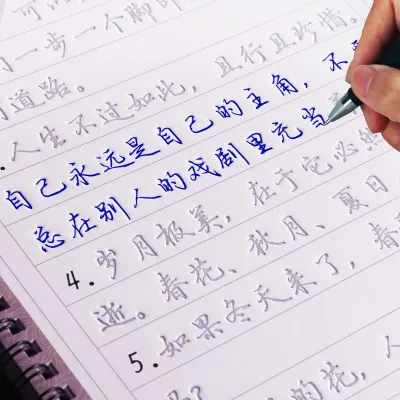
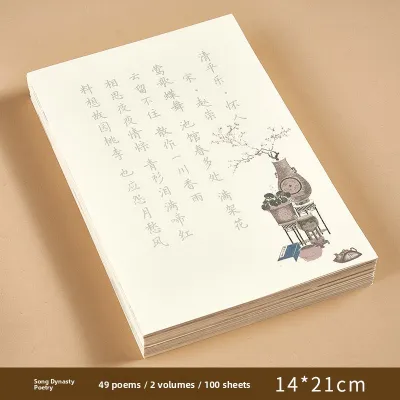
Prices are valid at publication and may change. Please refer to the product page for the latest price.
The layout of the book plays a crucial role in reducing cognitive load. A page crowded with historical sidebars, complex terminology, and dense blocks of text can feel overwhelming, triggering the very stress you are trying to escape. Instead, seek out workbooks that feature clean, minimalist layouts with ample white space. Clear typography and uncluttered instructional pages allow your mind to focus entirely on the task at hand. The visual environment of the page should mirror the mental state you wish to achieve: calm, organized, and spacious.
Furthermore, it is important to distinguish between comprehensive historical reference texts and practical, exercise-driven workbooks. Historical volumes are excellent for deep academic study, but they often lack the structured, repetitive drills needed to build muscle memory and induce a flow state. For a daily mindfulness habit, a dedicated workbook with printed guidelines, tracing sheets, and repetitive stroke exercises is far more effective. These books allow you to open to a page and begin writing immediately, removing the friction of preparing separate guidelines and planning your practice session.
Selecting a Script: Which Calligraphy Style Best Supports Daily Reflection?
Before committing to a specific calligraphy book, it is helpful to understand how different script styles influence your mental state and physical posture. Each calligraphy tradition demands a unique type of focus, ranging from the highly structured, geometric patterns of broad-edge scripts to the fluid, pressure-sensitive movements of pointed pen styles. The script you choose will also dictate the complexity of your physical setup, the tools you need to purchase, and the amount of space required on your desk. Aligning the script with your personal patience level and motor skills is the first step toward a frustration-free practice.

Western Broad Edge and Italic Styles
Broad-edge calligraphy, which includes classic styles like Italic and Foundational hand, is highly structured and exceptionally well-suited for beginners seeking a predictable, calming routine. These scripts are written using a pen with a wide, flat nib held at a consistent angle—usually 45 degrees. Because the angle of the pen remains fixed, the contrast between thick and thin lines occurs naturally as you move the pen across the paper. This mechanical predictability removes a layer of anxiety, allowing you to focus entirely on the path of the stroke and the spacing of your letters.
The rhythmic nature of italic minuscules (lowercase letters) is particularly effective at quietening an overactive mind. The letters are constructed from a small family of repeating shapes, such as arches, ovals, and straight vertical stems. As you repeat these basic forms across a page, the motion becomes almost hypnotic, encouraging a deep state of concentration. Additionally, the equipment barrier for broad-edge calligraphy is remarkably low. You can easily begin with a simple cartridge-filled calligraphy pen or a high-quality felt-tip calligraphy marker, both of which are readily available in local stationery shops for under S$10. This minimal setup means you can practice on a small desk or kitchen table without the fear of spilling open ink bottles.
Western Pointed Pen and Copperplate
Pointed pen calligraphy, such as the elegant Copperplate script or modern brush lettering, offers a very different meditative experience centered on pressure control. Unlike broad-edge pens, pointed pens use a flexible metal nib that opens up when pressure is applied, creating a thick downstroke, and closes when pressure is released, producing a hairline-thin upstroke. This style requires a high degree of fine motor control and an acute awareness of the physical tension in your hand, wrist, and shoulder.
The mindfulness in pointed pen calligraphy comes from this intense physical connection. To create smooth transitions between thick and thin lines, you must learn to coordinate your breathing with the application and release of pressure. This level of focus can be incredibly grounding, as it leaves no room for distracting thoughts. However, beginners should be aware that pointed pen scripts have a steeper initial learning curve. Dealing with flexible nibs, adjusting ink flow, and preventing the metal tip from catching on the paper fibers can sometimes cause initial frustration. If you choose a pointed pen workbook, look for one that includes extensive troubleshooting tips and slow, step-by-step pressure drills to help you navigate this learning curve without losing your sense of calm.
Eastern Brush and Sumi-e Traditions
For those drawn to a deeply philosophical and holistic approach to mindfulness, Eastern brush calligraphy, such as Shodo, offers a profound path. This tradition is intimately connected to Zen principles, viewing the brush stroke as a direct reflection of the practitioner’s state of mind. Unlike Western styles, where letters can sometimes be touched up or corrected, Eastern brush calligraphy emphasizes single-stroke execution. Once the ink-laden brush touches the absorbent paper, the stroke is final. This demands absolute presence of mind, intention, and acceptance of imperfection.
The meditative process of brush calligraphy begins long before the brush touches the paper. The traditional preparation involves grinding an ink stick on an ink stone with a small amount of water. This slow, circular grinding motion serves as an excellent pre-practice ritual, helping to transition your mind from the chaos of the day into a quiet, focused state. The practice also emphasizes physical posture; you must sit upright, hold the brush vertically, and engage your entire arm and core rather than just your fingers. While the setup is more elaborate—requiring a brush, sumi ink, an ink stone, and felt backing paper—the deep mind-body integration it provides is unmatched for those seeking a highly ritualistic daily practice.
Evaluating Workbook Design: Key Features for Beginner Success
When selecting a calligraphy book to support a daily habit, the physical design and construction of the book are just as important as the instructional content. A poorly designed book can quickly lead to physical discomfort and creative frustration, derailing your mindfulness goals. The first feature to examine is the paper quality. Look for workbooks that use heavy-weight, smooth paper, ideally 120 gsm (grams per square meter) or higher. In Singapore’s humid climate, paper can easily absorb ambient moisture, making it more prone to “feathering”—where the ink spreads out into the paper fibers—and “ghosting,” where the ink bleeds through to the reverse side. High-quality, bleed-resistant paper ensures that your lines remain crisp and your practice sheets look clean.
Another critical physical feature is the binding of the book. To practice calligraphy comfortably, your workbook must lie completely flat on your desk. Standard perfect-bound paperbacks tend to spring closed, forcing you to hold the pages down with one hand while trying to write with the other. This constant struggle ruins your physical posture and disrupts your focus. Instead, look for workbooks with spiral binding, wire-o binding, or exposed thread-sewn binding (often marketed as “lay-flat” binding). These designs allow the book to open flat at a full 180 degrees, giving your writing hand complete freedom of movement.
In terms of content, a beginner-friendly workbook must provide clear, visual breakdowns of every letter. Look for books that use numbered arrows to show the exact direction and sequence of each stroke. It is also highly beneficial if the book includes a “common mistakes” section for each letterform. Seeing visual examples of incorrect slant, poor spacing, or improper pen angles helps you self-correct your work objectively, without feeling discouraged. Finally, ensure the book follows a logical, progressive structure. It should begin with basic warm-up strokes, move on to individual lowercase and uppercase letters, progress to connecting letters into words, and eventually guide you to writing full sentences or short, uplifting quotes.
Structuring Your Routine: How to Use Your Book for Daily Mindful Practice
To successfully integrate your calligraphy book into a daily mindfulness routine, you must establish a supportive environment and a sustainable practice habit. Start by creating a dedicated writing space in your home, even if it is just a specific corner of your dining table or a small study desk. Keep this area free of digital distractions, clutter, and work-related materials. Having a clean, designated spot signals to your brain that when you sit down here, it is time to transition into a slower, more focused state of mind. You might enhance this environment by lighting a candle, playing soft instrumental music, or simply enjoying the quiet of the early morning or late evening.
Consistency is far more important than the duration of your practice sessions. Rather than attempting to practice for an hour once a week, aim for short, daily sessions of 15 to 20 minutes. This time-boxed approach makes the habit highly manageable, even on your busiest days, and prevents physical fatigue in your hand and wrist. Calligraphy requires muscles that you may not use in everyday writing, and practicing for too long can lead to cramping and tension, which defeats the purpose of a relaxing ritual. Set a timer, open your workbook, and commit to focusing entirely on the paper until the timer rings.
As you practice, cultivate a non-judgmental attitude toward your work. It is completely natural for your initial strokes to look shaky, uneven, or messy. Instead of viewing these imperfections as failures, reframe them as valuable feedback. Observe the lines objectively: Is the ink flowing smoothly? Is your pen angle consistent? Are you holding your breath? If you find yourself becoming frustrated, gently bring your attention back to the physical sensations of the practice—the sound of the nib gliding across the paper, the texture of the page, and the steady rise and fall of your chest. By shifting your focus from the outcome to the process, the act of writing becomes a true sanctuary of calm.
Frequently Asked Questions (FAQ)
Do I need specialized ink and paper to start practicing mindfully?
You do not need to invest in expensive, professional-grade art supplies to begin a mindful calligraphy practice. For beginners, the primary goal is to establish a consistent, low-friction habit. A basic calligraphy workbook, paired with a reliable cartridge pen or a high-quality felt-tip calligraphy marker costing between S$5 and S$15, is more than sufficient to start. These tools are clean, portable, and require virtually no setup or cleanup time, making them ideal for quick daily sessions.
Before purchasing additional supplies, always check the specific recommendations listed in your chosen calligraphy book. Many modern workbooks are designed to be written in directly, featuring paper that is already optimized for the recommended pen type. If you do decide to transition to traditional dip pens and bottled ink later on, you can gradually purchase specialized items like smooth layout paper pads and pigment-based inks from local art supply stores as your skills and interest grow.
How can I maintain focus if my handwriting looks messy as a beginner?
It is common for beginners to feel discouraged when their initial calligraphy attempts do not match the beautiful examples in their workbooks. To maintain your focus and enjoy the practice, it is helpful to remember that calligraphy is fundamentally different from everyday handwriting. Handwriting is a rapid, subconscious habit, whereas calligraphy is the art of drawing letters slowly and deliberately, stroke by stroke.
When you feel frustrated by messy lines, shift your focus away from the final appearance of the page and concentrate on the physical rhythm of the writing process. Pay close attention to the friction of the pen against the paper, the steady pace of your hand, and your breathing. Many beginner workbooks include tracing pages where you can write directly over faint grey guidelines. Utilizing these tracing exercises is an excellent way to build muscle memory and confidence without the pressure of staring at a blank page, allowing you to enjoy the calming, repetitive flow of the practice.
Community discussion
Share your experience or ask a question. Comments are reviewed before publication.