
To protect your guzheng picks and maintain consistent tape adhesion in Singapore’s high relative humidity, selecting a non-porous or highly sealed nail board material can help protect your accessories. The constant moisture in the tropical air can quickly warp untreated wood, degrade adhesive tape backing, and encourage mold growth on organic surfaces. While traditional wooden boards offer a classic aesthetic, modern synthetic materials like acrylic or heavily sealed composite boards provide excellent resistance to environmental fluctuations.
Choosing the right material involves balancing durability, ease of cleaning, and how well the surface interacts with the adhesive tape used to secure your finger picks. A warped board or one that harbors mold spores can ruin expensive picks and cause skin irritation. By understanding how different materials react to humidity, you can make an informed decision that keeps your guzheng accessories in pristine condition.
Understanding Humidity Risks for Guzheng Nail Boards and Picks
Singapore’s tropical climate maintains a consistently high relative humidity, often exceeding 80% outside of air-conditioned environments. This constant moisture poses a silent threat to musical instruments and their accessories, including the humble guzheng nail board. When porous materials are exposed to such high levels of water vapor, they naturally absorb moisture from the surrounding air, leading to physical and structural changes.
Products mentioned in this guide
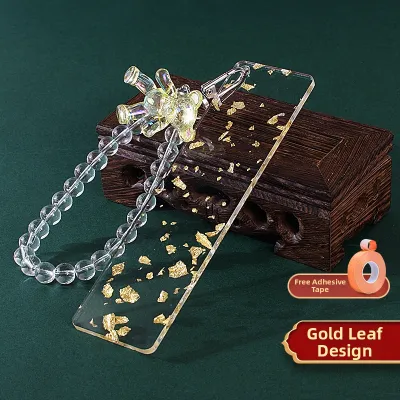
Prices are valid at publication and may change. Please refer to the product page for the latest price.
Porous or untreated materials, such as raw wood or low-grade bamboo, are highly susceptible to moisture absorption. As these materials take in water, the wood fibers swell unevenly, causing the board to warp, twist, or cup. A warped nail board no longer provides a flat surface for storing your picks, which can cause the picks themselves to bend or become misaligned when pressed against an uneven surface.
Mold growth is another major concern on organic surfaces in humid conditions. Spores thrive in warm, damp environments, especially when organic matter is present. The adhesive residue left behind by guzheng tape provides an excellent food source for mold. Over time, a neglected wooden board can develop a layer of mildew, which not only ruins the board but can also transfer to your picks and eventually your skin during practice.
Furthermore, high humidity accelerates the degradation of the adhesive on guzheng tape. When stored on a damp or mold-infested board, the tape backing can soften, lose its tackiness, or leave a gummy, hard-to-clean residue on both the board and the picks. This degradation means you will need to replace your tape more frequently, and the weakened adhesive may cause your picks to slip while playing.
Comparing Common Nail Board Materials for Moisture Resistance
When shopping for a guzheng nail board, you will encounter several material options, each with distinct physical properties and maintenance requirements. Evaluating these materials based on their observable traits and manufacturer specifications will help you choose a reliable option for a humid climate.

Wooden and bamboo boards are highly popular for their traditional appearance and natural feel. However, their performance in a humid climate depends heavily on the quality of their protective finish. When evaluating a wooden board, check for a thick, even layer of varnish or lacquer that seals all surfaces, including the edges and back. Any exposed wood grain or thin spots in the finish will allow moisture to penetrate, leading to eventual warping and mold growth.
Acrylic and plastic alternatives have become increasingly common due to their complete resistance to moisture. These synthetic materials are entirely non-porous, meaning they cannot absorb water, warp, or support mold growth. They provide a highly rigid, flat surface that keeps your picks perfectly aligned. The primary trade-off with acrylic is its susceptibility to static buildup, which can attract dust, and a slick surface that may require high-quality tape to adhere securely.
Metal or composite boards offer another modern solution, combining high structural rigidity with excellent durability. Aluminum or sealed composite materials do not warp or support mold, making them highly stable in tropical climates. However, metal boards can experience surface condensation when moved between cool, air-conditioned rooms and warm, humid outdoor air. They are also heavier than plastic or wood, and you must verify that the edges are perfectly smooth to avoid scratching your picks or fingers.
Maintaining Your Nail Board and Picks in High Humidity
Regardless of the material you choose, active maintenance is necessary to combat the effects of Singapore’s climate. Establishing a regular cleaning and storage routine will extend the lifespan of both your nail board and your guzheng picks.
Proper cleaning is the first line of defense against mold and adhesive buildup. After each practice session, check the board for any sticky residue left behind by the finger tape. For acrylic or well-sealed wooden boards, use a soft, lint-free microfiber cloth slightly dampened with water or a mild, diluted soap solution to gently wipe away residue. Avoid harsh chemical solvents or abrasive pads, which can strip protective varnishes or scratch acrylic surfaces.
Storage conditions play a critical role in preventing moisture damage. When your nail board is not in use, store it in a sealed container or a dedicated instrument case equipped with silica gel packets or a reusable desiccant. If you store your guzheng in a room with a dehumidifier or consistent air conditioning, keeping the nail board in the same space will help maintain a stable environment.
Regularly inspect your nail board for observable signs of material degradation. For wooden boards, look for hairline cracks in the varnish, dark spots indicating mold growth, or any slight wobble when placed on a flat surface. For acrylic or metal boards, check for deep scratches that could harbor dirt or adhesive residue. If a board shows persistent mold that cannot be cleaned or significant warping, it is time to replace it to protect your picks and maintain hygiene.
Buying Checklist for a Humidity-Resistant Nail Board
To ensure you select a nail board that can withstand local climate conditions, use this practical checklist when browsing online marketplaces or visiting local music retailers in Singapore.
- Verify Material and Finish: Look for product descriptions that explicitly state the material used and whether it has a protective, moisture-resistant coating. For wood, confirm it is fully sealed or lacquered. For synthetics, verify it is high-grade acrylic or ABS plastic.
- Inspect Edge and Surface Quality: If buying in person, run your fingers along the edges to ensure there are no sharp spots or unsealed seams. If buying online, examine high-resolution product photos for smooth, polished edges.
- Check Care Instructions: Review the manufacturer's recommended cleaning and storage guidelines. Avoid products that require specialized, hard-to-find oils or those that warn against any exposure to moisture.
- Read Customer Feedback: Search user reviews on ecommerce platforms for mentions of warping, mold, humidity, or sticky residue. Feedback from buyers in tropical regions is particularly valuable.
- Confirm Return and Warranty Policies: Ensure the retailer offers a clear return policy. This allows you to inspect the board's material quality firsthand and return it if the finish is incomplete or if it shows immediate signs of reacting to the humidity.
Frequently Asked Questions (FAQ)
Can I use a standard wooden nail board if I keep it in an air-conditioned room?
Yes, you can use a wooden nail board in an air-conditioned room, but you must manage the environmental transitions carefully. Air conditioning lowers both temperature and humidity, which helps protect the wood while the unit is running. However, when the air conditioning is turned off, or when you transport the board to a non-air-conditioned space, the sudden rise in temperature and humidity can cause rapid moisture absorption and condensation. To minimize this risk, store the board in a sealed case with a desiccant packet when the air conditioner is off, and check the manufacturer’s specifications for any recommended humidity limits.
How do I safely remove mold from an existing wooden nail board?
To safely remove mold from a wooden nail board, start by wiping the surface with a soft cloth slightly dampened with a highly diluted mixture of white vinegar and water. Vinegar is a gentle, natural disinfectant that can kill mold spores without stripping most polyurethane or lacquer finishes. Avoid soaking the wood, and dry the board immediately with a clean towel. If the mold has penetrated deep into the wood grain beneath the finish, or if the wood has begun to soften and rot, cleaning will no longer be effective. In such cases, discard the board immediately to prevent the mold from spreading to your guzheng picks, tape, and hands.
Community discussion
Share your experience or ask a question. Comments are reviewed before publication.