
Studying the lives of historically significant figures is a time-tested method for accelerating personal growth, refining creative skills, and understanding the mechanics of global success. Few individuals in the modern era have achieved the level of cultural impact, technical mastery, and commercial longevity as Michael Jackson. For professionals, artists, and entrepreneurs, his career serves as a masterclass in creative visualization, relentless work ethic, and strategic brand building. However, extracting actionable lessons from his life requires a deliberate approach to reading, as the literature surrounding his legacy is vast, highly varied, and often polarized.
To gain genuine value for your own professional development, you must navigate a crowded landscape of memoirs, journalistic exposés, and technical accounts. Selecting the right book is not merely about finding an entertaining narrative; it is about matching the author’s perspective with your specific learning objectives. A book written by a close studio collaborator offers vastly different insights than an analytical biography penned by a financial journalist or a first-person account written by the artist himself.
This guide categorizes the available literature into three distinct frameworks: first-person autobiographies, insider and collaborator memoirs, and analytical journalistic biographies. By understanding what each category offers, you can build a targeted reading list that directly supports your goals in creativity, performance excellence, and career strategy. Whether you want to refine your artistic discipline or study the mechanics of global intellectual property management, choosing the correct starting point is essential.
Products mentioned in this guide

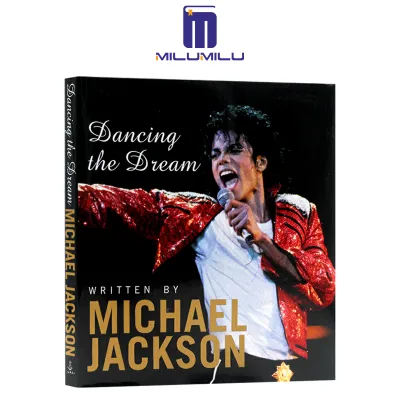
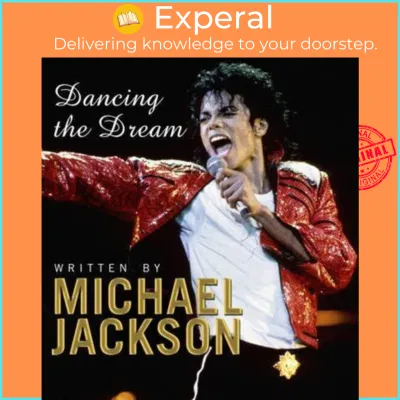


Prices are valid at publication and may change. Please refer to the product page for the latest price.
Define Your Learning Focus: Creativity, Performance, or Business
Before purchasing any book, it is crucial to define what specific area of personal or professional development you wish to enhance. The lessons of a highly complex career cannot be absorbed all at once, and different texts excel at highlighting different disciplines. If your primary goal is to understand the internal creative process, you should seek out texts that focus on songwriting, choreography, and the psychological aspects of visualization. These works reveal how abstract ideas are nurtured, refined, and transformed into iconic cultural moments, offering valuable frameworks for designers, writers, and creative directors.
Conversely, if your interest lies in external career strategy, your focus should shift toward books that analyze brand building, contract negotiations, and global industry positioning. The entertainment industry operates on complex business models, and studying how a global brand was established and maintained provides critical lessons for entrepreneurs and corporate strategists. These accounts detail the navigation of high-stakes deals, the acquisition of valuable publishing catalogs, and the management of public relations on an unprecedented scale.
The perspective of the author dictates the utility of the lessons you will extract. Insider accounts written by technical professionals, such as recording engineers or musical directors, are highly valuable for understanding technical discipline, iterative refinement, and studio workflow. Journalistic accounts, on the other hand, provide the necessary distance to analyze business decisions objectively, highlighting both strategic triumphs and cautionary tales of organizational mismanagement.
Aligning your book selection with your current professional stage ensures that the material you read translates into applicable frameworks. A young creative seeking to establish a daily practice will benefit most from studying the rigorous rehearsal schedules and artistic philosophies found in collaborator memoirs. Meanwhile, an established business leader or marketer will find greater value in analytical biographies that dissect market expansion, merchandising strategies, and the management of complex creative teams.
First-Person and Autobiographical Works
To understand the intrinsic motivation and personal philosophy of any historical figure, primary sources are irreplaceable. Autobiographical works offer a direct window into the artist’s own mind, allowing readers to observe how they conceptualized their creative vision and processed their unique experiences. In these texts, the focus is on the internal drive, the childhood influences that shaped a relentless work ethic, and the personal definitions of success that guided a decades-long career.

The most prominent primary source in this category is the official autobiography, Moonwalk, originally published in the late 1980s. This book provides invaluable insights into the concept of creative visualization—the practice of mentally rehearsing success and meticulously planning artistic milestones long before they manifest in reality. Readers can learn how early experiences in the Motown system instilled a deep respect for showmanship, discipline, and the study of past masters across various performing arts.
However, readers must approach autobiographies with a clear understanding of their inherent limitations. An autobiography is, by definition, a subjective narrative designed to present a specific self-portrait to the world. While it is excellent for understanding emotional context, personal philosophy, and artistic intent, it may omit or gloss over complex business disputes, strategic missteps, and the collaborative contributions of others. It is a tool for studying mindset and creative philosophy rather than an objective, step-by-step blueprint for career execution.
When reading first-person accounts for self-improvement, focus on the chapters detailing the preparation behind major creative transitions, such as moving from a group dynamic to a solo career. Pay close attention to the descriptions of the creative impulse—how melodies were heard in isolation and how dance movements were developed through hours of solitary practice. These sections offer timeless lessons on trusting one’s creative instincts and committing fully to an artistic vision despite external skepticism.
Insider and Collaborator Memoirs
While autobiographies provide the internal philosophy, memoirs written by producers, engineers, directors, and close team members offer the practical, day-to-day details of execution. These individuals stood alongside the artist in the recording studio, the rehearsal hall, and the editing suite, witnessing the actual habits that translated raw talent into historic achievements. For readers seeking actionable insights on technical discipline, teamwork, and performance excellence, this category is exceptionally rich.
Collaborator accounts, such as those by legendary recording engineers or musical directors, reveal the meticulous attention to detail that defined every project. These books describe a studio environment where mediocrity was actively rejected, and where hundreds of vocal takes or instrument tracks were recorded and discarded in search of the perfect sonic texture. This level of dedication highlights the importance of iterative refinement—the willingness to continuously polish a product until it meets an uncompromising standard of quality.
When selecting a collaborator memoir, it is essential to verify the author’s actual role and proximity to the creative process. Look for books written by professionals who worked directly on specific, landmark projects over extended periods, rather than distant associates capitalizing on a brief association. Verifiable accounts from key studio figures provide authentic technical insights, detailing how collaborative teams were assembled, how creative conflicts were resolved, and how diverse talents were unified under a single artistic vision.
These memoirs are particularly valuable for learning about professional preparation and the management of creative energy. They describe rehearsal schedules that lasted for months, where every step, lighting cue, and sound level was practiced to the point of muscle memory. By studying these accounts, professionals in any field can learn how to build highly effective teams, foster a culture of excellence, and maintain the discipline required to execute complex projects under intense public scrutiny.
Analytical Biographies by Music Journalists
For a comprehensive understanding of career strategy, brand evolution, and industry navigation, independent and well-researched biographies are indispensable. Written by experienced music journalists, biographers, and financial analysts, these books provide the objective distance necessary to evaluate a career in its entirety. They contextualize major business decisions, analyze the management of global intellectual property, and examine the strategic partnerships that enabled unprecedented commercial reach.
A key focus of these analytical works is the intersection of art and commerce. Books such as those analyzing the financial empire of the artist—for example, works detailing the acquisition of major music publishing catalogs—offer profound lessons in asset acquisition and long-term business planning. These texts explain how leveraging creative success to acquire diverse intellectual property assets can create a resilient financial foundation, a strategy that remains highly relevant for modern content creators and entrepreneurs.
To ensure you are gaining reliable insights, always check the author’s credentials, research methodology, and editorial standards. The most valuable journalistic biographies rely on extensive primary interviews with business managers, attorneys, and industry executives, backed by court documents, contract records, and contemporary media archives. Avoid sensationalist titles that rely on anonymous gossip or unverified tabloid narratives, as they offer little educational value and lack the analytical rigor needed for professional study.
These independent biographies serve as excellent case studies in both strategic triumph and risk management. They analyze how a global brand was built through innovative marketing, cross-promotional deals, and pioneering music video formats, while also examining the vulnerabilities that arise from isolation, poor advisory structures, and rapid scaling. By studying these balanced accounts, readers can extract practical frameworks for leadership, brand preservation, and navigating complex corporate environments.
Pre-Purchase Checks for Books and Editions
Once you have identified the biographical perspective that aligns with your learning goals, the final step is selecting the correct edition and format. Because many of these books have been published over several decades, multiple editions exist in the market, often varying significantly in content completeness, editorial updates, and physical quality. Taking the time to verify these details before making a purchase ensures a seamless and productive reading experience.
First, verify the publication year and the specific edition of the book. Later prints or anniversary editions often include updated forewords, epilogues, or corrected historical information that may not be present in the original releases. For analytical biographies, newer editions are particularly valuable as they may contain additional chapters analyzing the long-term legacy and financial impact of the artist’s catalog in the digital streaming era.
Second, carefully consider the medium that best suits your study habits. Hardcover and paperback editions are ideal for readers who prefer to highlight text, write notes in the margins, and easily flip back and forth between chapters and discographies. If you prefer digital formats, confirm that the e-book version is compatible with your specific e-reader device and that the formatting of tables, images, and footnotes is preserved. For audiobooks, verify whether the narration is performed by the author or a professional voice actor, as a compelling delivery can significantly enhance the absorption of narrative-driven memoirs.
Third, ensure you are purchasing from authorized retailers and reputable distributors to avoid counterfeit, poorly printed, or unauthorized abridged copies. This is especially important when purchasing physical books online, where low-quality print-on-demand versions sometimes circulate. If you are located in Singapore, check local bookstore inventories or established regional online platforms to ensure prompt delivery and authentic copies.
Finally, be aware of regional restrictions that may apply to digital formats, particularly audiobooks and e-books. Due to licensing agreements, certain digital editions may not be available for purchase or download in your specific region. Always check the regional availability on your preferred digital storefront before planning your reading schedule, and verify that any digital purchase includes the complete, unabridged text.
Frequently Asked Questions (FAQ)
Are audiobooks as effective as print for studying creative processes?
Audiobooks offer distinct advantages for absorbing narrative-driven memoirs, as they convey the emotional delivery, tone, and pacing of the author, which is especially powerful when the book is narrated by a close collaborator. However, for deep study of creative processes, technical studio setups, or complex business transactions, print or e-book formats are generally more effective. Written formats allow you to easily pause, highlight key passages, reference detailed timelines, and study structural diagrams or discographies at your own pace. A hybrid approach—listening to the audiobook for overall narrative flow and keeping a print copy for active study and note-taking—often yields the best results for personal development.
How can I apply entertainment industry lessons to a different career field?
Applying lessons from the entertainment industry to other professional fields requires focusing on universal principles rather than industry-specific tactics. The core drivers of success in music—such as deliberate practice, relentless attention to detail, audience empathy, and continuous iteration—are highly transferable to software development, marketing, corporate leadership, and entrepreneurship. For example, the meticulous rehearsal habits of a world-class performer translate directly into the preparation required for high-stakes business presentations or product launches. By extracting the underlying decision-making frameworks, work ethic models, and collaborative strategies, you can build a highly versatile toolkit for professional excellence in any industry.

Community discussion
Share your experience or ask a question. Comments are reviewed before publication.