
Mastering the art of spending money is often more challenging than learning how to earn or invest it. While mainstream financial media frequently prioritizes wealth accumulation, stock market strategies, and portfolio growth, a distinct subset of business and finance publications focuses on the psychological and behavioral aspects of personal finance. For readers in Singapore seeking to cultivate mindful spending habits, finding the right reading material requires looking beyond standard investment advice to discover publications that explore the relationship between capital, consumption, and personal fulfillment.
Mindful spending is not about strict deprivation or extreme minimalism; rather, it is the practice of aligning your financial outlays with your core values, long-term goals, and personal well-being. In a dynamic economic environment like Singapore, where consumer options are highly accessible and lifestyle inflation can occur rapidly, developing a conscious approach to expenditures is essential. By selecting publications that treat money management as a behavioral discipline rather than a purely mathematical exercise, you can acquire the frameworks necessary to make intentional purchasing decisions.
To find the publications that best teach this art, you must evaluate their editorial philosophy, format accessibility, and thematic coverage. This guide outlines the key criteria for identifying mindful spending resources, explores the primary categories of financial media available to Singapore readers, and provides a practical checklist to help you select a subscription that supports your financial journey.
Products mentioned in this guide
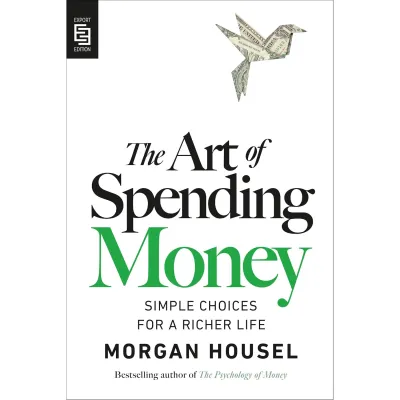

Prices are valid at publication and may change. Please refer to the product page for the latest price.
What to Look for in Mindful Spending Publications
When searching for publications that address the art of spending money, the first step is to analyze their editorial focus. Standard financial magazines often dedicate the majority of their pages to market analysis, corporate earnings, and speculative investment trends. While these topics are valuable for wealth generation, they rarely address the daily habits, emotional triggers, and cognitive biases that dictate how individuals actually part with their hard-earned money.
To identify publications that prioritize mindful spending, look for a strong emphasis on behavioral finance and economic psychology. These fields examine the cognitive errors that lead to impulsive purchases, the phenomenon of hedonic adaptation, and the social pressures that drive conspicuous consumption. A publication that regularly features articles on why we buy, how marketing influences our subconscious, and how to build cognitive friction before making a purchase will provide far more value for mindful spending than one focused solely on stock picking.
Another critical marker is the presence of value-based budgeting frameworks. Mindful spending publications tend to reject rigid, one-size-fits-all budgeting rules that rely on deprivation. Instead, they champion conscious consumption—the practice of cutting expenses on things that do not matter to you while spending on things that do. Look for editorial content that helps you define your personal values, track your emotional satisfaction after purchases, and design a customized cash-flow plan that supports your unique lifestyle goals.
Finally, evaluate whether the publication offers actionable, habit-building strategies rather than purely theoretical economic commentary. The art of spending money is highly practical, requiring daily execution and consistent self-reflection. High-quality publications should provide readers with concrete tools, such as spending reflection templates, decision-making flowcharts for major purchases, and strategies for navigating social spending pressures. By focusing on publications that bridge the gap between psychological theory and daily practice, you can build sustainable habits that protect your financial well-being.
Evaluating Magazine Formats and Regional Accessibility
Once you have identified the editorial style that aligns with your goals, the next step is to evaluate how you will access the content in Singapore. The choice between print and digital editions involves weighing physical reading preferences against convenience, delivery logistics, and interactive features. Both formats offer distinct advantages, but they also come with specific technical and regional considerations that you must verify before subscribing.

Print editions offer a tactile, distraction-free reading experience that can enhance comprehension and retention, making them highly suitable for deep-seated behavioral topics. However, subscribing to international print magazines in Singapore requires careful logistical verification. You must check the reliability of local delivery services, potential shipping surcharges, and the typical transit delay for physical copies. Some international publishers partner with local distributors to ensure timely delivery, while others rely on standard international postal services, which can lead to delayed or inconsistent arrivals.
Digital subscriptions, on the other hand, offer immediate access, searchability, and portability across multiple devices. When evaluating digital formats, check the compatibility of the publisher’s platform with your existing hardware, whether you prefer reading on a smartphone, tablet, or dedicated e-reader. Some publications offer dedicated mobile applications with optimized layouts, while others provide standard PDF replicas of the print edition, which can be cumbersome to read on smaller screens. Additionally, verify whether the digital subscription allows for offline reading, enabling you to catch up on your financial reading during your daily commute without relying on active cellular data.
Regional licensing and geographic restrictions are also critical factors for Singapore readers. Certain digital newsstands or publisher apps restrict access to specific titles or features based on your IP address or the region of your app store account. Before committing to a subscription, confirm that the publication is fully licensed and accessible in Southeast Asia. Furthermore, consider whether the content reflects local economic realities; while behavioral principles are universal, articles that address specific tax structures, retirement accounts, or housing models are far more useful when they align with Singapore’s unique financial landscape rather than relying solely on foreign frameworks.
Categories of Financial Media to Explore
To narrow your search for the right publication, it is helpful to understand the broad categories of financial media that typically cover the art of spending money. Rather than relying on a single, definitive title, exploring these distinct categories allows you to diversify your reading and gather insights from different perspectives, ranging from academic psychology to practical lifestyle design.
- Dedicated Personal Finance Titles: These publications focus exclusively on household economics, budgeting, debt management, and everyday money psychology. They are designed for the general consumer and offer highly accessible, practical advice on managing daily cash flow. Within these titles, you will find articles on optimizing recurring expenses, navigating family financial discussions, and understanding the emotional drivers of impulse buying. Because their primary audience consists of individuals looking to improve their personal financial health, these magazines are an excellent starting point for mastering basic spending habits.
- Behavioral Economics and Psychology Journals: For readers who want to understand the scientific principles behind consumer behavior, academic and semi-academic journals focusing on behavioral economics are invaluable. These publications explore the cognitive biases, decision-making frameworks, and neurological responses associated with financial choices. While the language can be more technical than standard consumer magazines, the insights are profound. Reading these journals helps you recognize the subtle marketing tactics used by retailers and equips you with the psychological tools needed to resist artificial consumer demands.
- Business Publications with Lifestyle Sections: Mainstream business and macroeconomic magazines often feature dedicated lifestyle, personal wealth, or executive wellness sections. These columns frequently explore the philosophy of work-life balance, mindful consumption, and the preservation of personal wealth. Because these publications cater to business professionals, their approach to spending often focuses on high-value decisions, such as purchasing real estate, funding education, or balancing career ambitions with personal happiness. This perspective is particularly useful for readers looking to integrate mindful spending into a broader professional and wealth-building strategy.
- Independent and Niche Digital Publications: The rise of digital-first media has led to a vibrant ecosystem of independent newsletters, boutique digital magazines, and online communities dedicated to minimalist finance and intentional living. These publications often challenge conventional consumer culture directly, offering deep dives into concepts like the financial independence, retire early (FIRE) movement, slow living, and ethical consumption. Because they are free from the advertising pressures that sometimes influence mainstream media, independent publications can offer highly candid, community-driven insights into the practical realities of living well on less.
Pre-Subscription Checklist for Singapore Readers
Before committing your financial resources to a magazine subscription, it is essential to perform a thorough verification process. This ensures that the publication not only aligns with your learning goals but also fits seamlessly into your lifestyle and budget without causing unnecessary financial friction. Use the following checklist to evaluate any potential subscription before signing up.
- Review Trial Periods and Cancellation Policies: Many publishers offer introductory rates or free trial periods. Carefully read the terms and conditions to understand when the trial ends, how the subscription auto-renews, and the exact process for cancellation. Ensure that billing is transparent and verify whether charges are processed in S$ or foreign currencies, as international transactions may incur additional bank fees.
- Confirm Archive Access: A significant portion of the value in a financial subscription lies in its historical content. Verify whether your subscription grants unlimited access to the publication's digital archives. Having access to past articles allows you to research specific spending topics, behavioral frameworks, and historical financial trends at your own pace, maximizing the educational value of your purchase.
- Check Publication Frequency: Consider how often the magazine is published—whether weekly, monthly, bi-monthly, or quarterly. Match this frequency with your actual reading capacity. A weekly publication may quickly lead to information overload and unread issues piling up, whereas a monthly or quarterly cadence often allows for more deliberate, reflective reading that aligns better with mindful spending habits.
- Evaluate Bundled Resources and Interactive Tools: Many modern publishers enhance their written content with supplementary digital tools. Check if your subscription includes access to interactive budgeting calculators, downloadable spending templates, subscriber-only podcasts, webinars, or community discussion forums. These additional resources can provide practical avenues to apply the concepts you read about directly to your personal finances.
Frequently Asked Questions (FAQ)
How can I test a financial magazine before committing to a full subscription?
Testing a publication before committing to a full subscription is an excellent way to ensure its editorial tone and content focus align with your mindful spending goals. Most reputable publishers offer complimentary newsletter tiers that provide a curated selection of their best articles directly to your inbox. You can also look for single-issue digital purchases on major online marketplaces or digital newsstands, allowing you to evaluate a complete issue without any long-term commitment. Additionally, many publications produce affiliated podcasts or public-facing blog posts; spending time with this free content is a highly effective, risk-free method to gauge the practical value and depth of their financial advice.
Are local Singapore publications better for mindful spending than international titles?
The choice between local and international publications depends on whether you require specific regulatory context or universal psychological principles. Local Singapore publications are highly valuable for understanding regional economic factors, such as Central Provident Fund (CPF) strategies, local tax structures, housing policies, and the regional cost of living. However, the core psychological principles of mindful spending—such as overcoming cognitive biases, managing impulse purchases, and aligning spending with personal values—are universal. For a well-rounded financial education, many readers find that combining international behavioral finance media with local personal finance platforms provides the ideal balance of global wisdom and local applicability.
Do digital magazine subscriptions offer better tools for tracking spending habits?
Digital magazine subscriptions often provide functional advantages that print editions cannot match, particularly when it comes to interactive learning. Many digital publishers bundle their subscriptions with downloadable budgeting templates, interactive calculators, and access to private subscriber communities where readers can share spending tracking strategies. However, when choosing a digital format, it is important to verify device compatibility and offline reading capabilities to ensure a smooth user experience. Additionally, review the publisher’s data privacy policies to understand how your personal financial information is handled if you choose to utilize their interactive tracking tools.
Community discussion
Share your experience or ask a question. Comments are reviewed before publication.