
Selecting the right language learning materials is critical for steady progress, but navigating a publisher’s extensive catalog can be overwhelming. To choose the right Lingzi Media books and tools for your Mandarin journey, you must match your current literacy and conversational skills with the specific design of each publication. Lingzi Media offers a wide range of materials, from early childhood and beginner textbooks to advanced literary works and local curriculum-aligned resources. Selecting the correct level ensures you do not face the demotivating hurdles of overly complex vocabulary or the boredom of excessively simple exercises.
By understanding how to evaluate your skills, check product specifications, and align different book types with your learning stage, you can build a highly effective, personalized study path. This guide provides a structured framework to help you make informed purchasing decisions and get the most value out of your study time.
Assessing Your Current Mandarin Proficiency
Before purchasing any language learning material, you must accurately identify your current language level. Many learners make the mistake of buying books based solely on how long they have studied Mandarin, which often leads to purchasing materials that are either too basic or frustratingly difficult. A precise self-evaluation requires looking at your skills across four distinct areas: listening, speaking, reading, and writing.
Products mentioned in this guide
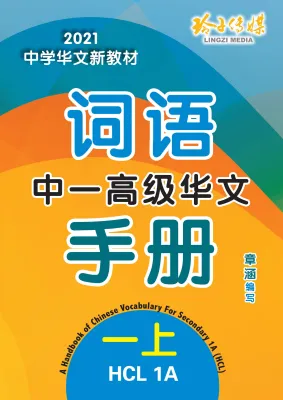
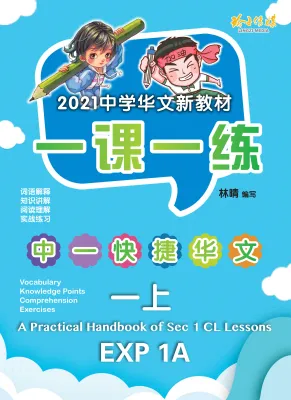
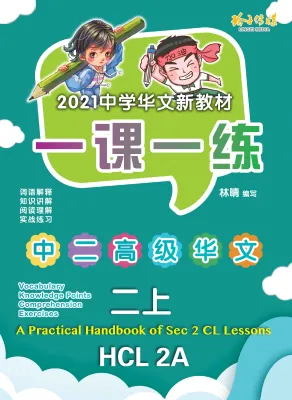
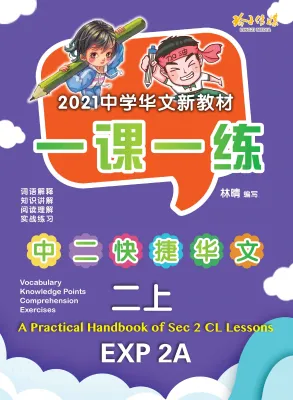
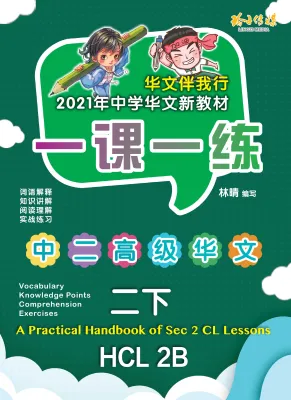
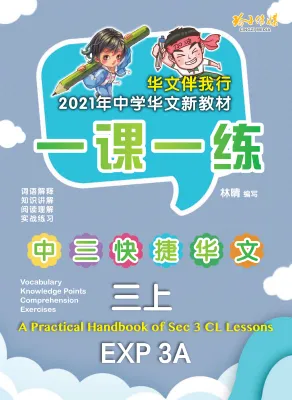
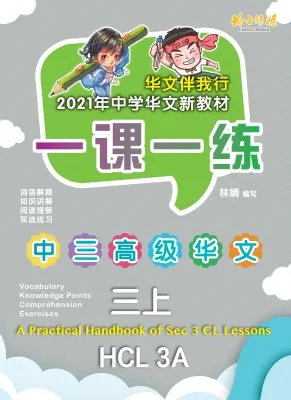
Prices are valid at publication and may change. Please refer to the product page for the latest price.
To evaluate your reading and writing skills, determine how many Chinese characters you can recognize and write from memory without relying on phonetic aids. For instance, a beginner might recognize fewer than 500 characters and require phonetic assistance for most texts. An intermediate learner can typically read simple stories containing 500 to 1,500 characters, while an advanced learner should comfortably navigate texts with over 2,000 characters, including complex idioms and formal expressions.
Standardized language frameworks offer a reliable benchmark for mapping your skills to specific books. The Hanyu Shuiping Kaoshi (HSK) is the most common international standard, ranging from HSK 1 (beginner) to HSK 6 and beyond (advanced). Alternatively, the ACTFL guidelines categorize proficiency from Novice to Superior. If you are purchasing materials within Singapore, books are often categorized by local school levels, such as Primary, Secondary, or Junior College. Understanding how these academic levels align with your personal goals is essential for selecting the right difficulty.
While self-assessment tools and online quizzes can give you a general starting point, they often overemphasize passive recognition over active production. If you are planning to invest in a comprehensive, multi-volume textbook series, taking a formal placement test or consulting an educator is highly recommended. For supplementary reading materials, such as graded readers or storybooks, a simple self-assessment using the “five-finger rule”—where you choose a page and count the number of unknown words—is usually sufficient to determine if the book is at an appropriate level.
Essential Specifications to Check Before Purchasing
When browsing Lingzi Media products, paying close attention to technical and editorial specifications will prevent you from purchasing incompatible or frustrating materials. The first and most critical specification to verify is the character set. Mandarin materials are published in either Simplified Chinese (standard in Singapore, Malaysia, and Mainland China) or Traditional Chinese (used primarily in Taiwan and Hong Kong). Ensure the book matches the character system you intend to learn, as mixing the two early in your studies can cause significant confusion.

Additionally, check for the presence of pronunciation guides. Beginner books often feature Pinyin annotations directly above or alongside the Chinese characters to assist with pronunciation and tone accuracy. Some regional publications may use Bopomofo (Zhuyin) instead. As you progress to intermediate and advanced levels, you should look for books that phase out these annotations to help you build direct character-to-meaning recognition.
Media format is another vital consideration for modern language learners. Lingzi Media products come in various formats, including traditional physical paperbacks, digital e-books, and hybrid packages that include audio CDs or digital download codes. If a book relies on an accompanying mobile application or online audio platform, verify the device compatibility and regional availability of the software before purchasing. Some digital companions may require specific operating systems or registration steps that vary by region.
Finally, always check the language of instruction used in the explanatory text. Beginner textbooks and grammar guides usually feature bilingual explanations, using English to clarify complex grammatical structures and vocabulary definitions. Intermediate materials often transition to simplified target-language explanations, while advanced books offer complete immersion with no English translation. Choosing the right balance of instructional language ensures you can study independently without getting stuck on complex grammatical jargon.
Matching Material Types to Your Learning Stage
As your Mandarin proficiency evolves, the types of books and tools you require will change significantly. Relying solely on a single textbook is rarely enough to achieve true fluency; instead, you must transition from highly structured instructional guides to authentic, unassisted reading materials.
To build a balanced study plan, you should pair your core curriculum books with targeted supplementary resources. This approach allows you to reinforce grammatical concepts while simultaneously expanding your vocabulary through contextual reading and practical exercises.
Beginner Level: Building the Foundation
For beginners, the primary goal is to establish correct pronunciation, master the basic stroke order of Chinese characters, and build a core vocabulary of high-frequency words. Foundational materials must focus heavily on phonetics, particularly the Hanyu Pinyin system and the four tones of Mandarin. Without a strong phonetic foundation, progressing to reading and speaking becomes exceptionally difficult.
When selecting beginner books, look for options that include high-quality audio accompaniment. Interactive tools, audio downloads, or read-aloud companion apps are essential for practicing tones and developing listening comprehension. Hearing native speakers pronounce words while you follow along in print helps bridge the gap between spoken and written Mandarin.
Workbooks at this stage should offer guided writing practice, including stroke-by-stroke diagrams and grid lines to help you develop proper character proportions. Visual memory aids, such as colorful illustrations, radical breakdowns, and associative learning guides, are also highly beneficial. These features help beginners anchor abstract characters to concrete meanings, making early vocabulary acquisition much more manageable.
Intermediate Level: Expanding Context and Fluency
As you transition to the intermediate stage, your focus should shift from memorizing isolated words to understanding sentence structures and contextual usage. Graded readers are incredibly valuable during this phase. These books are written using a controlled vocabulary list, allowing you to read full stories and situational dialogues without constantly stopping to look up words in a dictionary.
Grammar reference books designed for intermediate learners should provide nuanced explanations of sentence patterns, accompanied by practical, real-world examples. At this level, you need to understand not just what a word means, but how it functions grammatically in different contexts. Look for books that contrast similar vocabulary words to help you avoid common usage errors.
An essential challenge for intermediate students is reducing their reliance on Pinyin. To facilitate this transition, look for reading materials that place Pinyin at the bottom of the page, in a separate glossary, or only above unfamiliar characters. This layout forces your eyes to focus on the Chinese characters first, building the visual memory required for fluent, unassisted reading.
Advanced Level: Nuance, Culture, and Professional Use
Advanced learners require resources that prepare them for real-world immersion, professional communication, and literary appreciation. At this stage, standard textbooks should give way to authentic materials, such as contemporary Chinese literature, essays, and news compilations. These texts expose you to natural sentence flows, diverse writing styles, and sophisticated vocabulary.
To achieve true cultural fluency, advanced students must master Chinese idioms, known as Chengyu. These four-character expressions carry deep historical and cultural significance, and using them correctly is a hallmark of advanced proficiency. Specialized idiom dictionaries and advanced grammar guides that explain the historical origins and modern applications of these phrases are indispensable tools.
Additionally, if you plan to use Mandarin in a professional or academic setting, you should seek out specialized vocabulary tools. Books focusing on business Chinese, technical terminology, or academic writing will help you communicate precisely in professional environments. These advanced resources ensure your language skills are not only grammatically correct but also contextually appropriate for high-level interactions.
Verifying Editions and Purchasing Safely
To ensure a successful study experience, you must verify the authenticity and currency of the books you purchase. Language standards and school curricula undergo periodic updates, meaning older editions of textbooks or exam preparation materials may contain outdated vocabulary lists, spelling standards, or grammatical rules. Always check the publication date and edition number on the copyright page to ensure the material aligns with current educational guidelines.
When purchasing Lingzi Media products, buy directly from official brand stores, authorized online bookstores, or established physical retailers. Purchasing from unauthorized third-party sellers on general online marketplaces increases the risk of receiving counterfeit copies, which often suffer from poor print quality, missing pages, or incorrect formatting. Authentic books ensure clear, legible characters, which are vital for learning complex strokes.
Furthermore, many modern language books include access codes for digital companion apps, online audio streaming, or downloadable worksheets. These codes are typically single-use and are often printed on sealed cards or inside the back cover. Before opening sealed materials or scratching off access codes, double-check that you have purchased the correct level and edition, as retailers rarely accept returns once the physical seal or digital access barrier has been broken.
Frequently Asked Questions (FAQ)
Can I use beginner materials if I already speak Mandarin but cannot read?
Yes, but you must select materials specifically designed for literacy rather than conversational skills. Many heritage speakers who grew up speaking Mandarin have excellent listening and speaking abilities but struggle to read or write characters. Standard beginner textbooks that focus heavily on basic spoken phrases, greetings, and Pinyin are often too slow and repetitive for these learners.
Instead, look for character-recognition workbooks, flashcards, and graded readers that focus entirely on character structure, radicals, and reading comprehension. These tools leverage your existing vocabulary to accelerate your reading skills without forcing you to relearn basic conversational concepts.
Do I need to buy the textbook and the workbook together?
For most learners, purchasing both the textbook and the accompanying workbook is highly recommended, as they serve complementary purposes. Textbooks are designed to introduce new concepts, vocabulary, and grammatical structures in a structured manner. However, reading about a concept is rarely enough to commit it to long-term memory.
Workbooks provide the repetitive, active practice necessary to reinforce what you have learned. They offer translation exercises, character writing grids, and reading comprehension questions that test your understanding. If you are studying independently, the workbook is an essential tool for self-assessment, allowing you to identify and correct mistakes before moving on to more advanced chapters.

Community discussion
Share your experience or ask a question. Comments are reviewed before publication.