
Protecting your home’s flooring from the immense weight of an acoustic piano requires selecting a piano caster cup that matches your specific floor material. An upright piano can easily weigh between 180 and 300 kilograms, while a grand piano can exceed 500 kilograms. When this massive weight is concentrated onto three or four tiny metal caster wheels, it creates extreme point pressure that can easily gouge hardwood, crack ceramic tiles, or shatter delicate marble. The ideal piano caster cup acts as a load distributor, spreading this concentrated force over a much larger surface area while providing a protective barrier that prevents scratches, scuffs, and structural damage.
In Singapore’s unique residential landscape, where high-humidity environments interact with popular flooring choices like teak parquet, homogeneous tiles, and polished marble, choosing the wrong protective accessory can lead to costly floor repairs. To safeguard your investment in both your instrument and your home, you must evaluate the physical properties of different caster cup materials, verify their load-bearing specifications, and match them precisely to your floor type. This guide outlines the essential steps to measure, select, and install the right caster cups to ensure long-term protection and stability.
Understanding How Your Floor Type Reacts to Piano Weight
To choose the right protective accessory, you must first understand how different flooring materials behave under heavy, static loads. Acoustic pianos are among the heaviest items of furniture found in Singapore households, and their weight is not distributed evenly. Instead, the entire mass rests on tiny contact points where the metal wheels meet the floor, creating thousands of pounds of pressure per square inch.
Products mentioned in this guide
![[PfiSo][Big-promotion] Piano Caster Cups Non-Slip Foot Pads for Hardwood Floors Upright Piano Wheel Protectors 4 Pieces](https://img.lazcdn.com/g/p/1bbef1808efc0b0ada741725cea6af28.jpg_webp_400x400q80.jpg_.webp)
![[SG 🚚] 4Pcs Black Vertical Piano MATS Piano Caster Cups](https://img.lazcdn.com/g/p/299c79c04dcc90a41ef3e89d1d429fe1.jpg_400x400q80.jpg_.webp)
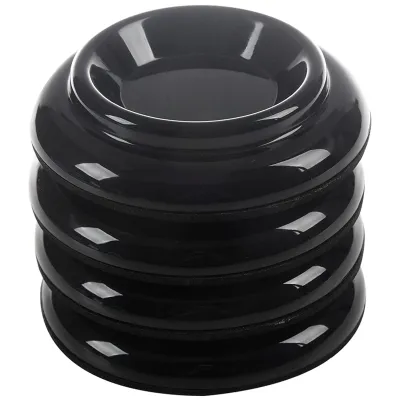
![WGB[Kloware1] 4x Piano Caster Cups abs protections Carpet Piano Legs Foot Pad Furniture Caster Cups Foot Pad Non Slip Piano Foot Pads Upright Piano](https://img.lazcdn.com/g/p/e8a442037b2e3696d3b9c70b7e7d491e.jpg_400x400q80.jpg_.webp)
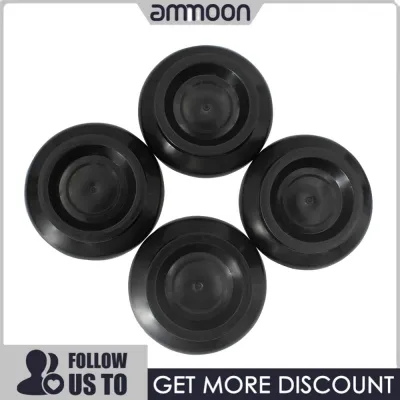
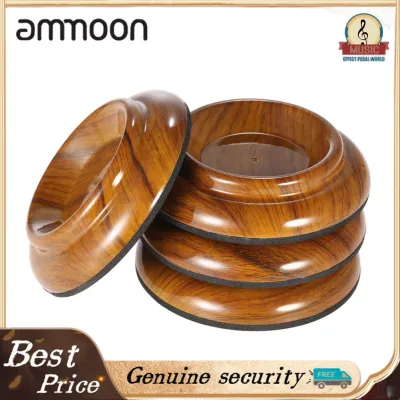
Prices are valid at publication and may change. Please refer to the product page for the latest price.
Hardwood floors, such as traditional teak parquet or engineered timber, are highly susceptible to permanent indentation. Wood is a natural, fibrous material that can compress under sustained heavy loads, leaving deep, unsightly craters that are incredibly difficult to repair without replacing entire floor planks. Additionally, the natural expansion and contraction of wood due to Singapore’s humid climate can make the fibers more vulnerable to surface scratches and scuffs whenever the piano is slightly nudged or tuned.
In contrast, hard surfaces like homogeneous tiles, ceramic tiles, and natural marble present a different set of risks. While these materials do not compress like wood, they are brittle under extreme point loads. If a heavy piano wheel rests directly on a tile, especially near a grout line or over a minor subfloor void, the concentrated pressure can cause the tile to crack or chip. Polished marble is also highly sensitive to abrasive grit; tiny dust particles trapped beneath a heavy metal wheel can act like sandpaper, leaving deep, permanent scratches on the stone’s mirror-like finish if the instrument shifts even a millimeter.
Effective floor protection relies on weight distribution, friction reduction, and vibration isolation. A high-quality caster cup expands the footprint of each wheel, reducing the pressure exerted on any single point of the floor. It also provides a stable, non-abrasive barrier that prevents direct metal-to-floor contact, while dampening the acoustic vibrations that travel from the piano soundboard into the building’s structure.
Key Specifications to Check Before Buying Caster Cups
When shopping on local ecommerce platforms or visiting musical instrument shops in Singapore, you must carefully verify several key physical and material specifications to ensure you select a product that offers genuine protection.

First, examine the material composition of the cup. Caster cups are typically manufactured from hard plastics, dense rubber, solid wood, or metals like brass, often paired with a soft backing material such as felt or foam. Hard plastic and solid wood cups provide excellent structural rigidity, preventing the heavy wheel from sinking through the cup itself. However, these hard materials must be paired with a soft, non-abrasive backing if they are to be used on hard or polished floors, as the cup itself can otherwise scratch the surface.
Second, verify the load capacity of the caster cups. Do not assume that every cup sold online can support the weight of your specific instrument. Look for manufacturer specifications that explicitly state the maximum weight limit per cup or per set. To calculate your requirements, take the total weight of your piano—which can be found in the owner’s manual—and divide it by the number of casters. Ensure the rated capacity of the cups exceeds this figure with a comfortable safety margin to account for dynamic forces, such as when the piano is being played energetically.
Third, measure the internal dimensions of the cup. A caster cup must have an inner well that is wide and deep enough to fully accommodate the piano’s wheel. If the inner diameter is too small, the wheel will rest on the rim of the cup, creating an unstable setup that can cause the cup to tilt, crack, or slip out of place. The depth of the well must also be sufficient to prevent the wheel from rolling out of the cup if the instrument is bumped.
Finally, evaluate the base grip features. The bottom of the caster cup must remain securely in place on your floor. For smooth, polished surfaces like marble or glazed tiles, look for cups with high-friction, non-slip rubber bases or specialized felt pads that grip the floor without leaving adhesive residue or chemical stains over time.
Matching Caster Cup Materials to Tiles, Hardwood, and Marble
Selecting the right caster cup requires matching its material properties to the specific vulnerabilities of your home’s flooring. A material that works perfectly on a hard tile floor could cause severe damage if placed on a delicate hardwood surface.
For hardwood and engineered timber floors, soft, non-marking rubber or felt-lined bases are highly recommended. The soft felt backing acts as a gentle cushion that prevents the hard body of the caster cup from scratching the wood’s protective polyurethane or lacquer finish. Furthermore, felt allows for very minor, controlled adjustments if the piano needs to be micro-positioned during tuning, without the risk of dragging metal or hard plastic across the wood fibers. Avoid cheap, low-grade rubber backings, as some synthetic rubbers contain plasticizers that can chemically react with wood finishes over time, leaving permanent dark stains or sticky residues on your parquet.
For homogeneous tiles, ceramic tiles, and natural marble, you should prioritize rigid, high-density materials with wide, flat bases. Solid hardwood cups (such as oak, maple, or walnut) or heavy-duty ABS plastic cups are excellent choices because they do not flex under pressure. The wide, flat bottom of these cups ensures that the immense weight of the piano is distributed over a broad surface area, significantly reducing the risk of cracking a tile or fracturing a marble slab. When using rigid cups on these polished surfaces, always ensure they feature a thin, high-density felt or soft foam lining on the bottom to trap any stray dust particles and prevent them from scratching the polished stone or glaze.
You will also need to balance aesthetic preferences with functional protection. Polished wood caster cups are highly popular because they can be matched to the finish of your piano’s legs or your home’s wooden furniture. While wood cups look elegant, ensure they are structurally sound and do not feature thin walls that could split under the weight of a heavy upright or grand piano. If you choose metal cups, such as brass, verify that they have a thick, durable rubber or felt insert to completely isolate the metal wheel from the metal cup, preventing unwanted metallic rattling when the piano is played.
How to Measure Your Piano Casters for a Secure Fit
To avoid the hassle of purchasing ill-fitting accessories, you must take precise measurements of your piano’s caster wheels before buying any caster cups. Relying on generic product descriptions like “universal fit” can lead to unstable setups or returned purchases.
To measure your caster wheels accurately, you will need a standard measuring tape or a pair of calipers. First, measure the width of the wheel itself from one side of the tread to the other. If your piano has double casters—which are common on larger grand pianos and heavy studio uprights—measure the total width across both wheels, including the space between them. Second, measure the overall diameter of the wheel from the top edge to the bottom contact point.
Once you have these measurements, compare them against the internal clearance specifications of the caster cups you are considering. The inner well of the cup must be at least a few millimeters wider than the total width of the wheel to allow the wheel to sit flat at the bottom of the well. If the wheel is wider than the flat bottom of the well, it will ride up on the curved edges, concentrating the weight on a small area of the cup and potentially causing the cup to split or slide.
Additionally, always verify the load ratings printed on the product packaging or detailed on the manufacturer’s official website. Do not assume that a cup designed for a standard upright piano can safely support a grand piano, which distributes its weight across only three points instead of four, resulting in much higher loads per caster. If you cannot find clear weight ratings or if your piano features non-standard, oversized, or antique wooden wheels, stop and consult your piano manufacturer, an authorized local distributor, or a professional piano moving service in Singapore before proceeding.
Safe Installation and Routine Maintenance
Installing piano caster cups is a task that requires extreme caution to prevent personal injury, damage to the instrument, or immediate scratching of the floor you are trying to protect. Because of the immense weight involved, you should never attempt to lift a piano alone.
For upright pianos, at least two capable adults are required to safely install the cups. One person should carefully tilt the piano backward slightly from the top, lifting the front casters just a few millimeters off the ground, while the second person slides the caster cups directly under the wheels. Once the front cups are securely in place, repeat the process by tilting the piano forward to place the rear cups. For grand pianos, the weight is significantly greater and more complex to balance; it is highly recommended to hire professional piano movers who use specialized jacks and equipment to lift the legs safely without putting destructive lateral stress on the piano’s lyre or legs.
Once installed, your floor protection system requires routine maintenance to remain effective. Over time, dust, pet hair, and abrasive grit can accumulate around and beneath the caster cups. In Singapore’s humid climate, this dust can bind with moisture, creating a grime layer that can degrade both the cup material and the floor finish. Every few months, perform a visual check around each cup. Use a soft brush or a vacuum attachment to remove any debris from the edges of the cups.
You must also inspect the physical condition of the caster cups regularly. Look closely for any signs of material degradation, such as hairline cracks in plastic or wooden cups, flattening or hardening of rubber bases, or wearing down of felt pads. If you notice any cracking, loss of grip, or if the cup appears to be sinking or tilting, it indicates that the material has reached the end of its lifespan and must be replaced immediately to prevent sudden failure and subsequent damage to your floor.
Frequently Asked Questions (FAQ)
Do lighter digital keyboards need caster cups?
Lighter digital keyboards and digital pianos generally do not require heavy-duty caster cups because they lack the massive cast-iron plates and heavy wooden cabinetry of acoustic pianos. Most digital keyboards weigh between 15 and 60 kilograms and rest on wide, flat wooden or metal stands rather than concentrated metal wheels. However, if your digital piano stand features narrow plastic feet or metal pegs, it can still exert enough pressure to dent soft wood or scratch polished marble over time. In these cases, using slim, felt-bottomed furniture pads or a dedicated keyboard floor mat is usually sufficient to protect your flooring without the need for oversized acoustic caster cups.
Can standard furniture coasters replace piano caster cups?
Standard household furniture coasters are generally not suitable substitutes for specialized piano caster cups. Most standard coasters are designed for static furniture with flat legs, such as sofas or tables, and are not engineered to withstand the extreme, concentrated point loads of heavy piano wheels. Standard coasters often lack the deep, reinforced inner well required to securely contain a rolling wheel, creating a serious risk that the piano could roll or slip out of the coaster if bumped. Furthermore, cheap plastic or thin wooden furniture coasters can easily crack under the weight of an acoustic piano, leading to sudden structural failure and immediate floor damage.
How often should I inspect the cups and the floor beneath them?
You should perform a basic visual inspection of your piano caster cups and the surrounding floor area at least once every three to six months. During this inspection, check for any signs of dust accumulation, cup misalignment, or material wear. A more thorough inspection—which involves carefully checking for any signs of floor indentation or discoloration beneath the cups—should be conducted during your regular professional piano tuning sessions, which typically occur once or twice a year in Singapore. This timing is ideal because the piano tuner or professional technician can assist you in safely verifying that the floor beneath the instrument remains in pristine condition.
Community discussion
Share your experience or ask a question. Comments are reviewed before publication.