
Navigating the self-improvement section of any bookstore can feel overwhelming. With hundreds of titles promising life-altering transformations, it is easy to fall into the trap of buying generic bestsellers that offer temporary motivation but little lasting change. To achieve genuine personal growth—whether that means building lasting self-confidence, managing chronic stress, or overcoming social anxiety—you must approach your reading material with a strategic, clinical mindset. The key lies in matching your specific psychological needs with established, evidence-based therapeutic frameworks rather than relying on anecdotal advice.
By understanding how different psychological methodologies address specific behavioral patterns, you can select books that act as structured, practical tools for your mental well-being. This guide outlines how to evaluate author credentials, distinguish between various therapeutic approaches, and choose the right book formats to support your self-improvement journey.
How to Match Psychology Books to Your Specific Needs
To find the right psychology books, you must first understand the spectrum of literature available. The market is generally divided into popular psychology, clinical psychology, and structured self-help workbooks. Popular psychology books often focus on inspiring narratives, personal anecdotes, and broad behavioral concepts. While these can be highly engaging and excellent for sparking initial curiosity, they frequently lack the systematic, step-by-step interventions required to alter deep-seated cognitive habits.
Products mentioned in this guide
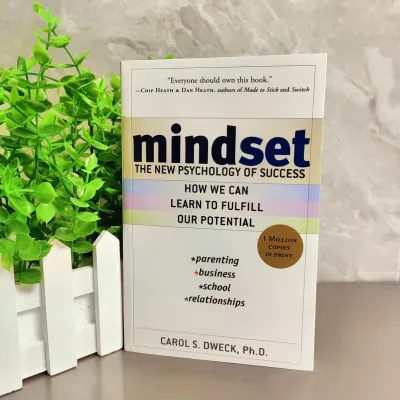


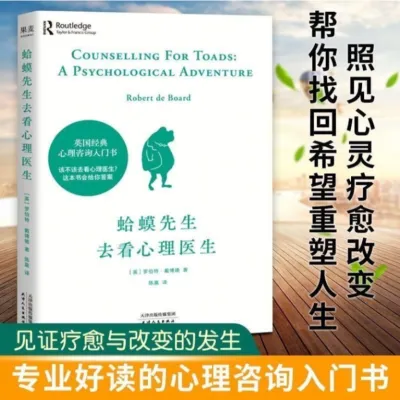
Prices are valid at publication and may change. Please refer to the product page for the latest price.
If your goal is to address specific behavioral patterns or emotional challenges, clinical psychology and evidence-based self-help books are far more effective. These resources are typically written by licensed clinicians or academic researchers who translate complex therapeutic modalities into accessible language. For instance, books grounded in Cognitive Behavioral Therapy (CBT) focus on the practical, bi-directional relationship between your thoughts, emotions, and behaviors. CBT-based books are highly structured and action-oriented, making them ideal for readers who want to actively track and modify their daily mental habits.
Before purchasing, clarify whether your current goal requires a theoretical understanding, a practical workbook, or a habit-building guide. If you are trying to understand why you react to certain triggers, a theoretical book written by a developmental psychologist can provide valuable context about your past experiences. However, if you already understand the root cause of your challenges and need to build new coping mechanisms, a dedicated workbook filled with interactive exercises, self-assessments, and daily logs is a far more practical investment.
Verifying the author’s credentials is a crucial step in this selection process. Look for authors who hold accredited doctoral degrees in psychology or medicine, such as a Ph.D., Psy.D., or M.D., and who maintain active clinical practices or university faculty positions. Authors with these backgrounds are bound by professional ethics and scientific standards, ensuring that the strategies they present are backed by empirical research rather than personal opinion. Be cautious of books written by self-proclaimed “lifestyle coaches” or influencers who rely primarily on personal success stories without citing peer-reviewed scientific literature.
Finding the Right Approach for Building Confidence
When searching for psychology books to build self-confidence, it is important to look beyond surface-level assertiveness training. Many mainstream self-help books focus heavily on external behaviors, such as practicing power poses, altering your vocal tone, or forcing positive affirmations. While these techniques might provide a temporary boost in high-pressure situations, they rarely address the underlying core beliefs that drive low self-esteem and self-doubt in the first place.

To build deep, resilient confidence, look for books that utilize cognitive restructuring techniques. This approach, derived from cognitive therapy, helps you identify your automatic negative thoughts—the quiet, self-critical inner monologue that tells you that you are not good enough or are bound to fail. A high-quality book in this category will guide you through the process of writing down these thoughts, examining the objective evidence for and against them, and reframing them into balanced, realistic self-assessments.
Another highly effective framework for confidence is Acceptance and Commitment Therapy (ACT). Rather than trying to eliminate self-doubt or force positive thinking, ACT-based books teach you psychological flexibility. This approach encourages you to accept your anxious or doubtful thoughts as harmless mental noise, rather than absolute truths. By learning to co-exist with your inner critic, you can commit to taking meaningful actions that align with your personal values, effectively building confidence through consistent, value-driven behavior.
It is also helpful to distinguish between books that address general self-worth and those that focus on specific interpersonal skills. If your lack of confidence manifests as difficulty setting boundaries or speaking up in professional settings, look for books that combine cognitive restructuring with practical assertiveness training. These books often include scripts, role-playing exercises, and communication frameworks that help you translate internal cognitive shifts into clear, respectful external actions.
While self-help books are powerful tools for self-reflection, they have clear limitations. If your low confidence is rooted in severe childhood trauma, persistent emotional abuse, or clinical depression, a book alone may not provide sufficient support. Recognizing when a book is not enough is vital for your emotional safety. If working through a confidence guide triggers intense emotional distress, or if you find yourself unable to apply the exercises due to overwhelming self-doubt, it is important to pause and seek the guidance of a qualified mental health professional.
Selecting Resources for Managing Anxiety and Stress
Anxiety and stress are complex physiological and psychological experiences that manifest differently for everyone. Consequently, a book that works wonders for one person’s generalized worry might be entirely ineffective for another person’s acute panic attacks. To find the right resource, you must match the book’s underlying therapeutic modality to your specific anxiety triggers and symptom patterns.
For those struggling with chronic worry, racing thoughts, and general life stress, books based on Mindfulness-Based Stress Reduction (MBSR) are highly beneficial. These resources focus on teaching you how to anchor yourself in the present moment, observe your thoughts without judgment, and soothe your overactive nervous system. MBSR books often emphasize daily meditation practices, body scans, and mindful breathing exercises designed to lower your baseline stress levels over time.
If your anxiety is characterized by specific fears, social avoidance, or obsessive-compulsive patterns, look for books that introduce exposure therapy concepts. Exposure-based self-help guides teach you how to create a gradual “fear hierarchy.” They provide structured protocols for safely and systematically confronting the situations you avoid, helping your brain unlearn its fear responses through repeated, controlled exposure. These books require a high degree of commitment and active participation, but they are among the most empirically supported tools for overcoming situational anxiety.
For individuals who experience anxiety as a highly physical sensation—such as a racing heart, muscle tightness, or shallow breathing—somatic experiencing and body-based psychology books are excellent choices. These resources focus on the connection between the mind and the body, offering physical grounding techniques, progressive muscle relaxation, and vagus nerve stimulation exercises. By learning to regulate your physical body first, you can effectively quiet the anxious thoughts in your mind.
When evaluating anxiety resources, consider whether you need immediate grounding techniques or long-term cognitive strategies. Some books are designed as practical, pocket-sized crisis guides, offering quick five-minute exercises to de-escalate acute panic or high-stress moments. Other books are comprehensive, multi-week programs designed to restructure your entire relationship with worry. For the best results, many readers benefit from keeping a practical crisis guide on hand while working through a more comprehensive cognitive workbook over several months.
Always establish strict safety boundaries when using self-help books for anxiety. Be highly skeptical of any book that promises an absolute “cure,” guarantees that you will never feel anxious again, or advises you to stop prescribed psychiatric medications without medical supervision. Anxiety is a natural, evolutionary survival mechanism; the goal of psychological self-improvement is to manage and respond to anxiety healthily, not to eradicate it entirely. If your anxiety leads to severe physical symptoms, panic attacks that prevent you from leaving your home, or chronic insomnia, consult a medical doctor or a licensed clinical psychologist.
Verifying Editions, Formats, and Accessibility Before Purchase
Once you have identified the right therapeutic framework and author credentials, you must verify the practical details of the book before making a purchase. Psychological research, clinical terminology, and diagnostic standards evolve continuously. Therefore, it is essential to check the publication date and edition number of any psychology book you consider. Newer editions of classic workbooks often incorporate updated clinical guidelines, revised self-assessment scales, and fresh insights from contemporary neuroscience, ensuring you are practicing the most current and effective techniques.
Language and translation quality are also critical factors, especially when dealing with complex psychological concepts. If you are purchasing a book that has been translated into English from another language, take the time to read sample pages or customer reviews to evaluate the clarity of the translation. Poorly translated psychological terms can lead to confusion, making it difficult to understand cognitive exercises or accurately interpret self-assessment questionnaires.
When sourcing your books, prioritize authorized retailers, academic publishers, or reputable local bookstores in Singapore. While it may be tempting to seek out cheap digital copies on unauthorized online marketplaces, these files are often poorly formatted, missing crucial pages, or lacking the downloadable worksheets and appendices that are vital for interactive self-help programs. Purchasing legitimate editions ensures you receive the complete, high-quality content intended by the author, including access to online companion resources or printable PDF worksheets.
Finally, carefully compare book formats based on your personal learning style and the nature of the material. Audiobooks are highly convenient for passive learning, making them ideal for narrative-driven popular psychology or theoretical books that you can listen to during your daily commute. However, for action-oriented self-improvement goals, physical books or dedicated spiral-bound workbooks are vastly superior. These physical formats allow you to easily write in the margins, complete diagnostic questionnaires directly on the page, highlight key concepts, and quickly flip back to reference your progress over time. If you prefer digital reading, ensure your e-reader device supports interactive PDF annotation or keep a dedicated physical journal alongside your e-book to complete the written exercises.
Frequently Asked Questions (FAQ)
Can reading psychology books replace professional therapy?
No, reading psychology books cannot replace professional therapy. While high-quality, evidence-based books (often referred to as bibliotherapy) are excellent educational tools, they are designed to supplement, not substitute, clinical care. Books provide generalized strategies and structured exercises, but they cannot offer the personalized assessment, real-time feedback, and emotional safety net that a licensed therapist provides. If you are experiencing severe psychological symptoms—such as persistent feelings of hopelessness, panic attacks that disrupt your daily routine, or thoughts of self-harm—it is critical to seek immediate professional intervention from a qualified mental health practitioner.
How do I know if a psychology book is evidence-based?
You can verify if a psychology book is evidence-based by checking three key indicators: the author’s credentials, the presence of scientific citations, and the therapeutic modalities used. First, ensure the author holds an accredited doctoral degree (such as a Ph.D., Psy.D., or M.D.) in a mental health field and has clinical or academic experience. Second, look at the back of the book for a comprehensive reference section or bibliography citing peer-reviewed studies from reputable scientific journals. Finally, confirm that the book explicitly utilizes established, clinically validated therapeutic frameworks—such as Cognitive Behavioral Therapy (CBT), Acceptance and Commitment Therapy (ACT), or Dialectical Behavior Therapy (DBT)—rather than relying on unverified personal theories or anecdotal success stories.
Community discussion
Share your experience or ask a question. Comments are reviewed before publication.