
Managing daily anxiety and stress is a highly individualized process, meaning that the most effective psychology books are those that align directly with your specific cognitive habits, emotional triggers, and preferred learning style. In a fast-paced urban environment like Singapore, where professional demands, academic pressure, and rapid lifestyles often contribute to chronic stress, finding the right mental wellness resource is crucial. Rather than relying on generic bestseller lists or trending social media recommendations, selecting a book requires a structured evaluation of its underlying therapeutic framework.
A well-chosen psychology book acts as a self-paced guide, offering structured exercises and clinical insights that help you understand your mind. However, the sheer volume of self-help literature available in bookstores and online marketplaces can make the selection process overwhelming. To make an informed purchase decision, you must look beyond eye-catching covers and sensationalist titles, focusing instead on the scientific validity of the content and how well it fits into your daily routine.
This guide provides a comprehensive framework to help you navigate the landscape of psychology books. By understanding the differences between cognitive behavioral methods and mindfulness-based approaches, evaluating author credentials, and selecting the right media format, you can build a personalized reading shortlist that supports your long-term mental well-being.
Products mentioned in this guide
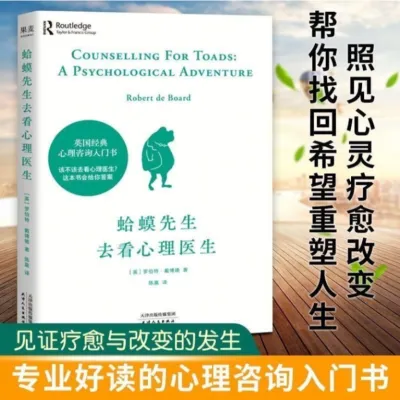
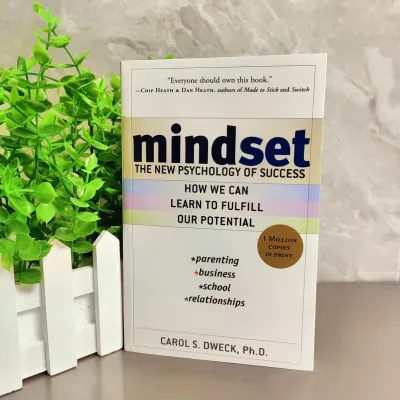
Prices are valid at publication and may change. Please refer to the product page for the latest price.
Understanding Psychological Approaches to Anxiety and Stress
Before purchasing any psychology book, it is essential to identify the therapeutic framework the author utilizes. Different books address anxiety through distinct psychological lenses, and what works for one person may not resonate with another. The two most prominent evidence-based frameworks found in modern self-help literature are cognitive-behavioral methodologies and acceptance-based methodologies.
To determine which approach a book takes, always check the introduction, preface, or table of contents before buying. Look for keywords like “cognitive restructuring,” “thought records,” “mindfulness,” “acceptance,” or “values.” Understanding these frameworks allows you to match the book’s methodology with your specific daily stress triggers, ensuring that the exercises you practice are relevant to your lived experience.
Cognitive and Behavioral Frameworks
Cognitive Behavioral Therapy (CBT) is one of the most widely researched and utilized frameworks for managing anxiety. Books grounded in CBT operate on the premise that our thoughts, feelings, and behaviors are interconnected. When we experience anxiety, it is often driven by cognitive distortions—irrational or exaggerated thought patterns, such as catastrophizing or all-or-nothing thinking.
CBT-based psychology books are highly structured and action-oriented. They typically feature practical exercises, such as thought records, where you write down an anxiety-inducing situation, identify the automatic negative thoughts that arose, evaluate the evidence for and against those thoughts, and formulate a more balanced perspective. These books may also guide you through behavioral experiments, encouraging you to gradually face feared situations to test the validity of your anxious predictions.
This logical, analytical approach is highly appropriate for readers who appreciate clear structures, concrete tasks, and step-by-step instructions. If you prefer to actively dissect your worries, analyze the mechanics of your thinking, and systematically challenge negative beliefs, a CBT-focused workbook or guide will likely provide the practical tools you need to manage daily stress.
Acceptance and Mindfulness-Based Frameworks
In contrast to cognitive restructuring, acceptance-based frameworks, such as Acceptance and Commitment Therapy (ACT) and Mindfulness-Based Stress Reduction (MBSR), take a different approach to uncomfortable emotions. Rather than trying to change, challenge, or eliminate anxious thoughts, these methodologies teach you to change your relationship with them.
Books in this category focus heavily on cognitive defusion, a technique that helps you view your thoughts as mere language or mental events rather than absolute truths or commands. For example, instead of trying to convince yourself that a worry is irrational, you practice acknowledging, “I am having the thought that I might fail,” which creates psychological distance. These books also emphasize values clarification, helping you identify what truly matters to you, and present-moment awareness exercises to ground you when anxiety spikes.
This approach is highly beneficial for individuals who feel exhausted by the constant struggle to control or suppress their anxiety. If trying to “fix” your thoughts only leads to more frustration, mindfulness and acceptance-based books offer a compassionate pathway to coexist with discomfort while continuing to take meaningful action in your life.
Key Criteria for Evaluating Psychology Books
With thousands of self-help titles published annually, separating scientifically grounded literature from pop-psychology trends is critical for your mental safety and progress. When evaluating a psychology book, the first step is to verify the author’s professional credentials. Look for authors who hold advanced degrees in clinical psychology, psychiatry, or counseling (such as a PhD, PsyD, or MD) and who have active clinical experience or institutional affiliations with reputable universities or medical centers.

Next, examine whether the methods presented in the book are grounded in established psychological research. Reputable books will reference clinical trials, peer-reviewed studies, or established therapeutic modalities like CBT, ACT, Dialectical Behavior Therapy (DBT), or mindfulness practices. Be cautious of books that rely solely on the author’s personal anecdotes, make sweeping generalizations, or promise rapid, effortless transformations.
Another key criterion is the balance between theoretical explanations and practical application. A good psychology book should explain the “why” behind your anxiety, but it must also provide the “how.” Look for books that offer practical, daily-life exercises, worksheets, or reflection prompts. If a book is entirely theoretical, you may find it difficult to translate the concepts into actionable habits. Conversely, a book with only exercises and no theoretical foundation may fail to help you understand the underlying mechanisms of your stress.
Finally, watch out for red flags such as absolute safety guarantees, claims of a “permanent cure,” or language that dismisses the complexity of mental health. Genuine psychological growth requires time, effort, and a willingness to tolerate discomfort. Any book that promises to eliminate anxiety entirely or overnight should be approached with skepticism, as managing stress is about building resilience and coping mechanisms, not achieving a permanent state of emotional numbness.
Choosing the Right Format and Verifying Editions
The format in which you consume a psychology book significantly impacts how effectively you can apply its teachings. Physical workbooks, standard e-books, and audiobooks each serve different learning styles and practical needs. For books that rely heavily on active participation, such as CBT workbooks with thought logs, physical copies are often the more practical choice. Writing by hand has been shown to enhance cognitive processing and retention, and having a physical space to record your thoughts makes it easier to track your progress over time.
If you prefer digital reading, standard e-books offer portability and convenience, allowing you to read on your tablet or e-reader during your daily commute. However, before purchasing a digital edition, verify whether the publisher provides a link to download and print companion worksheets or PDFs. Without access to these interactive materials, your ability to complete the therapeutic exercises may be severely limited.
Audiobooks are highly convenient for busy individuals and are excellent for narrative-driven psychology books or guided mindfulness meditations. However, they are generally poorly suited for structured workbooks that require active writing and reflection. If you choose an audiobook, ensure it comes with an accompanying PDF containing the visual diagrams and exercises mentioned by the narrator.
Before finalizing your purchase, always verify the book’s edition, language, and regional availability. Publishers frequently release updated editions of popular psychology books to incorporate new clinical research, revised diagnostic criteria, or updated terminology. Checking for the latest edition ensures you are receiving the most current and accurate information. Additionally, verify that you are purchasing from authorized distribution sources—such as established local bookstores or reputable online platforms—to avoid counterfeit copies that may contain formatting errors, missing pages, or low-quality printing.
Building Your Personalized Shortlist and Recognizing Limits
To build a personalized reading shortlist, you must map your specific anxiety symptoms and daily stress triggers to the appropriate style of book. If you experience acute, situational stress—such as anxiety related to public speaking, work deadlines, or specific life transitions—you may benefit most from strategy-focused books that offer quick, actionable coping mechanisms. These books are designed to be read quickly, providing immediate tools to manage acute physiological arousal and cognitive panic.
On the other hand, if you experience chronic, generalized anxiety characterized by persistent worry, muscle tension, and a constant sense of unease, you will require a more comprehensive, slow-paced workbook. These books are designed to be worked through systematically over several weeks or months, allowing you to gradually unpack deep-seated cognitive patterns and build long-term emotional resilience.
While psychology books are powerful tools for self-improvement, it is vital to recognize their clinical boundaries. Self-help literature is designed for managing mild to moderate daily stress and anxiety; it is not a substitute for professional mental health treatment. If your anxiety causes significant functional impairment—such as an inability to perform your job, severe social withdrawal, persistent panic attacks, sleep deprivation, or feelings of hopelessness—you must seek help from a licensed psychologist, psychiatrist, or counselor.
When integrating book exercises into your daily routine, aim for sustainability to prevent cognitive overwhelm. Dedicating just 15 to 20 minutes a day to reading and practicing a single exercise is far more effective than binge-reading several chapters at once. Treat the book as a practical manual for living, allowing yourself the time and space to absorb the concepts and practice the skills in real-world scenarios.
Frequently Asked Questions (FAQ)
Can reading psychology books replace professional therapy for severe anxiety?
No, reading psychology books cannot replace professional therapy for severe anxiety or diagnosed clinical conditions. While self-help books are valuable supplementary tools for learning coping strategies and understanding cognitive patterns, they lack the personalized assessment, diagnostic capability, and interactive support provided by a licensed mental health professional. If you experience severe functional impairments—such as persistent panic attacks, chronic insomnia, an inability to maintain social or professional commitments, or thoughts of self-harm—it is critical to consult a qualified psychologist or psychiatrist. Professional therapy offers a safe, tailored environment to address deep-seated trauma and complex psychological issues that a standardized book cannot address.
How long does it typically take to see results from self-help workbooks?
The timeline for seeing noticeable results from a self-help workbook varies depending on your consistency, the complexity of your stress triggers, and how actively you practice the exercises. Generally, readers who dedicate 15 to 20 minutes of focused, daily practice to cognitive restructuring or mindfulness exercises may begin to notice subtle shifts in their emotional responses and thought patterns within four to six weeks. However, psychological growth is a gradual, non-linear process. Most evidence-based workbooks are structured as multi-week programs (often spanning 8 to 12 weeks) designed to facilitate gradual behavioral change. Rushing through the chapters passively without applying the techniques to your daily life will yield minimal results; lasting change requires spaced, consistent practice over time.
Community discussion
Share your experience or ask a question. Comments are reviewed before publication.