
A reliable drumstick bag is more than a simple carrying pouch; it is an active drummer’s mobile workstation. When you are transitioning between a fast-paced soundcheck and a live set, having immediate, organized access to your sticks, mallets, brushes, and tuning tools can make or break your performance. The ideal drumstick bag must protect your gear from physical impact and environmental moisture while fitting seamlessly into your personal transport routine.
Choosing the right bag requires evaluating how you travel, the volume of gear you carry, and the specific environments where you perform. By focusing on durable materials, smart internal layouts, and ergonomic carrying styles, you can find a bag that keeps your essential tools safe and accessible through years of rehearsals and gigs.
Quick Guide: What Gigging Drummers Need in a Stick Bag
Live performances and rehearsals place unique demands on your gear. A gigging drummer needs a bag that can be unpacked in seconds, hung securely from a floor tom for quick mid-song stick replacements, and packed up just as fast when the set ends. The right choice depends heavily on your specific setup. A drummer who relies on public transport to travel to rehearsal studios will have vastly different physical requirements than one who loads a heavy hardware trunk into a personal vehicle.
Products mentioned in this guide
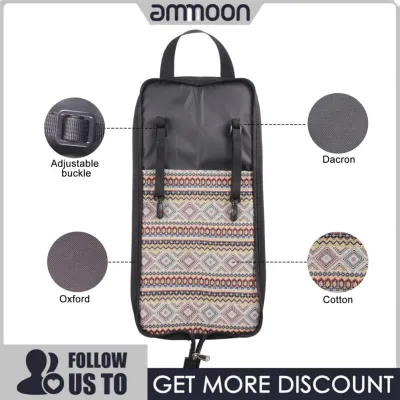
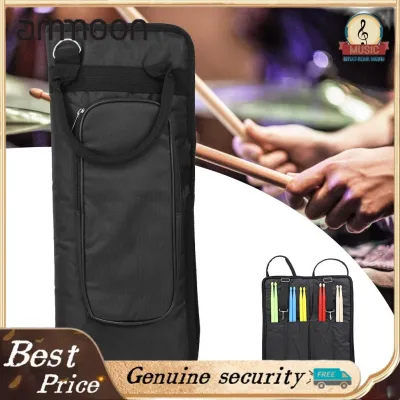
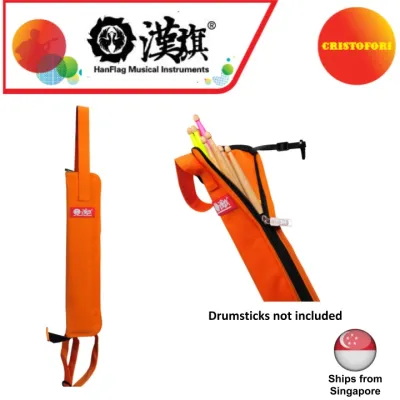
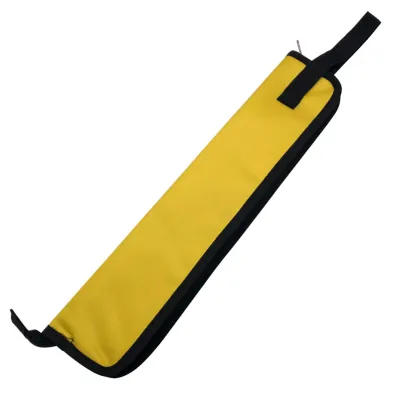

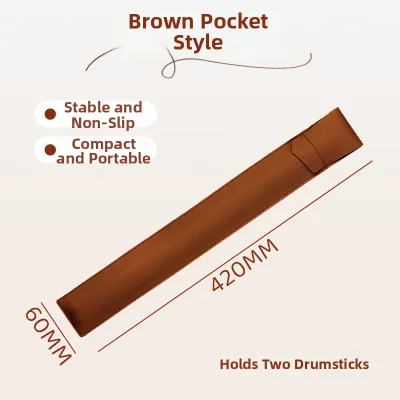
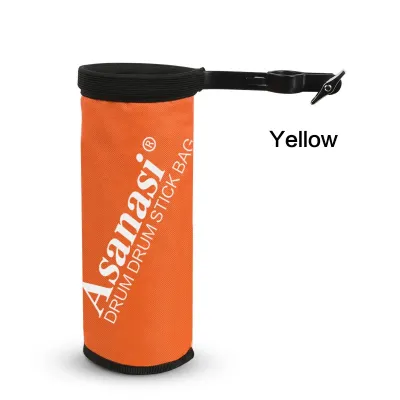
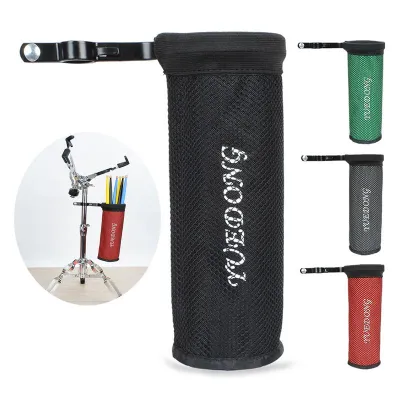
Prices are valid at publication and may change. Please refer to the product page for the latest price.
Your decision-making process should balance internal capacity, organizational pockets, and structural protection against the overall weight and bulk of the bag. A bag that is too small will leave you unprepared for unexpected stick breakages or style changes, while an oversized bag adds unnecessary physical strain to your commute. Finding the sweet spot ensures your gear remains secure without becoming a burden to carry.
Key Features That Withstand Frequent Transport
To survive the rigors of frequent transport, a drumstick bag must be constructed from high-quality materials and feature a robust structural design. Cheap bags often suffer from torn pockets, broken zippers, and punctured bottoms within a few months of active use.

Material and Build Quality
The exterior fabric of your bag is its first line of defense against the road. Look for high-density fabrics such as 600D (denier) to 1680D ballistic nylon or heavy-duty reinforced canvas. These materials offer high resistance to tearing, abrasion, and scuffing when dragged across concrete stages or packed alongside heavy metal stands.
Pay close attention to the stitching at major stress points, such as where the handles or shoulder straps connect to the main body. Double-stitching or bar-tack reinforcements are essential indicators of a bag built to last. Zippers are another common failure point; opt for heavy-duty metal zippers featuring large pull tabs that you can easily grab in low-light stage environments.
Additionally, verify the manufacturer’s specifications regarding water resistance. While many synthetic fabrics naturally repel light splashes, a dedicated water-resistant coating or a rubberized exterior lining is crucial for protecting your wooden sticks from absorbing moisture during sudden tropical downpours.
Capacity and Internal Organization
A well-organized interior prevents you from wasting valuable seconds searching for a specific pair of sticks or a small accessory mid-gig. Look for a bag that features multiple dedicated internal pockets of varying widths. This allows you to group your sticks by type—such as standard 5A or 7A wood-tip sticks, heavy specialty sticks, felt-tipped mallets, and wire brushes—without them rubbing together or getting tangled.
Smaller zippered compartments are equally vital for housing essential accessories. A dedicated pocket for your drum key, spare tension rods, earplugs, dampening gels, and hex keys keeps these small items from sinking to the bottom of the bag where they are difficult to retrieve.
Be careful not to overload individual compartments. Shoving too many pairs into a single pocket can put excessive lateral pressure on your sticks, potentially causing them to warp over time or putting strain on the bag’s seams and zippers.
Protection and Padding
Your sticks, mallets, and brushes are precision tools that require protection from crushing forces and impact. High-quality bags feature dense foam padding sandwiched between the outer shell and the inner lining. This cushioning absorbs shocks when the bag is dropped, tossed into a car trunk, or bumped against doorways.
Pay special attention to the base of the bag; a reinforced rubber or rigid plastic bottom panel prevents the sharp tips of your sticks from gradually wearing through the fabric over months of use. Internal dividers are also beneficial, as they keep delicate wire brushes or soft felt mallets separated from heavier wooden sticks that could bend or tear them during transit.
Choosing the Right Bag Style for Your Transport Needs
Drumstick bags come in several distinct form factors, each tailored to different transport methods and gear volumes. Selecting the right style depends on how you travel to your gigs and how much gear you need to bring.
Backpack-Style Stick Bags
For drummers who frequently commute via public transport, walk long distances to venues, or carry extensive stick collections, backpack-style bags offer unmatched convenience. By distributing the weight evenly across both shoulders, these bags reduce physical fatigue and keep your hands free to carry a snare drum or a cymbal bag.
When evaluating backpack models, look for wide, padded shoulder straps and a breathable mesh back panel to help manage heat and humidity during long walks. The primary trade-off with this style is its overall footprint; backpack bags tend to be bulkier and less rigid than traditional folders, and you must physically take the bag off to access your sticks, which can be less convenient if you need to grab a replacement quickly during a performance.
Traditional Handled and Shoulder Bags
The classic briefcase-style or over-the-shoulder stick bag remains the industry standard for many professional drummers. These bags typically fold open flat and feature built-in adjustable straps or hooks designed to hang directly from the tension rods of your floor tom. This positions your spare sticks right at your fingertips while you play.
When choosing a traditional bag, ensure it features a heavily padded, adjustable shoulder strap with non-slip material, as well as reinforced top grab handles. While highly convenient for quick setups and direct vehicle transport, carrying a heavily loaded shoulder bag over one shoulder for extended periods can cause uneven muscle strain, making it less ideal for long walking commutes.
Stick Rolls and Minimalist Wraps
If you primarily play low-volume acoustic gigs, brief cafe sets, or simply need a compact option for quick practice sessions, a minimalist stick roll or wrap is an excellent alternative. These lightweight designs typically hold between three to six pairs of sticks and roll up into a highly compact cylinder that fits easily inside a standard backpack or cymbal bag pocket.
While they offer excellent portability and rapid access, they provide very little in way of impact protection or accessory storage. Placing a soft stick roll at the bottom of a heavy gear pile can easily lead to cracked sticks or bent brushes, so they should be reserved for light-duty travel where space saving is your absolute priority.
How to Inspect and Test a Bag Before Buying
Before committing to a purchase, whether you are browsing a local music shop or shopping via an online marketplace, taking the time to thoroughly inspect the bag’s physical specifications will save you from future headaches.
- Dimension Check: Start by measuring your longest and thickest gear. While standard 5A and 5B sticks fit comfortably in almost all bags, specialty items like orchestral mallets, extra-long signature sticks, or keyboard mallets can easily exceed standard bag heights. Compare these measurements directly against the bag's stated internal height and depth specifications to ensure everything will fit without bending or forcing the zippers shut.
- Hardware Test: If you are inspecting a bag in person, test the hardware rigorously. Open and close every zipper multiple times to check for catching or splitting. Pull firmly on the shoulder strap attachment points to verify the strength of the D-rings and clips; metal hardware is highly preferred over plastic, which can crack under heavy loads. Inspect the mounting hooks or straps used to hang the bag on a floor tom; they should be easy to adjust and robust enough to support a fully loaded bag without slipping.
- Base Inspection: Turn the bag upside down and examine the bottom panel. A high-quality gigging bag should feature a reinforced, water-resistant, or rubberized base. This design element prevents moisture from seeping into the bag when you set it down on damp stage floors, and it stops heavy stick tips from puncturing the bottom fabric over time.
- Online Purchasing: When buying from online music retailers, carefully review the store's return and exchange policies. Because you cannot physically touch the materials or test your stick layout beforehand, you want the flexibility to return the bag if the internal pocket configuration does not align with your workflow or if the actual material feels flimsy. Look for detailed customer reviews that specifically mention long-term durability and zipper performance.
- Weight Consideration: Keep in mind that a feature-rich, heavily padded bag will have a higher baseline weight even before you add a single stick. If you already carry a heavy load of cymbals and hardware, adding a bulky, heavy stick bag can significantly increase physical strain. Aim to find a balance where the bag provides sufficient protection and organization without adding unnecessary dead weight to your mobile rig.
Maintenance Tips to Extend Your Bag's Lifespan
Taking proper care of your drumstick bag not only extends its lifespan but also protects your expensive sticks and accessories from damage.
- Debris Removal: Over months of playing, wood splinters, sawdust, and stage debris will inevitably accumulate at the bottom of your stick pockets. This fine dust can work its way into the zipper teeth, causing them to jam or split, and can wear down the inner lining of the pockets. Make it a habit to completely empty your bag every few weeks, turn it inside out, and shake out or vacuum all accumulated debris.
- Cleaning: To clean the exterior of a nylon or canvas bag, wipe it down with a damp cloth and a mild, non-abrasive soap. Avoid using harsh chemical solvents or throwing the bag into a washing machine, as this can strip away water-resistant coatings and damage the internal foam padding. Always allow the bag to air dry completely in a shaded, well-ventilated area before packing it with gear.
- Zipper Care: If the zippers begin to feel stiff or catch on the fabric, apply a small amount of specialized zipper lubricant, beeswax, or paraffin wax to the zipper tracks. Running the zipper back and forth a few times will distribute the lubricant and restore smooth operation, preventing premature zipper failure.
- Climate Storage: In humid climates like Singapore, storing a damp or sweat-soaked bag in a closed closet can quickly lead to the growth of mold and mildew. This not only ruins the appearance and smell of the bag but can also cause your wooden sticks to absorb moisture, leading to warping and structural weakness. Store your bag in a dry, well-ventilated space, and consider keeping a few silica gel packs inside the accessory pockets to absorb excess moisture.
Frequently Asked Questions (FAQ)
Can I use a regular tool bag instead of a dedicated drumstick bag?
While a heavy-duty tool bag offers excellent durability and water resistance, it lacks the specific internal organization required for drumsticks. Dedicated drumstick bags feature long, narrow slots that keep your sticks upright and separated, preventing warping and damage. Furthermore, tool bags do not include hanging straps or hooks, making it impossible to mount them directly to your floor tom for quick access during a performance.
How many pairs of sticks should a gigging bag realistically hold?
For most live gigs, a capacity of 6 to 12 pairs of sticks, along with a couple of pairs of specialty mallets or brushes, is the ideal baseline. Carrying more than this adds unnecessary weight and bulk to your loadout. Focus on carrying a reliable selection of your primary playing sticks, a few backup pairs of the same model, and only the specific specialty tools required for that night’s setlist.
Are hard cases better than soft bags for protecting drumsticks?
Hard plastic cases offer the highest level of crush protection, making them excellent for heavy touring where gear is packed tightly into trucks alongside heavy flight cases. However, for the vast majority of local gigging scenarios, soft padded bags are highly preferred. Soft bags are significantly lighter, easier to carry, offer more flexible pocket configurations for small accessories, and can be hung directly on your drum kit, which hard cases cannot do.
Community discussion
Share your experience or ask a question. Comments are reviewed before publication.