
Selecting the ideal translation of The Art of War for business and corporate strategy depends on how you prefer to digest and apply strategic philosophy. There is no single, universally superior edition for every executive or manager. Instead, the right book for your professional library is determined by whether you want an academically rigorous, literal translation that allows you to draw your own corporate parallels, or a modern, annotated edition that explicitly translates ancient military tactics into contemporary management frameworks.
For corporate leaders, the text serves as a foundational guide to competitive dynamics, resource allocation, and organizational leadership. However, because the original classical Chinese text is highly concise and deeply rooted in ancient military history, the translator’s choices heavily influence how these concepts translate to modern boardrooms. Understanding the core differences between translation styles is the first step toward selecting a version that delivers actionable insights for your specific business challenges.
Core Dimensions for Comparing Editions
When evaluating different editions of The Art of War for professional development, several key dimensions should guide your decision. The first is the balance between translation fidelity and modern readability. Some translations prioritize preserving the exact linguistic structure and historical terminology of the original text, which requires the reader to bridge the gap between ancient warfare and modern business. Other editions prioritize smooth, modern English, sometimes incorporating business terminology directly into the translated text to make it immediately accessible.
Products mentioned in this guide
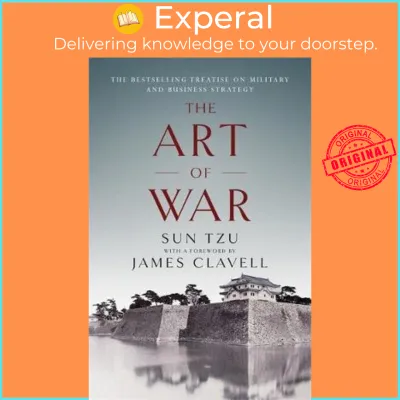
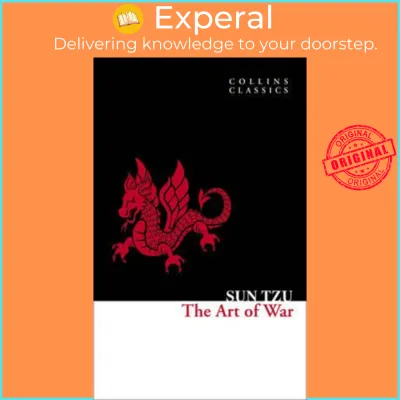
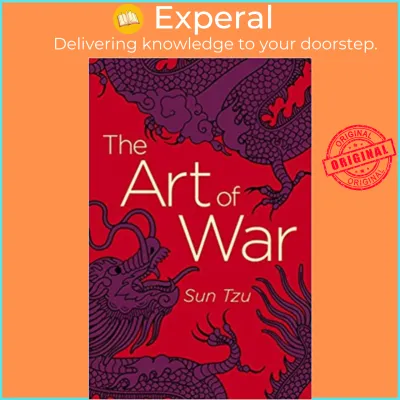
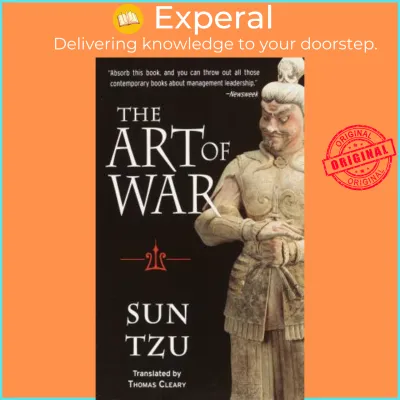
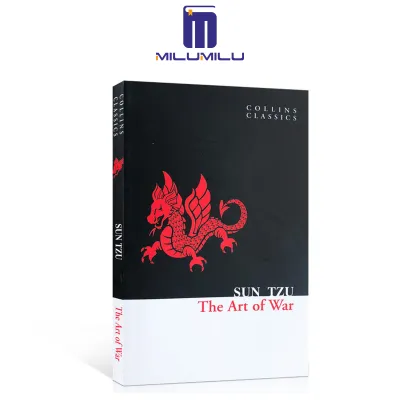
Prices are valid at publication and may change. Please refer to the product page for the latest price.
The second dimension is the presence, depth, and quality of annotations. Many editions include extensive commentary, chapter summaries, or corporate case studies that map Sun Tzu’s principles to real-world business scenarios. These annotations can range from brief footnotes explaining historical context to entire chapters dedicated to modern corporate strategy, marketing campaigns, or organizational management.
The third dimension is the background of the translator or annotator. Translations by academic scholars or military historians tend to focus on historical accuracy, philosophical depth, and cultural context. Conversely, editions annotated by business consultants, executive coaches, or management theorists focus heavily on practical application, leadership development, and competitive strategy. Identifying where an edition falls along these axes will help you match the book to your learning style and strategic goals.
Translation Approaches and Their Strategic Value
To choose the right edition, it is helpful to understand the two primary translation approaches available on the market: literal and historical translations, and annotated or business-adapted editions. Each approach offers distinct strategic value depending on how you plan to use the text.

Literal and Historical Translations
Literal and historical translations focus on linguistic accuracy and preserving the original context of the text. These versions are typically produced by sinologists, historians, or academic scholars who aim to convey Sun Tzu’s words as close to their original meaning as possible. They preserve ancient military terminology, such as references to chariots, archers, and specific historical battles, allowing you to experience the text in its original form.
For business leaders, the primary value of a historical translation lies in its purity. By reading the unvarnished text, you are free to draw your own parallels to modern corporate strategy without the bias of a modern interpreter’s commentary. This approach encourages deeper critical thinking and allows you to apply the principles to your unique business context, whether you are navigating a complex merger, managing a corporate restructuring, or launching a new product. However, the limitation of this approach is that it requires more cognitive effort and external study to translate ancient military tactics into actionable business frameworks.
Annotated and Business-Adapted Editions
Annotated and business-adapted editions are specifically designed to bridge the gap between ancient military strategy and modern corporate management. These versions often feature the original text alongside detailed commentary that explains how each principle applies to modern business scenarios, such as market entry, competitor analysis, and team leadership.
These editions frequently include corporate case studies, executive summaries, and structured frameworks that you can immediately apply to your daily operations. The trade-off, however, is that the annotator’s interpretation can sometimes dilute or misinterpret the original philosophical depth of the text. While these versions are highly valuable for quick reference, management training, or team workshops, they may limit your ability to form independent strategic insights if the commentary is overly prescriptive or focused on short-term business trends.
Decision Framework: Matching the Edition to Your Goals
To select the right edition of The Art of War for your professional needs, you must align the book’s format with your specific learning objectives and organizational context.
If your goal is deep philosophical study, long-term leadership development, and the cultivation of a highly personalized strategic mindset, a literal or historical translation is generally the most rewarding choice. These editions allow you to engage directly with the core text, fostering independent critical thinking and enabling you to build your own strategic frameworks over time. This approach is highly suited for senior executives and long-term planners who value timeless principles over temporary business trends.
Conversely, if you are looking for immediate, actionable frameworks to use in corporate training, team alignment workshops, or rapid strategic reviews, a business-annotated edition is highly effective. These versions provide a shared vocabulary and pre-packaged concepts that can help align your team’s approach to competition and market dynamics. They are particularly useful for middle managers, sales teams, and project leaders who need to apply strategic concepts quickly to ongoing projects.
However, you should be cautious if you are looking for highly specialized industry applications, such as tech startup methodologies or specific financial trading strategies. While The Art of War offers universal principles, generic business annotations may not address the unique regulatory, technological, or operational realities of your specific sector. In such cases, it is often better to read a high-quality historical translation and pair it with industry-specific strategy guides.
Finally, always verify whether the edition you are considering contains the complete, traditional 13 chapters. Some business-focused editions are heavily abridged, offering only a collection of quotes or simplified summaries. While these may be convenient for a quick read, they often omit the crucial contextual warnings and nuanced strategic conditions that are essential for robust corporate planning.
What to Verify Before Purchasing
Before purchasing an edition of The Art of War from an online marketplace or a local bookstore in Singapore, it is essential to perform several practical checks to ensure you receive the exact version you intend to read. Because the book is in the public domain, there are hundreds of different editions available, many of which feature identical cover designs or generic titles but contain vastly different translations and commentary.
First, check the specific translator’s or annotator’s name and credentials. Do not rely solely on the book’s title or cover art, as these can be misleading. Verify whether the translator is a recognized academic scholar, a military historian, or a business strategist, and ensure their background aligns with your reading goals.
Second, verify the publication date, publisher, and ISBN. The market is flooded with unauthorized, poorly formatted, or AI-generated print-on-demand copies that may contain spelling errors, missing chapters, or low-quality translations. Purchasing from established publishers and verifying the ISBN against reputable bibliography databases can help you avoid these low-quality editions.
Third, confirm the physical or digital format of the book. If you are purchasing an e-book, verify its compatibility with your reading device and check for any regional restrictions that might affect access in Singapore. Ensure the product description explicitly lists the full text of the 13 chapters along with any promised appendices, commentary, or study guides, as some digital editions omit these supplementary materials.
Frequently Asked Questions (FAQ)
Is an abridged version sufficient for corporate strategy?
Abridged versions or collections of selected quotes are generally insufficient for comprehensive corporate strategy. While they may offer quick inspiration or memorable catchphrases for a presentation, they often omit the critical context, warnings, and systemic logic of Sun Tzu’s philosophy. The traditional 13 chapters are designed as a cohesive, sequential framework; skipping sections can lead to a superficial understanding and the misapplication of strategic principles in complex business environments. For robust leadership development and strategic planning, always opt for a complete, unabridged edition.
Do I need a version with modern corporate case studies?
Whether you need modern corporate case studies depends entirely on your learning style and how you plan to apply the text. Case studies can be highly beneficial for readers who find abstract philosophy difficult to translate into concrete actions, as they provide clear examples of how companies have successfully or unsuccessfully applied these principles. However, these examples can quickly become outdated as market conditions and technologies change. If you prefer timeless principles that you can adapt to any future business landscape, a clean, unannotated translation is often the more durable investment.
Community discussion
Share your experience or ask a question. Comments are reviewed before publication.