
Selecting the ideal format of Autobiography of a Yogi depends on whether your priority is active study, daily convenience, or immersive listening. Because this spiritual classic contains dense philosophical concepts, historical context, and Sanskrit terminology, the medium you choose directly shapes how you absorb and reflect on the material. There is no single format that suits every reader; instead, the choice between a physical book, a digital e-book, or an audiobook should align with your daily routine, learning style, and long-term reading goals.
By evaluating the practical differences between these formats, you can select an edition that integrates seamlessly into your lifestyle. Whether you prefer the tactile experience of highlighting physical pages, the convenience of searching digital text on a crowded train, or the reflective experience of listening to a spoken narrative, understanding the unique attributes of each medium ensures a more rewarding reading journey.
Comparing the Main Formats: Print, Digital, and Audio
Physical print editions, comprising paperbacks and hardcovers, remain the traditional choice for many readers of spiritual literature. A hardcover edition offers exceptional durability, making it an excellent investment for a book you intend to read multiple times or keep as a permanent reference. Hardcovers often feature lay-flat binding, which is highly practical if you want to keep the book open on a desk or altar while taking notes or meditating. Paperback editions, on the other hand, offer a lighter and more flexible alternative. They are generally more cost-effective and highly portable, allowing you to slip the book into a bag for reading during quiet moments throughout the day. However, physical books do require adequate lighting and physical storage space, and they lack the instant search capabilities of digital formats.
Products mentioned in this guide

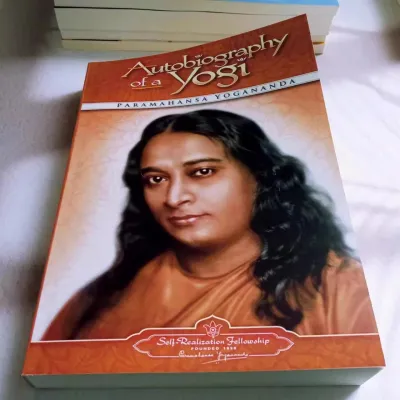


Prices are valid at publication and may change. Please refer to the product page for the latest price.
Digital e-books provide unmatched convenience and accessibility, especially for a text filled with unfamiliar terminology. When reading Autobiography of a Yogi as an e-book, you gain access to built-in dictionary functions and search tools. If you encounter a complex Sanskrit term or want to find every passage mentioning a specific historical figure, you can locate the information instantly without flipping through hundreds of pages. E-books also allow you to adjust the font size, typeface, and screen brightness, which helps reduce eye strain during long reading sessions. The primary trade-off is the reliance on a compatible electronic device and the potential for digital distractions from notifications if you are reading on a tablet or smartphone.
Audiobooks transform the reading experience into an auditory journey, making the text accessible during times when physical reading is impossible. Listening to the narrative can create a deep sense of personal connection, as the conversational tone of the book translates naturally to spoken word. This format is highly efficient for individuals with busy schedules, allowing them to engage with the teachings while commuting, exercising, or performing household tasks. However, reflective listening requires a different kind of focus than visual reading. Because the text contains profound philosophical arguments, you may find yourself needing to pause or rewind frequently to fully digest the concepts, which can disrupt the flow of an audio track.
Critical Edition Differences to Verify
Before finalizing your purchase, it is essential to verify whether the edition you are considering is abridged or unabridged. Autobiography of a Yogi has a complex publishing history, and some low-cost or public-domain editions may omit entire chapters, extensive footnotes, or the author’s final updates. An abridged version might save time, but it often sacrifices the depth, historical context, and spiritual explanations that make the book a classic. To ensure you are receiving the complete, unaltered text, always check the product specifications for the page count in print editions or the total running time in audiobooks. An unabridged audiobook typically spans over eighteen hours, while a complete print edition generally exceeds four hundred pages.

Language and translation quality are equally critical factors to verify, particularly if you are purchasing the book in a language other than the original English. The author wrote the book in English, utilizing specific terminology to convey subtle spiritual concepts to a Western audience. If you prefer to read a translated version, research the publisher to ensure the translation is authorized and accurate. Poorly executed translations can distort the meaning of complex philosophical passages, leading to confusion. For the original English text, check that the spelling and phrasing have not been unnecessarily modernized or altered by unauthorized publishers, which can detract from the authentic voice of the narrative.
Supplementary materials can significantly enrich your understanding of the text, but their inclusion varies widely across different editions. The complete work originally featured numerous historical photographs, a comprehensive glossary of spiritual terms, and detailed explanatory footnotes. Many budget reprints strip away these essential elements to minimize production costs. When browsing online bookstores, look closely at the table of contents or product descriptions to confirm that the edition includes the original photographs and the author’s complete appendices. These supplementary materials provide invaluable context that helps clarify the historical and cultural background of the events described in the book.
Matching the Format to Your Reading Lifestyle
Your daily environment, available time, and intended depth of study are the primary factors that should dictate your choice of format. A format that works perfectly for a dedicated student may not suit someone trying to fit reading into a hectic daily schedule. By analyzing how you plan to interact with the text, you can select the medium that best supports your personal goals.
For Deep Study, Annotation, and Collection (Print)
For readers who approach the text as a study guide or a manual for personal development, a physical print edition is highly advantageous. Active reading often involves highlighting key passages, writing personal reflections in the margins, and placing bookmarks at critical sections for quick reference. The physical act of turning pages and seeing your own handwritten notes creates a spatial memory of the text, making it easier to recall and locate specific teachings later.
Additionally, a high-quality print edition, particularly a hardcover, serves as a meaningful collectible. Many readers view this book as a lifelong companion and prefer to have a beautiful, durable copy displayed in their home library or placed in a dedicated quiet space. A physical book also makes a thoughtful, lasting gift for friends or family members embarking on a spiritual journey, offering a tangible presence that digital files cannot replicate.
For Commuting, Chores, and Multitasking (Audiobook)
The audiobook format is highly suited for individuals who want to integrate spiritual reading into a busy urban lifestyle. If you spend significant time commuting on public transport, such as the MRT in Singapore, or driving in traffic, listening to an audiobook can turn otherwise unproductive travel time into an opportunity for reflection. It allows you to engage with the text without the physical inconvenience of holding a heavy book or staring at a screen in a crowded carriage.
When choosing an audiobook, the narrator’s tone, pacing, and pronunciation are critical to the overall experience. A calm, measured delivery matches the reflective nature of the text, helping you absorb the philosophical concepts without feeling rushed. It is also beneficial to listen to a sample beforehand to ensure the narrator pronounces Indian names and Sanskrit terms accurately, as incorrect pronunciation can be highly distracting and detract from the authenticity of the narrative.
For Travel, Quick Reference, and Accessibility (E-book)
An e-book is the most practical choice for frequent travelers and readers who value portability above all else. Instead of carrying a bulky physical volume in your luggage, you can store the entire text on a lightweight e-reader, tablet, or smartphone. This allows you to access the book whenever you have a few spare minutes, whether you are waiting for an appointment or traveling abroad, without adding any physical weight to your belongings.
The accessibility features of digital readers also make e-books highly appealing for those who read in varying environments. If you prefer to read in low-light conditions before sleeping, you can adjust the screen contrast or use a dark mode to prevent eye strain. The ability to enlarge the font size is particularly beneficial for readers who find small print in standard paperbacks difficult to read, ensuring a comfortable and customizable reading experience.
Pre-Purchase Checklist for Online Retailers
To avoid purchasing an incomplete, poorly formatted, or incompatible version of Autobiography of a Yogi from online marketplaces, use this practical checklist before finalizing your order:
- Verify the Publisher and Edition: Check the product details for the name of the publisher. Look for editions produced by recognized spiritual organizations or reputable publishers that guarantee the inclusion of the author's final updates, original photographs, and complete footnotes.
- Confirm the Page Count or Audio Duration: Ensure the print edition has a substantial page count (typically over 400 pages) or that the audiobook duration is complete (usually exceeding 18 hours) to confirm you are buying the unabridged text.
- Check Digital File Compatibility: If purchasing an e-book, verify that the file format is compatible with your specific e-reader. Ensure you are buying the correct format (such as EPUB or a proprietary format compatible with your device) to avoid formatting errors or transfer issues.
- Listen to an Audio Sample: For audiobooks, always play the publisher's sample. Pay close attention to the narrator's voice, pacing, and clarity of pronunciation to ensure it provides a pleasant and immersive listening experience.
- Read Customer Reviews for Formatting Issues: Scan user reviews specifically for complaints regarding poor digital formatting, missing images, or low-quality paper in print editions, which are common issues with unauthorized public-domain reprints.
Frequently Asked Questions (FAQ)
Is there an official or authorized publisher I should look for?
Yes, the Self-Realization Fellowship (SRF) is the international organization founded by Paramahansa Yogananda to preserve and distribute his writings. Editions published by SRF, or its affiliate Yogoda Satsanga Society of India, are authorized versions that contain the author’s final revisions, complete chapters, original photographs, and comprehensive index. Checking for the official publisher emblem on the cover or in the product description is the most reliable way to ensure you are purchasing an authentic and complete edition.
Can I borrow the e-book or audiobook from a local library?
Yes, readers in Singapore can often borrow digital versions of the book through local library services. The National Library Board (NLB) provides access to extensive digital catalogs via applications such as Libby. By logging in with your library credentials, you can search for Autobiography of a Yogi to see if the e-book or audiobook format is available for free borrowing. This is an excellent, cost-free way to preview the text or experience different formats before deciding to purchase a permanent copy for your personal collection.
Community discussion
Share your experience or ask a question. Comments are reviewed before publication.