
Finding the right cajon with bag in Singapore requires balancing instrument protection with the realities of urban commuting. Navigating crowded MRT trains, walking through sudden tropical downpours, and moving between air-conditioned venues and humid outdoor spaces can place immense stress on both the instrument and its carrying case. A well-matched cajon and bag combination ensures your percussion gear remains safe from physical impacts and moisture while remaining comfortable to transport.
To make the right choice, you must evaluate how and where you plan to play. A casual hobbyist who occasionally brings an instrument to a friend’s home has vastly different requirements than a professional busker relying on public transit or a gigging musician loading heavy gear into a vehicle. By analyzing your playing scenarios, understanding key bag specifications, and verifying sizing compatibility, you can secure a setup that protects your investment and enhances your performance routine.
Identifying Your Primary Playing Scenario
Every percussionist has a unique routine, and identifying your primary playing scenario is the first step in choosing the right cajon and bag combination. For gigging musicians, transport often involves loading gear into car trunks or vans alongside heavy hardware like drum thrones, cymbal stands, and amplifiers. In these high-impact environments, a basic fabric slipcover offers virtually no protection against shifting gear. Gigging percussionists require bags with dense, high-impact foam padding or semi-rigid walls that can withstand external pressure and prevent the cajon’s delicate wooden corners from chipping.
Products mentioned in this guide
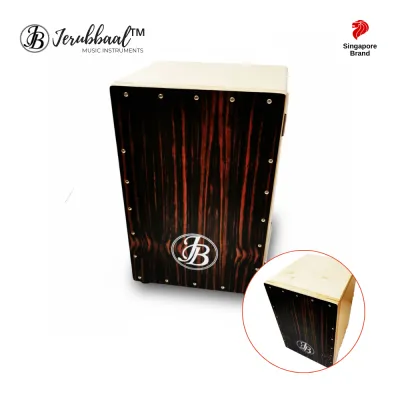
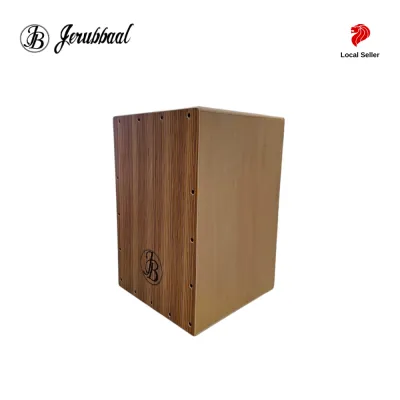
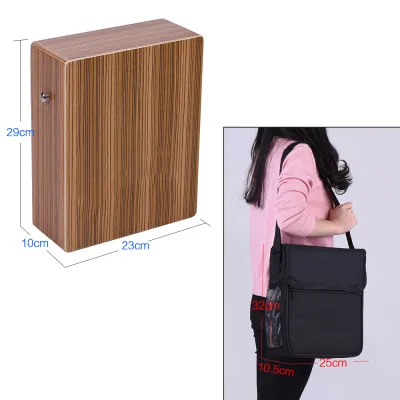
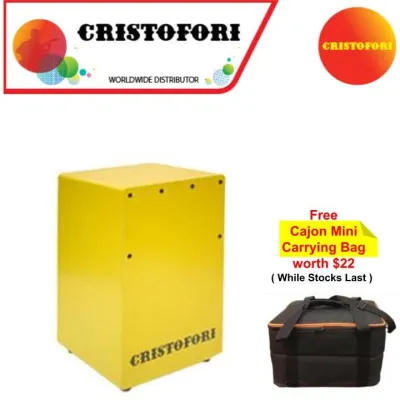
Prices are valid at publication and may change. Please refer to the product page for the latest price.
Buskers face the physical challenge of transporting their gear across Singapore’s pedestrian walkways and public transit networks. If you are carrying a cajon while walking from an MRT station to a performance spot, weight and ergonomics are your primary concerns. A heavy, single-handle bag will quickly cause muscle fatigue before your performance even begins. Buskers should prioritize lightweight cajons paired with bags featuring thick, adjustable backpack straps, chest connectors, and breathable mesh back padding to manage heat and humidity during transit.
For those who primarily participate in casual jam sessions or occasional community meetups, the demands on transport gear are much lower. Your instrument likely spends most of its time stored safely at home, with only occasional trips in a private vehicle. In this scenario, a lightweight bag with moderate padding (around 5mm to 10mm) and a reliable top carry handle is usually sufficient, allowing you to allocate more of your budget toward the acoustic qualities of the cajon itself.
Essential Features to Evaluate in a Cajon Bag
When shopping for a cajon with bag, the quality of the carrying case is just as important as the instrument itself. The first feature to evaluate is the padding thickness and structural rigidity. Soft bags with less than 10mm of padding are highly portable but offer minimal impact protection. Semi-rigid options, featuring 15mm to 25mm of high-density foam and reinforced plastic panels, strike the best balance for most active players, offering excellent shock absorption without excessive weight. Hard cases are reserved for heavy touring where the instrument is stacked under heavy equipment.

The carrying system is another critical component that directly affects your comfort. Look for bags equipped with wide, padded backpack straps that distribute weight evenly across both shoulders. Thin, unpadded straps can cut into your shoulders during long walks, especially when carrying a full-sized hardwood cajon. Additionally, check the quality of the attachment points; metal D-rings and reinforced stitching are far more durable than plastic clips, which can crack under tension. A sturdy, rubber-molded top handle is also essential for quick lifting and short maneuvers.
Fabric durability and weather resistance are vital considerations in Singapore’s tropical climate. The exterior shell should be constructed from heavy-duty, high-denier polyester or nylon, such as 600D or 1200D fabric, which resists tears and abrasions. While few gig bags are entirely waterproof, water-resistant coatings and rubberized bottom panels help prevent moisture from seeping in when you set the bag down on wet pavement. Pay close attention to the zippers; large, heavy-duty nylon coil zippers with dual sliders are less likely to snag or split open under pressure than cheap, thin alternatives.
Finally, consider the utility of external storage compartments. A good cajon bag should feature at least one large zippered pocket on the front or side. This space is invaluable for carrying essential accessories such as cajon brushes, shaker instruments, castanets, tuning keys, and sheet music. Some advanced bags even include dedicated straps or pockets for a cajon pedal, allowing you to carry your entire performance setup on your back in a single trip.
Aligning Cajon Dimensions and Materials with the Bag
A common mistake when purchasing a cajon with bag is assuming that all instruments and cases are universally compatible. Cajons come in various shapes and sizes, ranging from standard full-size models to compact travel versions, sloped-front designs, and hybrid acoustic-electronic instruments. A standard adult cajon typically measures approximately 50 cm in height, 30 cm in width, and 30 cm in depth. However, even a variance of one or two centimeters can make a bag either too tight to zip safely or too loose, causing the instrument to shift during transport and suffer internal damage.
Before making a purchase, always measure the exact external dimensions of your cajon—including any rubber feet, external pickup jacks, or snare adjustment knobs—and compare them directly against the internal dimensions of the bag. If you are buying a pre-packaged bundle, verify that the included bag is specifically tailored to that model’s physical profile. For non-standard instruments, such as angled or wedge-shaped cajons, a specialized bag designed by the manufacturer is almost always more appropriate than a generic rectangular gig bag, as it prevents unnecessary stress on the zippers and seams.
The materials used to construct the cajon also play a significant role in transport decisions. Cajons made from dense hardwoods like birch, beech, or oak offer excellent projection and rich bass tones, but they are noticeably heavier than those made from plywood. If you anticipate carrying your instrument over long distances on foot, the combined weight of a heavy hardwood cajon and a heavily padded bag can exceed six or seven kilograms. In such cases, you may want to look for lightweight plywood models or compact travel cajons that deliver acceptable acoustic performance while significantly reducing the physical strain on your back.
Evaluating Bundles and Retailer Policies in Singapore
When acquiring a cajon with bag, you will often face the choice between buying a manufacturer-packaged bundle or selecting the instrument and bag separately. Bundles are highly convenient and frequently offer a lower combined price than purchasing each item individually. However, manufacturers sometimes include thin, unpadded dust covers rather than protective gig bags in basic bundles. If you opt for a bundle, read the product specifications carefully to ensure the included bag meets the padding and strap requirements of your primary playing scenario.
Purchasing from local music retailers in Singapore offers distinct advantages over ordering from overseas online platforms. Visiting a physical showroom allows you to test the cajon’s sound, feel its weight, and physically fit it inside various bags to check the tightness of the zippers and the comfort of the backpack straps. Furthermore, local distributors can provide direct warranty support. A warranty is particularly valuable for both the cajon’s structural joints and the bag’s zippers and seams, which are the most common points of failure over time.
If you decide to purchase online, pay close attention to the retailer’s return and exchange policies. Ensure that the seller allows returns or exchanges in the event of a sizing mismatch, shipping damage, or manufacturing defect. Because shipping a large, bulky item like a cajon can be costly, verify whether the retailer covers return shipping fees or if you can exchange the item at a local drop-off point in Singapore. Always inspect the package immediately upon delivery, checking the wooden corners of the cajon for cracks and testing all zippers on the bag to ensure smooth operation.
Frequently Asked Questions (FAQ)
Can I use a generic padded gig bag instead of a brand-specific one?
Yes, you can use a generic padded gig bag, provided the internal dimensions closely match your cajon’s measurements. A generic bag must have sufficient padding—ideally at least 10mm to 15mm of high-density foam—to prevent the instrument from sliding around inside. If the bag is too large, the cajon may shift during transport, which can damage the corners or scratch the finish. Always measure your instrument carefully before purchasing a non-branded case to ensure a snug, secure fit.
How do I protect my cajon from humidity when storing it in the bag?
Singapore’s high humidity can warp wood and affect the tension of your cajon’s frontplate. To protect your instrument, place several large silica gel packs inside the bag to absorb excess moisture. Avoid storing the cajon in its bag immediately after a sweaty outdoor performance; let the instrument air out in an air-conditioned room first. Additionally, never store the bagged cajon in direct sunlight, damp storage rooms, or trunk spaces where extreme temperature fluctuations can cause condensation to build up inside the case.
Community discussion
Share your experience or ask a question. Comments are reviewed before publication.