
Selecting the right drum floor mat depends entirely on your primary playing environment. For apartments, you need high-density vibration decoupling to prevent structural noise from reaching neighbors. For home studios, the focus shifts to acoustic absorption and heavy-duty hardware stability. For the live stage, portability, rapid flattening, and high-visibility safety features are paramount. Selecting the right mat requires balancing these distinct needs against your space constraints and budget.
A drum kit is a highly dynamic instrument. Every strike of the bass drum pedal or snare sends physical energy downward. Without an effective barrier, this energy transforms into structural noise or causes your hardware to creep forward during a performance. Understanding the specific demands of your space ensures you invest in a solution that protects your floors, keeps your kit stable, and maintains peace with those around you.
Assessing Your Playing Environment and Noise Constraints
Before purchasing a drum floor mat, you must analyze the physical characteristics of your drum room. In multi-story residential buildings, structural noise transmission is the primary concern. When a kick pedal strikes the bass drum, the impact travels directly through the pedal assembly, into the floor, and radiates as low-frequency thuds in the room below. This is structural noise, and it is far more difficult to block than airborne sound.
Products mentioned in this guide
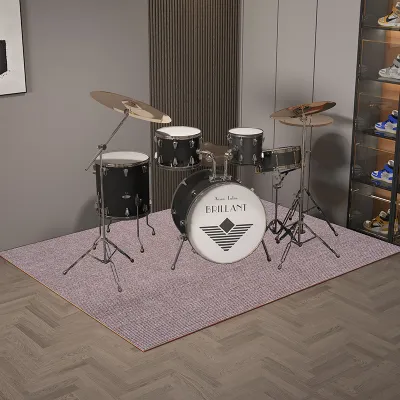
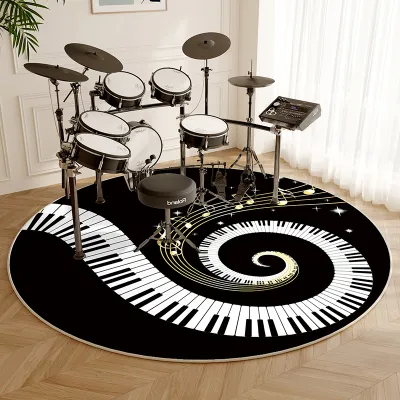
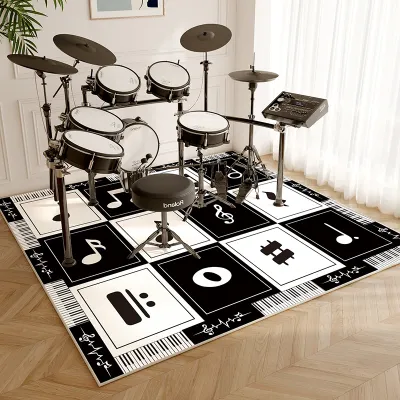
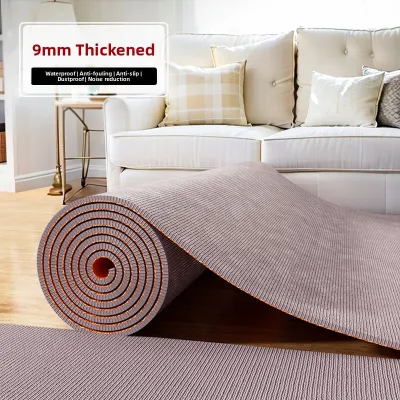
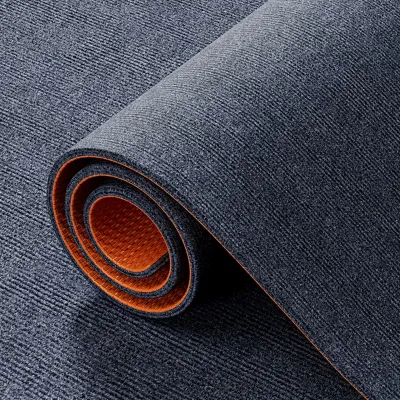
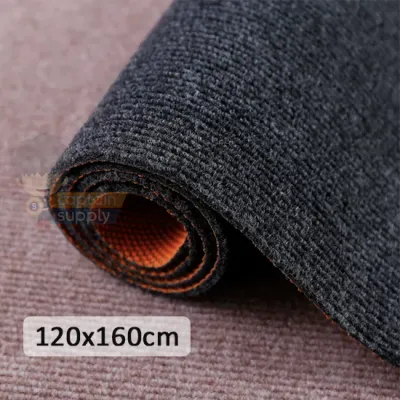
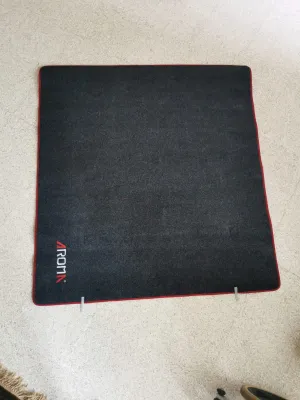
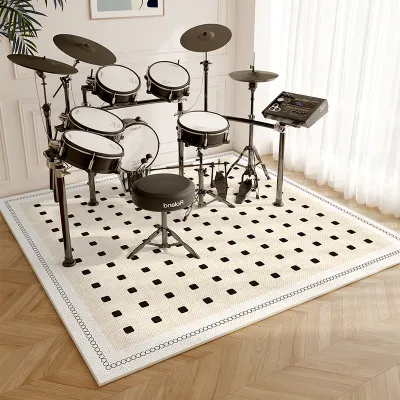
Prices are valid at publication and may change. Please refer to the product page for the latest price.
To address this, you must evaluate the core trade-offs between sound isolation, vibration dampening, and portability. A thick, heavy mat provides excellent vibration dampening but is highly impractical to transport to a weekend gig. Conversely, a thin, lightweight stage mat offers excellent portability but will do very little to keep your downstairs neighbors happy.
Begin by measuring your available floor space. A standard five-piece acoustic drum kit typically requires a footprint of at least 1.5 meters by 1.2 meters, while electronic kits can sometimes fit into slightly smaller configurations. Once you have your dimensions, check the manufacturer specifications for mat thickness, density, and material composition. Look for dense rubber backings or multi-layer foam constructions rather than relying on generic, unverified soundproofing claims.
Selecting a Mat for Apartment Practice
Apartment drumming demands a heavy focus on impact noise reduction. Standard carpets or thin rugs do not possess the density required to decouple your pedals from the floor structure. For these environments, look for mats featuring high-density materials and multi-layer constructions. These specialized mats are engineered to absorb the downward kinetic energy of your footwork, preventing the vibration from turning the floor joists into a giant speaker.

Spatial constraints are another critical factor in residential living. If your drum kit occupies a shared room or a multi-purpose study, a permanent, bulky mat may not be feasible. In these cases, prioritize foldable, rollable, or modular interlocking mats. Interlocking foam or rubber tiles allow you to customize the footprint to your exact setup and disassemble the entire arrangement when you need to reclaim the floor space.
Additionally, pay close attention to the surface texture of both sides of the mat. The top surface must feature a tightly woven, loop-pile carpet or a textured rubber grip that allows your bass drum spurs and pedal clamps to bite in securely. The bottom surface must feature a non-slip, high-friction material that grips smooth residential flooring—such as polished parquet, laminate, or ceramic tiles—without leaving sticky residues or causing discoloration over time.
Choosing a Mat for Home Studio Recording
In a home studio, the priorities shift from pure isolation to acoustic control and long-term durability. Hard, reflective flooring surfaces can ruin a recording by bouncing high-frequency reflections from cymbals and snare drums back into your overhead microphones. A high-quality studio drum floor mat should feature a non-reflective, acoustically absorptive top layer. This fabric layer helps tame flutter echoes and tightens the overall acoustic response of the room.
Hardware stability is equally critical during long tracking sessions. Heavy-duty stands, heavy cymbals, and aggressive playing can cause a drum kit to slowly drift, ruining microphone placements mid-take. To prevent this, select a mat with a heavy, thick rubber base. The sheer weight of a heavy-duty studio mat keeps it firmly anchored to the floor, ensuring that once your hardware is positioned, it remains exactly where you placed it.
Because studio mats are typically left in place for extended periods, material safety and durability are paramount. Check product labels for low chemical emissions and off-gassing certifications, especially if your studio is located in a basement or a room with limited ventilation. High-durability materials resist the crushing weight of heavy hardware spikes and stand feet without developing permanent, deep depressions that compromise the mat’s structural integrity.
Picking a Mat for Live Stage Performances
For the gigging drummer, portability and rapid setup are the most important factors. A heavy, rigid studio mat is a liability when you have only fifteen minutes to set up or clear the stage. Instead, look for lightweight, highly rollable designs. Many stage-focused mats come equipped with integrated utility straps, nylon carrying bags, or quick-release buckles, allowing you to sling the mat over your shoulder alongside your hardware bag.
Stage environments present unique safety challenges, particularly in low-light venues. Look for mats designed with high-visibility borders, reflective piping, or distinct color-blocked edges. These visual cues help stagehands, bandmates, and venue staff identify the boundaries of your drum riser, preventing accidental trips and protecting sensitive gear like microphone stands and cables.
A critical performance check for any stage mat is how quickly it lies flat after being tightly rolled in transit. A mat that curls at the corners creates a severe tripping hazard and makes it incredibly frustrating to position your stands flat on the ground. Verify that the mat’s material composition is engineered to resist curling, allowing it to lay completely flat the moment you unroll it on the stage.
Evaluating Cross-Scenario Compatibility
If you practice at home and gig regularly, you might wonder if a single drum floor mat can handle both environments. Using a heavy, multi-layered apartment isolation mat for live gigs is physically exhausting and can quickly wear out the mat’s structural layers during transport. Conversely, using a thin, highly portable stage mat in your apartment will likely result in noise complaints from neighbors due to its lack of vibration-dampening properties.
If you require a hybrid solution, look for mats that strike a balance. A medium-weight mat with a dense, thin rubber backing and a durable carpet top can offer moderate vibration dampening for daytime apartment practice while remaining rollable enough for occasional transport.
When a single mat cannot meet both extreme isolation and high portability needs, consider using supplementary solutions. For example, you can use a lightweight, portable mat for your live gigs, and pair it with a dedicated, DIY kick drum riser or isolation blocks at home. This allows you to keep your heavy-duty sound isolation setup permanently installed in your apartment while keeping your mobile stage rig light and efficient.
Setup, Anchoring, and Maintenance Guidelines
Proper installation and maintenance are essential to maximize the lifespan and performance of your drum floor mat. When setting up your kit, follow the manufacturer’s instructions regarding the use of hardware spikes. While spikes are excellent for anchoring your bass drum and pedal brackets to the carpeted surface of the mat, over-extending them can puncture the protective rubber backing and damage the underlying floor.
To prevent the mat itself from sliding on exceptionally slick floors, you can apply specialized non-slip rug pads or double-sided grip tape designed for musical gear. Always test these adhesives on an inconspicuous area of your floor first to ensure they will not damage the finish.
Routine cleaning keeps your mat looking professional and prevents dirt from degrading the fibers. Vacuum the carpeted surface regularly to remove wood shavings from drumsticks and general dust. For rubber or foam layers, wipe them down with a damp cloth and mild soap, avoiding harsh chemical solvents that can break down the synthetic polymers. Periodically inspect your mat for signs of wear, such as compression set under the pedals, tearing along the edges, or a loss of grip on the bottom surface, and replace the mat when it no longer provides stable support.
Frequently Asked Questions (FAQ)
Can I use a regular carpet or rug instead of a dedicated drum mat?
While a standard household rug or carpet remnant might seem like a budget-friendly alternative, they generally lack the specialized features of a dedicated drum floor mat. Standard rugs rarely have a heavy, non-slip rubber backing, meaning they will easily slide across smooth floors under the force of your playing. Furthermore, household carpets are typically not dense enough to absorb structural vibrations, nor are they durable enough to withstand the repeated digging of metal hardware spikes and pedal clamps, leading to rapid wear and potential floor damage.
Do I need a separate riser if I already have a thick drum floor mat?
A thick drum floor mat is highly effective at absorbing mid-to-high-frequency impact noise, but it has physical limits when it comes to low-frequency, structural vibrations. The deep energy generated by a bass drum strike can easily bypass a standard mat and travel through the building’s structure. If you live in a multi-story apartment with sensitive neighbors or thin concrete floors, pairing your thick mat with a dedicated acoustic riser—such as a platform built with tennis balls or specialized isolation pucks—is often necessary to fully decouple your kit and eliminate low-frequency noise transmission.

Community discussion
Share your experience or ask a question. Comments are reviewed before publication.