
Choosing the right Grimm’s Fairy Tales collection for your child in Singapore requires balancing their developmental stage with the book’s level of adaptation, translation style, and physical format. While the original 19th-century stories compiled by Jacob and Wilhelm Grimm contain dark, cautionary elements, modern editions range from highly sanitized board books for toddlers to scholarly, unabridged volumes for older readers. By matching the book’s complexity to your child’s reading level and verifying key publishing details, you can foster a lifelong love for classic folklore.
Quick Guide to Choosing Grimm's Fairy Tales by Age
Selecting the right book format and content adaptation ensures that the stories remain engaging rather than overwhelming for your child. Children process narrative structures and thematic elements differently as they grow, making age-appropriate selection essential.
For toddlers and preschoolers aged two to five, focus on sensory engagement and basic narrative arcs. Board books and highly illustrated single-story picture books are ideal. The content must be heavily sanitized, removing any frightening elements like severe punishments or scary transformations to keep the reading experience positive.
Products mentioned in this guide
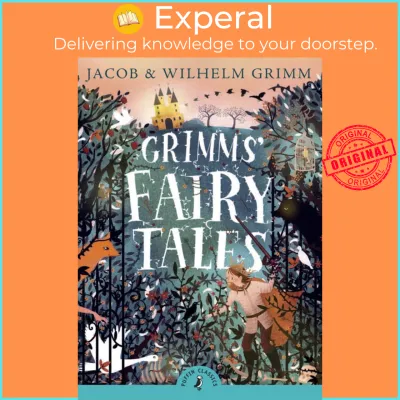
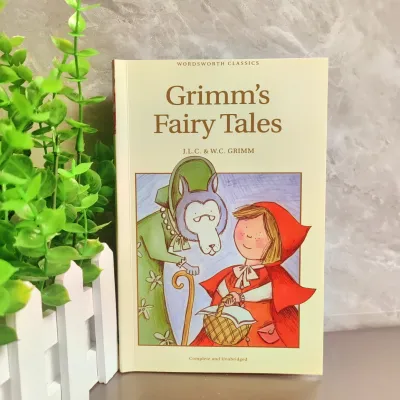
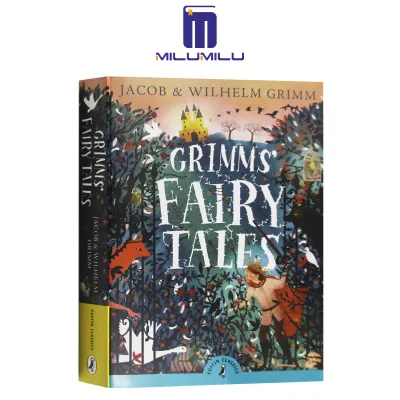
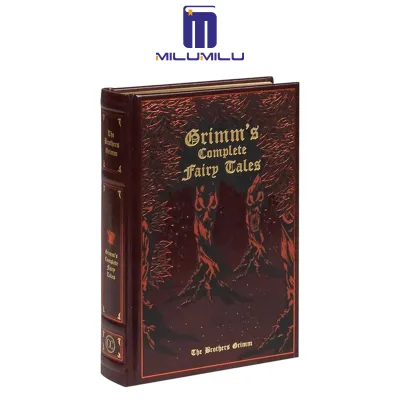
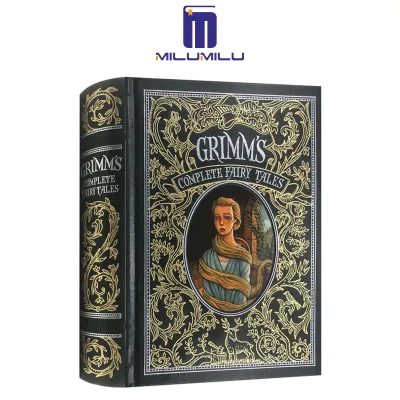
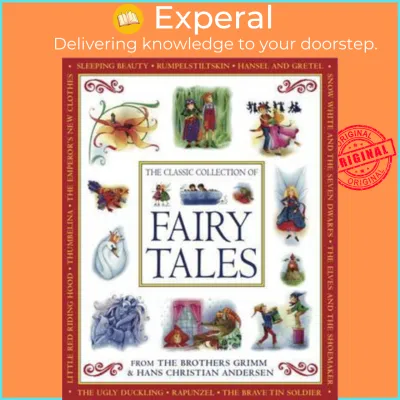
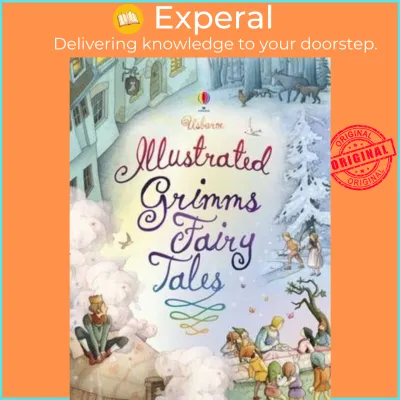
Prices are valid at publication and may change. Please refer to the product page for the latest price.
Early and independent readers aged six to eight benefit from transitional formats. These are often illustrated compilations containing five to ten of the most famous tales, such as Rapunzel or Hansel and Gretel. The text should feature simplified sentence structures and larger fonts, while still retaining the core moral lessons of the stories.
Older children aged nine and above can handle comprehensive collections. These readers are ready for longer chapter books with fewer illustrations. Depending on their maturity, they can progress from moderately adapted stories to complete, unabridged translations that preserve the historical and cultural nuances of the original German folklore.
Key Factors to Consider When Selecting an Edition
When evaluating different editions of Grimm’s Fairy Tales, several critical factors distinguish a high-quality volume from an unsuitable one. Understanding these differences helps you find a version that aligns with your family’s values and reading goals.

Translation quality is paramount because the Grimm brothers wrote in 19th-century German. Translators have different philosophies; some aim for literal accuracy, which can result in archaic language, while others prioritize modern readability. Look for reputable translators who balance historical fidelity with engaging prose suitable for reading aloud.
The degree of sanitization varies widely across modern publications. The original tales were not initially written for children but were academic records of oral folklore containing dark themes and physical violence. Modern publishers often modify these elements, so parents must decide whether they want a softened version where the antagonist is simply chased away, or an authentic translation where characters face traditional consequences.
Illustration style dictates how a child perceives the story. Whimsical, bright, and cartoonish illustrations keep young children engaged and reduce the fear factor of intense scenes. Conversely, atmospheric, detailed, or traditional illustrations suit older readers who appreciate the mysterious and historical nature of the tales.
Physical durability is especially important in Singapore’s tropical climate, where high humidity can cause rapid deterioration of books. Cheap paperbacks with low-grade paper are highly susceptible to foxing, which causes brown spots, and page warping. For a collection intended to be kept as a family heirloom, look for hardcovers with acid-free paper, sewn bindings rather than glued ones, and sturdy dust jackets to ensure the book survives frequent handling.
Matching the Right Collection to Your Child's Reading Level
A child’s reading journey is defined by their comfort with vocabulary, sentence structure, and visual cues. Selecting an edition that matches their current proficiency prevents frustration and encourages independent reading habits.
Picture Book Adaptations for Toddlers and Preschoolers
At this early stage, reading is a shared, sensory experience. Look for books that adapt a single story rather than an entire collection, using simplified plots that focus on a single, clear moral or event, such as cooperation or caution.
At this level, themes must be gentle. Any scary or violent elements are typically omitted or heavily modified to focus on the rescue and happy ending, ensuring the child feels safe during bedtime reading.
Sturdy construction is vital for young hands. Board books with rounded corners or thick, laminated paper pages are essential to withstand rough handling, accidental tears, and spills.
Visuals should dominate the page. Vibrant, high-contrast illustrations help toddlers connect spoken words with visual concepts, maintaining their attention during read-aloud sessions.
Illustrated Classics for Early and Independent Readers
This stage bridges the gap between picture books and full-text novels. Look for compilations structured into clear chapters or distinct story sections, allowing children to complete a full tale in a single sitting to build their reading confidence.
The vocabulary should challenge the reader slightly without causing frustration. Look for editions that introduce rich descriptive words while maintaining straightforward sentence structures.
Rather than overwhelming the child with all two hundred stories, these editions curate a selection of the most popular and accessible tales, keeping the book at a manageable weight and thickness.
Readability features are crucial for developing eyes. Ensure the text uses large, clear fonts with generous line spacing, accompanied by illustrations on almost every page spread to provide helpful visual context clues.
Unabridged and Annotated Editions for Older Children
For mature readers and teenagers, complete editions offer a deep dive into genuine folklore. These volumes preserve the original narrative structures, complete with the darker themes, moral complexities, and historical details that the Grimm brothers recorded.
Annotated editions are highly valuable for academic development. They provide historical context, footnotes, and essays explaining the cultural background of 19th-century Germany, turning reading into an educational experience.
The language in these editions is complex, featuring archaic terms, passive voice, and long, descriptive paragraphs that are excellent for expanding the vocabulary of advanced readers.
Because these texts contain mature themes, parental guidance or co-reading is highly recommended. Reading together allows parents to discuss difficult topics, such as harsh punishments or historical gender roles, helping children process the stories critically.
What to Verify Before Purchasing Online or In-Store
When shopping at local bookstores in Singapore or browsing online marketplaces, it is easy to buy the wrong edition due to similar titles and covers. Taking a few moments to verify specific product details ensures you receive the correct version.
First, always verify the International Standard Book Number (ISBN). The ISBN is a unique identifier that ensures you are purchasing the exact edition, translator, and publisher you want. Do not rely solely on the cover art, as publishers frequently update covers while keeping the same text, or use identical cover designs for different translations.
Second, review the table of contents. Some books marketed as “Grimm’s Fairy Tales” may only contain three or four stories padded with other authors’ works, while others might exclude famous tales your child specifically wants to read, such as Rapunzel or Hansel and Gretel.
Third, confirm the language edition. When ordering from international online platforms, double-check that the book is in English and not the original German or another translation, as search results can sometimes mix language editions.
Finally, check the physical dimensions and page count. A book that looks like a substantial hardcover online might turn out to be a pocket-sized edition with tiny print, or a massive, heavy volume that is too heavy for a child to hold comfortably in bed. Ensure the physical specifications match your intended use, whether it is a portable paperback for reading on the MRT or a beautifully bound gift edition for the study room. Prices can range from S$10 for simple paperbacks to over S$50 for collector’s hardcovers, so verifying these details helps ensure you get the right value for your budget.
Frequently Asked Questions (FAQ)
Are the original Grimm tales too scary for young children?
Yes, the original, unedited tales collected by the Grimm brothers in the 19th century can be quite frightening for young children. They were compiled as academic records of oral folklore rather than bedtime stories for toddlers, and they contain graphic violence, dark themes, and severe punishments. For younger children, it is highly recommended to choose sanitized picture book versions where these elements are removed. Reserve the unabridged, original translations for older children and teenagers who possess the cognitive maturity to understand the historical context of these cautionary tales.
How do Grimm's Fairy Tales differ from Hans Christian Andersen's stories?
The primary difference lies in their origin and authorship. The Grimm brothers did not write their stories; they were philologists who collected and recorded existing traditional German folk tales passed down through oral history. Consequently, Grimm tales often feature archetypal characters, clear moral boundaries, and traditional folklore motifs. In contrast, Hans Christian Andersen wrote original literary fairy tales from his own imagination, such as The Little Mermaid and The Ugly Duckling. Andersen’s stories tend to be more poetic, introspective, and melancholic, often focusing on personal suffering, spiritual themes, and complex emotional landscapes rather than the straightforward cautionary lessons found in the Grimm collection.
Community discussion
Share your experience or ask a question. Comments are reviewed before publication.