
When searching for an “ibamez” electronic guitar, the very first step is clarifying the brand name. The famous Japanese brand is spelled “Ibanez,” and listings using “ibamez” are almost always typographical errors or potential counterfeit indicators. For beginners in Singapore looking for a highly playable, reliable, and cost-effective instrument, choosing an authentic entry-level model from an authorized dealer is essential. A great beginner guitar must offer a comfortable neck, stable tuning, and versatile electronics that allow you to explore different musical genres without overwhelming technical hurdles.
Selecting your first instrument is a milestone that shapes your entire musical journey. A guitar that is difficult to tune or painful to play can quickly discourage a new player. By focusing on verified instruments, understanding key physical specifications, and knowing what hardware configurations suit your goals, you can find an instrument that inspires daily practice.
Verifying the Brand Name and Official Terminology
When browsing online marketplaces or classified ads, you may frequently encounter listings for an “ibamez” electronic guitar. It is critical to recognize that “ibamez” is not an official brand or a legitimate sub-brand. Instead, it is a common typographical error for “Ibanez,” a globally recognized manufacturer of high-quality stringed instruments. Because the letters “m” and “n” are adjacent on standard keyboards, this typo is widespread. However, some unscrupulous sellers may use this misspelling intentionally to list counterfeit goods or low-quality replicas that mimic the aesthetic of genuine instruments without meeting their manufacturing standards.
Products mentioned in this guide




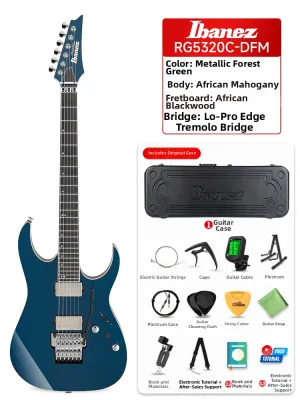
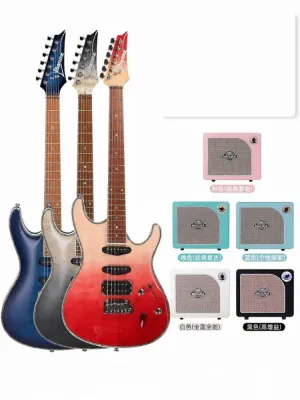

Prices are valid at publication and may change. Please refer to the product page for the latest price.
To protect your investment, always verify the authenticity of the instrument before committing to a purchase. Start by checking official brand registries and authorized dealer listings in Singapore. Genuine instruments are distributed through established music retailers who maintain direct relationships with the manufacturer. If you are purchasing a secondhand instrument, ask the seller for the serial number, which is typically printed on the back of the headstock. You can cross-reference this serial number with online database registries to confirm the year of manufacture, factory origin, and model specifications.
Additionally, closely examine the headstock logo and build quality markers. Authentic logos feature clean, precise lettering with consistent spacing and alignment. Counterfeit models often exhibit sloppy logo decals, uneven paint lines, or poorly finished fret ends. If the branding remains ambiguous, or if the seller cannot provide official documentation or a clear purchase history, it is best to stop the transaction immediately. Consulting a qualified guitar technician or contacting the manufacturer’s official customer support channel can save you from purchasing a substandard or counterfeit instrument.
Key Playability Features for Beginners
For those starting their musical journey, physical comfort and playability are the most critical factors to consider. The neck profile of the guitar directly influences how easy it is to form chords and transition between notes. Beginners generally benefit from a thinner neck profile, which reduces the hand strength required to press down on the strings. Many entry-level models designed by major brands feature slim neck profiles that accommodate smaller hands and minimize muscle fatigue during long practice sessions. Along with the profile, the fretboard radius—the curvature of the fretboard surface—plays a vital role. A flatter fretboard radius makes it easier to press down multiple strings simultaneously, facilitating cleaner chord transitions.

Scale length and overall body weight are also essential physical dimensions to evaluate. The scale length, which is the distance between the nut and the bridge, determines the tension of the strings. A standard scale length of 25.5 inches provides a familiar feel and bright tone, while a shorter scale length reduces string tension, making it easier for beginners to bend strings and press them down. The weight of the guitar body is equally important, especially for younger players or those who prefer practicing while standing. Lightweight body woods, such as poplar or basswood, offer excellent physical comfort without causing shoulder or back strain during extended practice.
Another crucial decision involves choosing between a fixed bridge and a tremolo system. A fixed bridge, often referred to as a hardtail, anchors the strings securely to the body. This design offers exceptional tuning stability, meaning the guitar stays in tune longer, even when subjected to temperature and humidity fluctuations. For beginners, a fixed bridge is highly recommended because it simplifies the tuning process and makes changing strings straightforward. In contrast, tremolo systems, which allow players to alter string tension using a whammy bar, introduce significant mechanical complexity. Budget-friendly tremolo systems can suffer from tuning instability, and adjusting them requires a steep learning curve that can frustrate new players who should be focusing on basic playing techniques.
Evaluating Electronics and Hardware Configurations
The electronics configuration of an electric guitar determines its tonal versatility and how well it suits different musical genres. Electric guitars use pickups—magnets wrapped in copper wire—to convert string vibrations into electrical signals. The two primary types of pickups are single-coils and humbuckers. Single-coil pickups produce a bright, crisp, and clear tone that is highly favored for genres like funk, blues, and classic rock. However, they are susceptible to electromagnetic interference, which can cause a noticeable background hum. Humbucking pickups use two coils configured to cancel out this interference, resulting in a thicker, warmer tone with minimal background noise, making them ideal for high-gain styles like hard rock and metal.
For a beginner, a versatile pickup configuration offers the opportunity to explore various musical styles. Many entry-level guitars feature a combination of both pickup types, such as an HSS (Humbucker-Single-Single) or HSH (Humbucker-Single-Humbucker) layout. These configurations allow you to switch between the warm, heavy tones of a humbucker and the bright clarity of single-coils using a simple pickup selector switch. A straightforward control layout is highly beneficial for new players. A single volume knob, a single tone knob, and a multi-way selector switch provide all the control you need to shape your sound without distracting you with overly complex active electronics or onboard preamps that require battery power.
Finally, ensure the guitar’s hardware is compatible with standard practice gear. The output jack should be a standard 1/4-inch (6.35mm) mono jack, which is the universal standard for musical instruments. This ensures seamless compatibility with standard instrument cables, practice amplifiers, audio interfaces, and headphone amplifiers. In Singapore, where residential living spaces like HDB flats often require quiet practice, having a guitar that easily connects to headphone-compatible practice amps or digital interfaces is a major advantage. Checking these hardware specifications beforehand ensures you can set up your practice space quickly and start playing without needing specialized adapters.
Pre-Purchase Inspection and Buying Checklist
Before finalizing your purchase, conducting a thorough pre-purchase inspection is vital to ensure you receive a high-quality, defect-free instrument. Begin with a visual inspection of the neck joint, which is the critical connection point between the neck and the body. Look closely for any hairline cracks in the finish or wood around this joint, as these can indicate structural weakness. Next, run your hand gently along both sides of the neck to check the frets. The metal fret wires should be flush with the edge of the fretboard. If you feel sharp metal edges protruding, this is known as “fret sprout,” a common issue in dry, air-conditioned environments or when wood shrinks due to humidity changes. While fixable, it is a sign of poor storage conditions.
Inspect the overall finish of the guitar for any deep scratches, dents, or finish cracks that might suggest the instrument was dropped or mishandled during shipping. Check the tuning pegs to ensure they turn smoothly without slipping or binding. If you are buying a complete beginner package, verify all included accessories against the official manufacturer’s packing list. A standard bundle should include the guitar, a gig bag, adjustment hex keys for the truss rod and bridge saddles, and an owner’s manual. Missing adjustment tools can make future setups difficult, so ensure they are present in the packaging.
Lastly, carefully review the retailer’s policies and credentials. Purchasing from an authorized dealer ensures that you are getting a genuine product backed by a valid manufacturer’s warranty. Check the online retailer’s return policy, looking for a clear return window—typically 7 to 14 days—that allows you to return the instrument if you discover any hidden manufacturing defects. Understanding the warranty terms is equally important, as electronic components like pickups, switches, and jacks can occasionally fail and require professional repair or replacement under warranty.
Frequently Asked Questions (FAQ)
Do I need a specific amplifier for an entry-level electric guitar?
No, you do not need a brand-specific amplifier for your entry-level electric guitar. Any standard electric guitar is compatible with any standard guitar amplifier using a universal 1/4-inch instrument cable. For beginners practicing at home, a compact practice amplifier rated between 10 to 15 watts is highly suitable. Look for amplifiers that feature a dedicated headphone jack, which allows for silent practice sessions without disturbing family members or neighbors. Additionally, many modern practice amplifiers come with built-in digital effects and auxiliary inputs, enabling you to play along with backing tracks directly from your phone or computer.
How can I verify the warranty for my purchased guitar?
To verify your guitar’s warranty, start by locating the physical warranty card or the digital registration invoice provided by the seller at the time of purchase. Authorized dealers will typically stamp or sign this card to validate the sale date. Next, visit the official website of the manufacturer or the authorized local distributor in Singapore to register your instrument online using its unique serial number. If you are unsure about the warranty status, you can contact the authorized distributor’s customer service department directly. Providing them with the serial number and proof of purchase will allow them to confirm your coverage details and assist you with any future service claims.

Community discussion
Share your experience or ask a question. Comments are reviewed before publication.