
Finding the right music stand is a foundational step in building an ergonomic, productive practice environment. The most suitable choice depends on where you practice, the instrument you play, and the format of your sheet music or digital devices. While a heavy, stable stand is highly effective for a dedicated home studio, a lightweight folding model is indispensable for musicians on the move, and a desktop stand offers a space-saving solution for digital workflows. Balancing these factors ensures your music remains at eye level without compromising your posture or cluttering your living space.
Choosing a stand is not merely about holding paper; it directly impacts your physical health and practice efficiency. A stand that is too low forces you to slouch, compressing your diaphragm and restricting your breathing, which is particularly detrimental for wind players and vocalists. Conversely, a stand that wobbles or cannot support the weight of your music creates constant distractions, interrupting your focus and flow. By analyzing your specific environment and physical requirements, you can select a tool that seamlessly integrates into your daily routine.
Assessing Your Practice Environment and Instrument Needs
Before comparing specific stand designs, evaluate the physical constraints of your practice space and the unique demands of your instrument. If you practice in a multi-purpose room, such as a shared living area or a bedroom, you will need a stand that can be easily folded and stored away when not in use. Conversely, a dedicated music room or home studio allows for a permanent, heavier setup. Take note of the floor space available; tripod bases require a wider footprint to remain stable, whereas flat, weighted bases can slide closer to furniture or walls.
Products mentioned in this guide
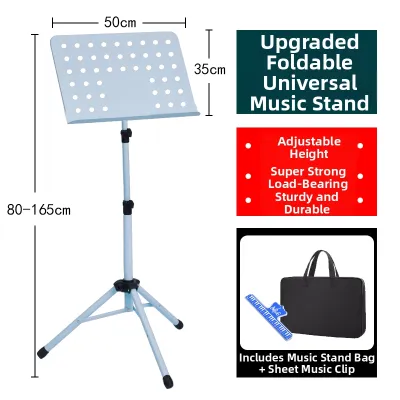
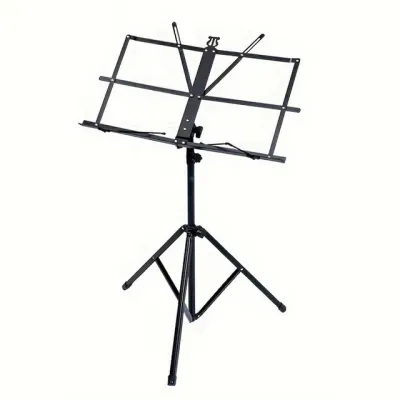
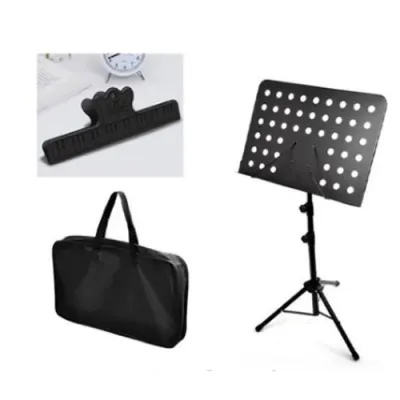
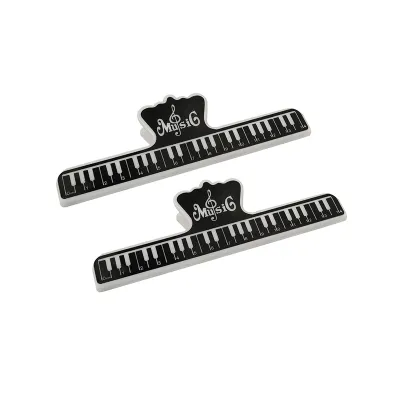
Prices are valid at publication and may change. Please refer to the product page for the latest price.
Your instrument also dictates your physical relationship with the stand. For instance, seated players like cellists, classical guitarists, or pianists using a keyboard controller require a stand that can adjust to lower heights. Standing instrumentalists, such as violinists, flutists, or singers, need a stand that extends high enough to keep the music at eye level, preventing neck strain. Additionally, consider your reading materials. Standard sheet music, thick songbooks, heavy binders, and digital tablets all have different weights and dimensions, which directly affect the stability and lip depth your stand must provide.
Furthermore, the lighting in your practice space plays a role in your setup. If your room has uneven lighting, you may need to attach a clip-on music stand light. Some stands feature wider trays or thicker frames that accommodate these accessories more securely than others. If you frequently practice from large orchestral scores or multi-page spreads, you will also need to consider the width of the tray, as some compact stands cannot support more than two pages side-by-side without the sheets drooping over the edges.
Portable Folding Stands for Mobile and Compact Spaces
Portable folding stands are the classic choice for traveling musicians, students, and anyone practicing in shared or compact spaces. These stands are designed to collapse into a compact form factor, making them easy to pack into a gig bag or store in a closet. However, choosing a portable model requires balancing the trade-off between weight and stability.

Traditional wire-frame folding stands are very lightweight and highly portable, but they offer minimal resistance to drafts and can easily tip over under the weight of a heavy binder or book. If you frequently use thick songbooks or a digital tablet, look for a heavy-duty folding stand with a solid or semi-solid folding back. These designs provide better support for individual sheets and electronic devices while still collapsing for transport. Always check the manufacturer’s specified weight capacity and ensure the locking mechanisms, such as thumb screws or friction levers, are robust enough to hold your materials securely without slipping during a practice session.
Another critical factor to consider with portable stands is the ease of assembly. Some models feature complex, multi-jointed designs that can be frustrating to set up and tear down quickly, especially in a rushed rehearsal environment. Look for stands with intuitive, smooth-sliding joints and high-quality locking collars. If you plan to carry your stand on public transport or walk long distances between rehearsals, prioritize models that include a dedicated carrying bag with a shoulder strap, which protects both the stand and your other gear from scratches.
Desktop Stands for Tabletop and Studio Setups
For musicians who work primarily at a desk, a desktop music stand offers a highly efficient, space-saving alternative to traditional floor stands. These compact accessories sit directly on your tabletop, writing desk, or mixing console, making them ideal for music producers, composers, and casual players who practice in front of a computer.
Ergonomics are critical when using a desktop setup. The stand should position your sheet music or tablet at a comfortable reading angle to prevent slouching or neck fatigue while you play or input MIDI data. When selecting a desktop stand, pay close attention to the lip depth and the presence of page retainers or clips. Digital devices and tablets require a secure, non-slip ledge, often lined with rubber or silicone, to prevent scratches and sliding. Keep in mind that desktop stands have inherent limitations; they cannot be adjusted for standing practice and are generally unsuitable for holding large, heavy orchestral scores or accommodating instruments that require significant physical clearance.
Additionally, consider the material and stability of the desktop stand itself. Lightweight plastic models are highly portable and easy to tuck away, but they may slide around on smooth wooden or glass desks when you turn pages or tap a touchscreen. Wooden or metal desktop stands offer greater weight and stability, ensuring your materials remain stationary even during vigorous practice sessions. Some advanced models also feature adjustable tilt angles, allowing you to customize the viewing position depending on the height of your chair and the placement of your computer monitor.
Fixed Orchestral Stands for Dedicated Practice Rooms
If you have a dedicated practice space and do not need to transport your equipment frequently, a fixed orchestral stand is a highly reliable option for stability and durability. Featuring a solid metal tray and a heavy, weighted base, these stands are built to remain stationary and support substantial weight without wobbling.
The primary advantage of an orchestral stand is its wide, solid tray. This design easily accommodates heavy three-ring binders, full-sized orchestral scores, and multiple loose pages laid side-by-side. Many models feature a deep lip that can hold pencils, tuners, and metronomes right where you need them. When evaluating orchestral stands, look for reliable adjustment mechanisms. Some use a friction-lock system that allows you to adjust the height and tray tilt simply by pushing or pulling, while others rely on heavy-duty knob locks. Ensure the maximum height matches your standing eye level, and check if the tray can be detached easily for occasional transport or storage.
The base design of an orchestral stand is another key consideration. Traditional models feature a heavy, welded metal base with three fixed legs, which provides excellent stability but can be difficult to position around other furniture or instrument stands. If floor space is tight, look for models with a stackable base or a flat, heavy iron base that takes up less physical room. Additionally, some orchestral stands offer optional accessories, such as clip-on shelves or desk extensions, which expand the tray width to hold extra pages or specialized gear, making them highly customizable for complex practice setups.
Cross-Scenario Compatibility and Final Selection Checklist
Many musicians find that their practice habits span multiple environments, requiring a hybrid approach. If you practice daily at home but attend weekly rehearsals or gigs, you must decide whether to purchase a single, highly versatile stand or invest in two different types to suit each scenario. Prioritizing structural stability is essential if you regularly use a heavy tablet or expensive reference books, as a fall could damage your equipment.
To finalize your decision, use this practical checklist to verify specifications before making a purchase:
- Height Range: Does the stand adjust to your exact eye level when both sitting and standing? Verify the minimum and maximum height specifications to ensure compatibility with your primary playing posture.
- Tray Dimensions and Lip Depth: Is the tray wide enough for your largest scores, and is the lip deep enough to hold your thickest books or tablet securely? A shallow lip can cause devices to slip forward unexpectedly.
- Base Footprint: Will the legs fit comfortably within your designated practice area without creating a tripping hazard? Consider whether a tripod base or a flat, weighted base is more suitable for your floor space.
- Weight and Portability: If you must travel, is the collapsed stand light enough to carry, and does it fit inside your gig bag? Check the total weight of the stand to avoid carrying unnecessary bulk.
- Material and Build Quality: Are the joints, collars, and adjustment knobs made of durable materials that can withstand frequent adjustments? Metal collars and heavy-duty plastic knobs generally offer longer lifespans than thin plastic components.
By matching these specifications to your primary practice environment and instrument, you can select a music stand that supports both your posture and your musical progress. Investing the time to evaluate these details ensures your practice sessions remain focused, comfortable, and highly productive.
Community discussion
Share your experience or ask a question. Comments are reviewed before publication.