
Selecting the right New International Version (NIV) Bible is a personal decision that directly shapes your daily devotional habits. Because spiritual growth relies on consistency, the physical and structural design of your Bible matters just as much as the translation itself. A Bible that is too heavy to carry, too small to read comfortably, or lacks the space you need for personal notes can quickly become a barrier to your daily practice. By understanding how different editions are tailored to specific reading environments and study methods, you can choose a text that integrates smoothly into your life.
The NIV translation is highly regarded for balancing textual accuracy with modern readability. It translates ancient Hebrew, Aramaic, and Greek texts into clear, contemporary English without sacrificing the nuances of the original languages. This balance makes it an excellent foundation for both beginners and seasoned readers who want to focus on spiritual application rather than struggling with archaic vocabulary. However, because the NIV is published in hundreds of different formats, finding a suitable edition requires a clear understanding of your personal study style, physical preferences, and spiritual goals.
Identifying Your Daily Devotion Style
Before browsing online marketplaces or visiting a local bookstore, take a moment to analyze where and how you plan to read. Your primary reading environment is a critical factor in determining the physical size and weight of the Bible you should choose. If you establish a dedicated quiet space at home, such as a study desk or a favorite armchair, a larger and heavier volume with extensive study notes may be highly beneficial. Conversely, if you intend to read during a daily train commute in Singapore or while traveling, a lightweight, compact edition will be far easier to manage.
Products mentioned in this guide
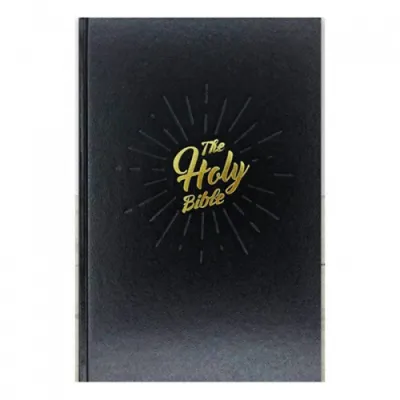
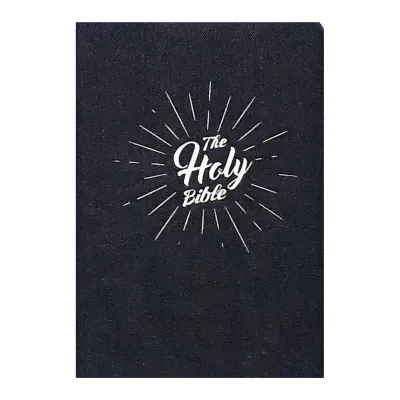
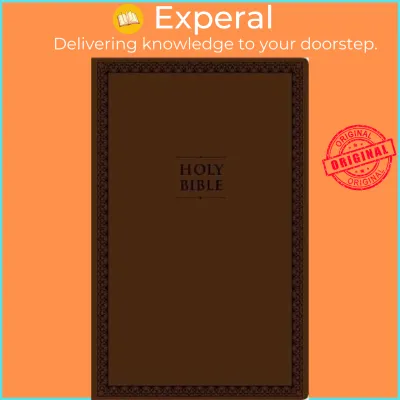
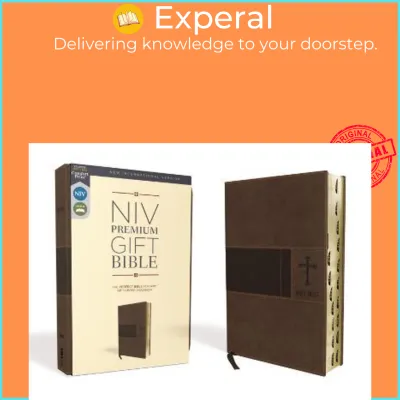
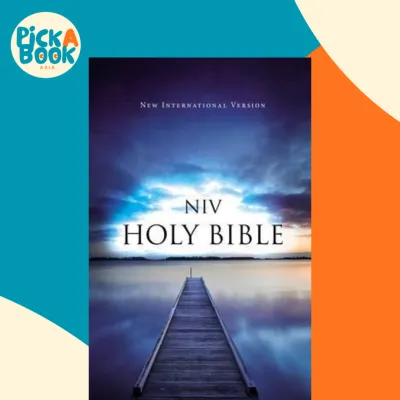
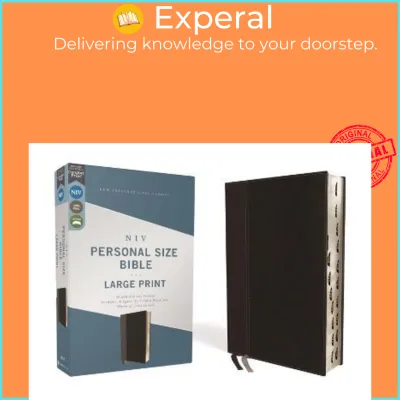
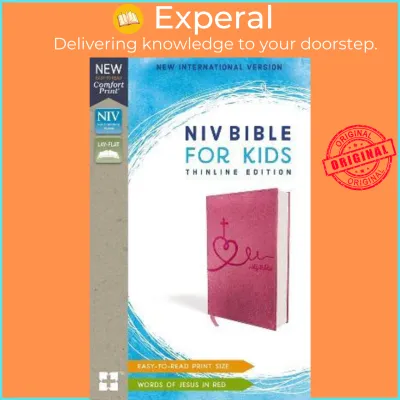
Prices are valid at publication and may change. Please refer to the product page for the latest price.
Your interaction style with the text also dictates the layout you need. Some readers prefer a quiet, meditative reading experience where they simply absorb the words without distraction. Others engage actively by highlighting key passages, writing prayers in the margins, or sketching creative reflections. If you find yourself wanting to record your thoughts directly alongside the scripture, a standard layout with narrow margins will quickly feel restrictive.
Finally, clarify your current spiritual goals to choose the right level of textual assistance. If your primary aim is deep theological study, historical context, and linguistic analysis, you will benefit from an edition packed with commentary and cross-references. If your goal is daily encouragement, personal reflection, and prayerful meditation, a clean text with minimal distractions or a dedicated devotional layout will better serve your practice. Aligning your Bible format with these personal habits ensures that your daily reading remains a source of joy rather than a chore.
Essential Features for Personal Spiritual Growth
When evaluating different NIV editions, several physical and structural features deserve close inspection to ensure long-term usability. Font size and line matching are paramount for preventing eye strain during extended reading sessions. Line matching is a printing technique where the lines of text on both sides of a page align precisely, minimizing the shadow effect of text showing through from the back. For daily reading, a font size of at least 9-point or 10-point is generally recommended, though those who read in low-light environments may want to look for “comfort print” editions specifically designed for readability.

Paper quality and opacity are equally critical, especially if you plan to use pens, markers, or highlighters. Bible paper is notoriously thin to keep the overall volume manageable, but low-quality paper allows ink to bleed through to the other side, ruining the readability of subsequent pages. Look for editions that specify higher paper weight, often measured in grams per square meter (GSM). A higher GSM indicates thicker, more opaque paper that can withstand various writing instruments without significant ghosting or bleed-through.
The binding of the Bible determines its durability and how easily it stays open on a flat surface. Cheaply glued bindings tend to crack over time, causing pages to fall out, and they often spring shut unless held down with force. A sewn binding, such as a Smyth-sewn binding, allows the Bible to lay completely flat on a desk from the very first page to the last. This feature is indispensable for hands-free reading and comfortable writing, making it well worth the investment.
Lastly, consider the built-in study and devotional aids that accompany the biblical text. Cross-references guide you to related passages across the Old and New Testaments, helping you understand the broader narrative of scripture. Concordances allow you to look up specific words and find where they appear throughout the Bible, which is highly useful for thematic study. Many editions also include reading plans, maps, and historical timelines that provide valuable context without requiring you to consult external reference books.
Matching NIV Bible Formats to Your Practice
Different physical formats of the NIV are engineered to serve distinct spiritual and practical purposes. Rather than viewing one format as universally superior, it is helpful to understand how study, journaling, and portable editions cater to different aspects of your spiritual journey.
Study Bibles for Deep Theological Reflection
A study Bible is designed for readers who want to understand the historical, cultural, and theological background of the text. These editions feature extensive footnotes, book introductions, character profiles, and detailed maps on almost every page. If you frequently find yourself asking questions about the historical context of a passage or the meaning of original Greek and Hebrew words, a study Bible provides immediate answers right beneath the scripture.
However, the wealth of information in a study Bible comes with physical trade-offs. These volumes are significantly larger and heavier than standard Bibles, often weighing over a kilogram, making them impractical for daily travel or casual reading in bed. Additionally, the sheer volume of notes can sometimes distract from personal, prayerful reflection. When choosing a study Bible, it is also wise to research the theological perspective of the editors and contributors, as their commentary will shape your interpretation of the text.
Journaling Bibles for Creative and Written Prayer
Journaling Bibles are specifically designed for those who process their thoughts through writing, drawing, or creative expression. These editions typically feature wide, ruled margins on the sides of the text, or even blank pages interleaved between the biblical text. This extra space allows you to write out prayers, record personal insights, memorize verses, or create art directly next to the passages that inspire you.
When selecting a journaling Bible, pay close attention to the layout and the paper specifications. Some editions offer dotted grids instead of solid lines, which are excellent for both writing and sketching. Because these Bibles are meant to be written in, verifying the paper weight is crucial; look for editions that explicitly mention thick, high-opacity paper designed to handle journaling pens. Engaging with scripture in this active, tactile way can significantly improve your memory retention and make your devotional time highly personalized.
Compact and Thinline Bibles for On-the-Go Reading
For those who travel frequently, commute daily, or simply prefer a minimalist aesthetic, compact and thinline Bibles offer excellent portability. Thinline editions keep the thickness of the book to a minimum, usually under three centimeters, while compact editions reduce the overall footprint of the cover. These Bibles fit easily into a backpack, handbag, or briefcase, ensuring that you always have access to scripture wherever you are.
The primary challenge with portable Bibles is balancing size with readability. To achieve a compact design, publishers must use smaller font sizes, often ranging from 6-point to 8-point, which can be difficult to read for long periods or in dim lighting. When choosing a portable edition, look for high-quality cover materials, such as durable synthetic leather or genuine leather, which can withstand the friction and movement of being pulled in and out of bags daily.
Final Checks Before Purchasing Your NIV Bible
Before finalizing your purchase, there are several practical steps you should take to ensure the edition you choose meets your expectations. First, verify the specific translation update year of the NIV text. The NIV underwent its most recent major update in 2011, which refined the language for clarity and gender accuracy while maintaining theological fidelity. Most new Bibles sold today use this current standard, but if you are buying a secondhand copy or an older print run, check the copyright page to ensure you are getting the translation version you prefer.
Next, pay close attention to the return policy of the bookstore or online retailer. Because online images cannot fully convey the physical feel of the paper, the actual size of the font, or how flat the binding lays, having the option to return or exchange the Bible is highly valuable. If possible, visit a physical bookstore to handle different editions, test the readability of various font sizes, and feel the weight of the book in your hands before making your final decision.
Finally, read user reviews with a critical eye, focusing on long-term durability rather than initial impressions. Look for feedback that specifically mentions whether the cover material peels over time, if the binding holds up to daily opening, and how much ink bleed-through occurs with standard highlighters. By taking these precautions, you can confidently invest in an NIV Bible that will comfortably support your daily spiritual growth and personal devotion for many years to come.
Frequently Asked Questions (FAQ)
Is the NIV translation suitable for deep theological study?
Yes, the NIV is highly suitable for deep theological study, though it approaches translation differently than some other versions. It utilizes a translation philosophy known as dynamic equivalence, or thought-for-thought translation, which aims to capture the meaning of the original languages in natural, modern English. While this makes the text exceptionally readable and clear for daily devotion, readers who are conducting precise word-by-word linguistic analysis or studying original sentence structures may want to compare the NIV with more literal, word-for-word translations. Using the NIV alongside a literal translation can provide a well-rounded understanding of both the literal structure and the intended meaning of the text.
Do I need a specific devotional Bible, or is a standard text enough?
Whether you need a dedicated devotional Bible depends on how you prefer to structure your quiet time. Devotional Bibles include pre-written daily readings, reflections, and guided prayers interspersed throughout the biblical text, which can provide helpful structure for beginners or those facing a busy season. However, many readers find that a standard text Bible offers greater long-term flexibility. Pairing a standard NIV Bible with a separate, standalone devotional book or reading plan allows you to change your devotional material as your spiritual needs evolve without having to purchase an entirely new Bible.
How do I prevent highlighter ink from bleeding through the pages?
To protect the thin pages of your Bible from ink bleed-through, avoid standard liquid ink highlighters and heavy gel pens. Instead, opt for dry highlighters, which are wax-based and glide over the page like a crayon without wet ink, or high-quality colored pencils. If you prefer using pens, look for archival-quality, ultra-fine felt tip pens specifically labeled as Bible-safe. Regardless of the writing instrument you choose, always perform a quick test on an inconspicuous page at the back of the Bible, such as the index, maps, or concordance pages, to see how much the ink shows through before writing in the main text.
Community discussion
Share your experience or ask a question. Comments are reviewed before publication.