
Selecting the ideal pop music piano book for beginners requires matching the book’s arrangement style to your current reading ability, verifying that the physical format is practical for daily practice, and ensuring the songs are progressively ordered. The best beginner pop songbooks use simplified arrangements—typically labeled as “Easy Piano” or “Big Note”—which preserve the recognizable melodies of popular hits while stripping away complex rhythms and wide hand stretches. By focusing on books that feature clear fingering guides, simplified left-hand patterns, and lay-flat bindings, you can enjoy playing familiar music immediately while steadily building fundamental keyboard skills.
In Singapore, where many piano students practice on digital pianos in HDB apartments or study at local music schools, finding engaging practice material is essential for maintaining long-term motivation. Traditional classical methods provide excellent technical foundations, but supplementing your routine with a dedicated pop music piano book keeps practice sessions exciting. Playing songs you hear on the radio helps train your rhythmic ear and structural understanding of modern music, making your practice time highly productive.
Assessing Your Starting Point and Learning Goals
Before purchasing a pop music piano book, you must evaluate your current musical background. Absolute beginners who have never touched a keyboard require a book that includes introductory instructional material, such as diagrams of the piano keys, explanations of the treble and bass clefs, and basic rhythm guides. If you already know how to read simple notes and understand basic time signatures, you can bypass these introductory pages and select a book that focuses entirely on song arrangements.
Products mentioned in this guide


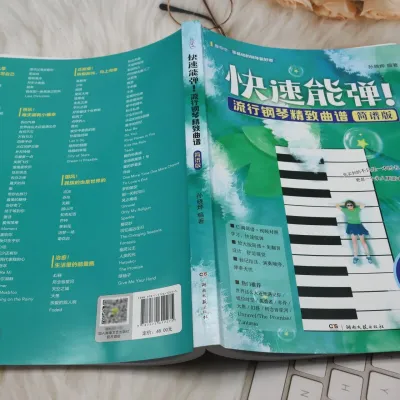

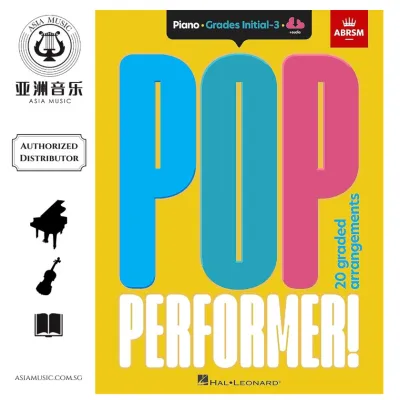


Prices are valid at publication and may change. Please refer to the product page for the latest price.
Your primary learning goal also dictates the type of book you should buy. If you want to play solo piano pieces where the piano reproduces both the vocal melody and the background accompaniment, you need dedicated solo arrangements. Conversely, if your goal is to sing along or accompany another vocalist, you should look for books that focus on chord-based playing, which teach you how to read chord symbols and play rhythmic patterns rather than note-for-note melodies.
Understanding publisher difficulty labels is crucial to avoiding frustration. The “Big Note” category is designed for absolute beginners and young children, featuring extra-large notation, simplified rhythms, and often note names printed inside the note heads. “Easy Piano” arrangements are slightly more advanced, featuring standard-sized notation, basic two-hand coordination, and simple key signatures, making them perfect for adult beginners or students with a few months of consistent practice.
Physical hand span limitations are another important factor to consider when assessing books. Beginner pop books should avoid requiring octave stretches in either hand, as reaching eight keys simultaneously can strain undeveloped hand muscles. High-quality beginner arrangements limit intervals to a fifth or a sixth, allowing players to build hand strength and coordination safely without risking injury or developing tense playing habits.
Essential Features of an Effective Pop Music Piano Book
An effective beginner pop music piano book must include clear fingering suggestions. These are small numbers printed above or below the notes, corresponding to your fingers (1 for the thumb through 5 for the pinky). Proper fingering guides prevent you from running out of fingers mid-melody, promote smooth transitions between notes, and help build the muscle memory required for fluid playing.

Hand position guides are equally valuable for early-stage learners. Many beginner books include a small keyboard diagram at the start of each song, showing exactly where to place your left and right hands on the keys. This visual aid removes the guesswork from the initial setup, allowing you to focus on reading the notes and keeping time rather than searching for the correct starting octave.
Look for books that include chord symbols printed above the treble staff. Even if you are focusing on reading standard notation, having the chord names (such as C, G, Am, or F) visible helps you understand the underlying harmonic structure of the song. Over time, this exposure makes it easier to transition to lead sheets, improvise, or play by ear, adding a valuable dimension to your musical education.
Supplementary learning tools can significantly enhance the value of a songbook. Some books feature short practice tips before each piece, highlighting tricky rhythmic spots or suggesting specific warm-up exercises. Others provide QR codes or web links to access professional audio recordings of the arrangements, which serve as an invaluable reference for tempo, phrasing, and rhythm.
Finally, a well-designed book must feature progressive difficulty. The songs should be arranged in a logical sequence, starting with very simple melodies using whole and half notes, and gradually introducing eighth notes, basic syncopation, and simple key signatures. A book with randomly ordered songs can lead to a disjointed learning experience, where you easily complete one page only to find the next page completely overwhelming.
Understanding Arrangements and Sheet Music Formats
Pop music is rarely written originally for the piano, meaning every pop songbook relies on transcription and arrangement. “Big Note” formats are highly visual, utilizing single-note melodies in the right hand and very simple, single-note accompaniments in the left hand. These arrangements are designed to get you playing recognizable tunes quickly, though they lack the harmonic depth of more advanced versions.
“Easy Piano” arrangements introduce basic harmony, often incorporating two-note chords in the left hand while the right hand plays the melody. These arrangements provide a fuller, more satisfying sound that closely resembles the original song. They also introduce basic pedal markings, helping you learn how to use the sustain pedal to blend notes smoothly without creating a muddy sound.
It is important to distinguish these beginner formats from “Piano/Vocal/Guitar” (PVG) books. PVG sheets feature three staves: a top staff for the vocal melody, and two lower staves for the piano accompaniment, alongside guitar chord diagrams. For a beginner playing solo piano, PVG books can be highly confusing and difficult to play, as the piano part is designed to support a singer rather than carry the main melody yourself.
Simplified arrangements inherently involve trade-offs that you must accept. To make a song playable for a beginner, the arranger must simplify complex syncopated rhythms, remove rapid instrumental solos, and transpose the song into an easier key signature, such as C major or G major. While the song will not sound identical to the studio recording on the radio, these simplifications are necessary stepping stones to developing the coordination needed for advanced sheets.
Attempting to play authentic, note-for-note transcriptions too early in your learning journey can lead to bad habits, such as pausing between beats to find notes or playing with excessive physical tension. Embracing simplified arrangements allows you to maintain a steady tempo and develop a strong sense of rhythm, which are the most critical skills for any aspiring pianist.
Pre-Purchase Checks for Music Books
Before buying a pop music piano book, always verify the publication date and the specific edition. Pop music trends evolve rapidly, and older books may not contain the contemporary hits you want to play. Checking the publication details ensures the song list aligns with your personal musical tastes, whether you prefer current chart-toppers, classic rock anthems, or movie soundtracks.
Review the table of contents carefully to confirm the exact song selection. Many publishers offer preview pages online or on ecommerce platforms, allowing you to inspect the first few bars of a song to judge if the notation style matches your reading level. Additionally, stick to reputable music publishers, such as Hal Leonard, Alfred Music, or Faber Music, which are globally recognized for hiring professional educators to write their beginner arrangements.
Pay close attention to the physical binding of the book. Standard paperback bindings have a strong tendency to snap shut when placed on a music stand, forcing you to crease the spine or use heavy clips to keep the pages open. Prioritize spiral-bound, wire-bound, or specialized lay-flat bindings that sit perfectly flat on your piano’s music rest, allowing you to focus entirely on your hands and the music.
In tropical climates like Singapore, high humidity can cause standard paperback pages to warp or curl over time, making them even harder to keep open on a music stand. Investing in a high-quality, lay-flat book or using a sturdy metal page holder can prevent this issue. If you find a book you love that is only available in standard paperback, you can also take it to a local copy shop to have the spine cut and replaced with a plastic spiral binding for a small fee, typically around S$5 to S$10.
Frequently Asked Questions (FAQ)
Do I need to know how to read sheet music to use a pop songbook?
Yes, most standard pop music piano books require a basic understanding of sheet music, as they are written in standard musical notation. However, if you do not yet read music, you can look for beginner books that feature keyboard diagrams, letter-coded notes, or lyric sheets with chord symbols. These alternative formats allow you to play simple accompaniments using basic chord shapes while you gradually learn to read the treble and bass clefs.
Are digital downloads better than physical pop music piano books?
Digital sheet music offers excellent portability, instant access, and the ability to transpose songs into different keys on your tablet. However, physical books remain highly advantageous for beginners because they do not suffer from battery drain, offer a larger reading surface, and make it much easier to write pencil annotations during practice. If you choose digital formats, ensure you use a tablet with a screen size of at least 10 inches and a secure stand to prevent eye strain and maintain good posture.
How often should I update my pop music piano book collection?
You should focus on mastering the songs in your current book before purchasing new volumes. Hoarding too many songbooks can lead to scattered practice habits, where you only learn the first few measures of many songs without finishing any. Consider updating your collection or moving to a slightly more advanced book once you can play three or four songs from your current book fluently, at the correct tempo, and without stopping.
Community discussion
Share your experience or ask a question. Comments are reviewed before publication.