
Preparing for the Primary School Leaving Examination (PSLE) in Singapore is a significant milestone for every Primary 6 student. To navigate this crucial academic period successfully, selecting the right exam papers and revision bundles is essential. The best exam paper bundles are not one-size-fits-all solutions; rather, they are highly targeted resources that align with the latest Ministry of Education (MOE) syllabus, match your child’s current learning pace, and provide clear, step-by-step answer keys. By focusing on structured practice, parents can help their children build exam stamina, master time management, and address specific conceptual gaps before stepping into the examination hall.
Understanding the Types of PSLE Exam Paper Bundles
To build an effective revision strategy, it is first necessary to understand the different types of exam paper bundles available in the market. These resources differ significantly from standard school textbooks, which focus primarily on introducing new concepts and providing basic topical exercises. Exam paper bundles, on the other hand, are designed specifically for consolidation, application, and exam simulation during the final preparation phases.
The first major category consists of compiled past-year school papers. These are actual examination papers sourced from various local primary schools in Singapore. They offer students direct exposure to the diverse questioning styles, formatting, and difficulty levels set by different academic departments across the country. These compilations typically cover standard subjects such as English, Mathematics, Science, and Mother Tongue, allowing students to experience a realistic mix of multiple-choice, short-answer, and open-ended questions.
Products mentioned in this guide
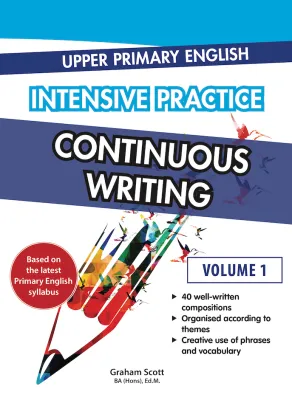
Prices are valid at publication and may change. Please refer to the product page for the latest price.
The second category comprises publisher-created mock papers or predictor papers. Unlike compiled school papers, these are written from scratch by experienced educators, curriculum specialists, or established educational publishers. The primary goal of these mock papers is to predict potential trends in the upcoming PSLE and to test students on highly challenging, non-routine questions. They are particularly useful for students who have already mastered basic concepts and require exposure to novel problem-solving scenarios.
The third category is topical drill bundles. Instead of presenting full-length, timed papers, these bundles group past exam questions by specific topics or chapters. For example, a Mathematics topical bundle might group questions specifically on ratio, percentage, or speed. This format allows students to focus their energy on weak areas without having to sit through an entire two-hour paper, making it an invaluable tool for targeted remediation early in the revision cycle.
Key Criteria for Evaluating Exam Paper Quality
With numerous options available in local bookstores and online marketplaces, parents must evaluate the quality of exam paper bundles carefully to ensure they are investing in effective study aids. The most critical criterion is strict alignment with the latest MOE syllabus. The Singapore curriculum undergoes periodic reviews and adjustments, which directly affect the format, scope, and weightage of topics in the PSLE. Purchasing a bundle that relies on an outdated syllabus can lead to unnecessary confusion, as students may waste time practicing topics that have been phased out or miss new question formats entirely.

Another essential factor is the quality of the provided answer keys and marking schemes. A high-quality exam paper bundle does not merely list the final answers; it provides comprehensive, step-by-step workings, particularly for complex Mathematics problem sums and Science open-ended questions. For Science, the answer key should highlight key terms and specific scientific concepts required to secure full marks. For English, model essays or situational writing templates should be accompanied by explanations of why certain structures or vocabulary choices are effective. This level of detail allows students to self-correct and learn from their mistakes independently.
Finally, physical usability and print quality should not be overlooked. Since students will spend hours writing, erasing, and reviewing these papers, the physical layout must be highly readable. Look for bundles printed on durable paper that does not easily tear or allow ink to bleed through. The binding should allow the booklet to lay relatively flat on a desk, simulating the actual examination experience. Clear typography, adequate spacing for working out math problems, and high-resolution diagrams in Science papers are crucial for preventing eye strain and maintaining focus during long practice sessions.
Matching Bundle Types to Your Child's Learning Needs
Selecting the right exam paper bundle requires a clear understanding of your child’s current academic standing and immediate learning goals. Using the wrong type of practice material at the wrong time can lead to frustration, anxiety, or a false sense of security.
Topical Revision Bundles
These bundles are highly recommended for the initial phase of Primary 6 revision, typically during the first half of the academic year. If a student consistently struggles with specific chapters—such as electricity in Science or fractions in Mathematics—attempting full-length papers can be counterproductive and discouraging. Topical drills allow the student to isolate these weak areas, practice the specific rules or formulas repeatedly, and build foundational confidence. Only when a student achieves a high accuracy rate in topical exercises should they transition to full-length papers.
Compiled School Papers (Past Year)
Once foundational concepts are secure, compiled school papers serve as the ideal bridge to comprehensive revision. These papers expose students to the varying difficulty levels of different schools, helping them adapt to different question phrasing and layout styles. Practicing with papers from a mix of schools ensures that students do not become overly accustomed to the specific testing style of their own teachers. This broad exposure is excellent for identifying lingering conceptual gaps across the entire syllabus and helping students learn how to pivot quickly between different topics within a single paper.
Mock Exam and Predictor Papers
In the final weeks leading up to the PSLE, the focus must shift from conceptual learning to exam strategy, stamina, and time management. Mock exam and predictor papers are designed precisely for this stage. Parents should administer these papers under strict exam conditions, mimicking the exact time limits, desk setups, and lack of external assistance. This practice helps students learn how to pace themselves, decide which questions to skip and return to later, and manage the physical and mental fatigue of a full-length examination.
Essential Checks Before Purchasing Exam Materials
Before finalizing any purchase of exam paper bundles, whether at a physical retail store or through an online marketplace, performing a few practical checks can save time and money.
First, verify the publication year and edition of the bundle. Publishers often update their covers while keeping the internal content identical to previous years. Ensure that the bundle explicitly states it is updated for the current academic year’s syllabus. If you are buying compiled school papers, check which years are included in the compilation; having the most recent three to five years of papers is generally the most beneficial, as they reflect the most current exam trends.
Second, inspect the completeness of the package. Some bundles are sold with question booklets and answer keys packaged separately. Ensure that all components, including the complete step-by-step answer key, are included in the purchase. If the bundle advertises supplementary digital resources, such as online video explanations or downloadable mock papers, verify how to access these portals and check if there are any subscription fees or expiration dates associated with the access codes.
Third, compare purchasing channels to find the best value and convenience. Local educational bookstores often offer physical browsing, allowing you to assess the paper quality and layout firsthand. Online marketplaces and publisher websites, however, frequently offer bundle discounts when purchasing multiple subjects together. When buying online, read seller reviews carefully to ensure the physical condition of the books is guaranteed during shipping, and check the return policy in case of printing defects or missing pages.
Frequently Asked Questions (FAQ)
How many past-year papers should a student realistically complete?
Quality of practice is far more important than quantity. Rather than rushing through dozens of papers to achieve a high volume, students benefit more from completing a smaller number of papers thoroughly. A realistic target is to complete one or two full papers per subject each week during the peak revision phase. The critical step is the post-paper review: students must spend time analyzing every mistake, understanding why they got a question wrong, and recording these insights in an error log. Simply completing papers without detailed correction leads to repeating the same mistakes on the actual exam.
Are commercial mock papers harder than the actual PSLE?
Commercial mock papers and predictor papers are often designed to be slightly more challenging than the actual PSLE. Publishers and educators do this intentionally to stretch students’ critical thinking skills, expose them to extreme problem-solving scenarios, and build academic resilience. While these papers are excellent for high-ability students looking to secure top grades, parents should manage expectations. A lower score on a highly challenging mock paper should not be a cause for panic; instead, use it as a diagnostic tool to identify advanced concepts that require further refinement.
Should I buy exam paper bundles for all subjects at once?
It is generally more effective to stagger your purchases based on your child’s immediate revision timeline and subject priorities. Purchasing bundles for all subjects simultaneously can overwhelm a student and lead to a cluttered study space. Start by acquiring topical bundles for weaker subjects that require early, consistent intervention. As the year progresses and the student’s foundation strengthens, you can purchase compiled school papers and mock exams. Staggering purchases also ensures that you are buying the most up-to-date editions as publishers release them closer to the exam period.
Community discussion
Share your experience or ask a question. Comments are reviewed before publication.