
To choose the best ukulele shoulder strap, you must balance the physical demands of your playing environment against the structural design of your instrument. Standing performances require a secure, stable strap that distributes weight evenly and prevents the instrument from shifting during active movement. Conversely, casual or seated practice calls for a lightweight, breathable, and easily removable strap that offers basic support without adding unnecessary bulk. By matching the strap style and attachment method to your specific playing scenario, you can protect your instrument, improve your playing posture, and ensure long-term comfort.
By analyzing the physical demands of your playing style, the size of your ukulele, and the structural design of your instrument, you can select a strap that enhances your performance and protects your investment. Whether you are performing under bright stage lights or practicing quietly in your living room, the right strap acts as an extension of your body, keeping your hands free to focus entirely on your music.
Evaluating Your Playing Environment and Strap Needs
Performing while standing introduces physical challenges that do not exist when you are seated. When you stand, your body must support the entire weight of the ukulele while your hands are busy fretting and strumming. Over a long set, even a lightweight instrument can cause noticeable shoulder fatigue and neck tension if the weight is concentrated on a narrow point. Furthermore, active stage movement requires the instrument to remain stable against your torso, preventing it from swinging or sliding when you shift your posture or engage with an audience.
Products mentioned in this guide
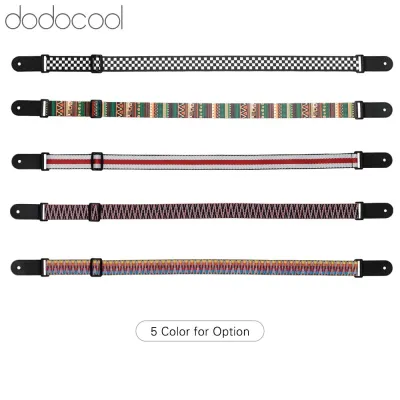
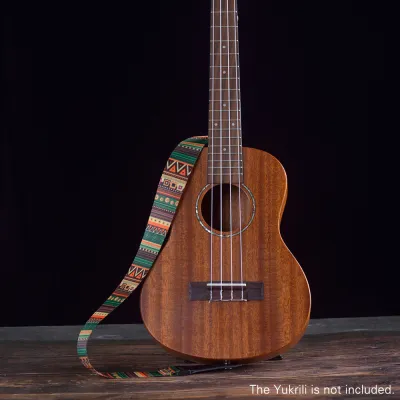
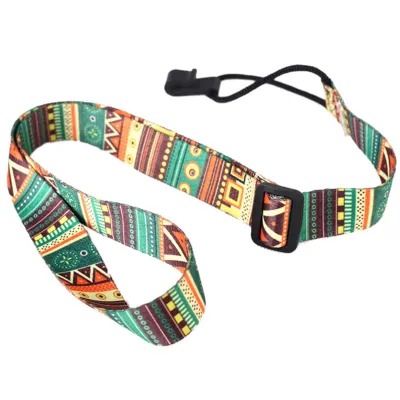
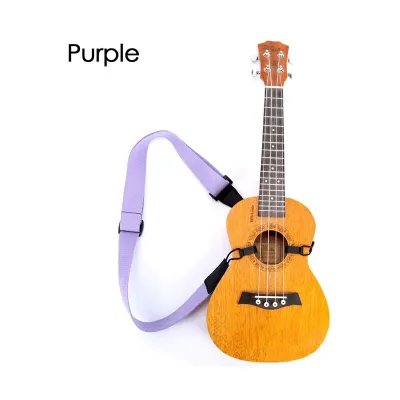
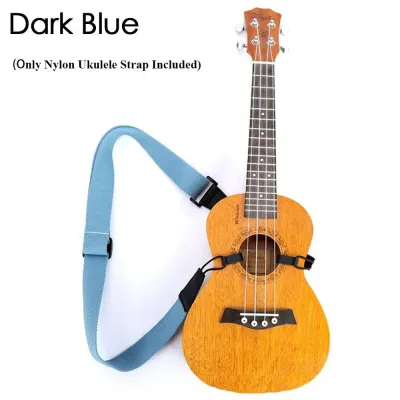
Prices are valid at publication and may change. Please refer to the product page for the latest price.
In contrast, casual or seated practice sessions call for a completely different set of priorities. When sitting, your thighs and torso naturally support much of the ukulele’s weight, reducing the need for heavy-duty padding or high-grip materials. Instead, you require a strap that offers maximum breathability and minimal bulk, especially in warm, humid environments like Singapore, where heavy materials can quickly become uncomfortable. A simple, low-profile strap ensures you can practice for hours without feeling restricted or overheated.
Your frequency of transition between playing positions also plays a major role in your decision. If you regularly switch between standing to perform and sitting to write or practice, a highly versatile hybrid strap with quick-adjust sliders is ideal. However, if you find yourself strictly performing on stage or exclusively practicing at home, investing in a dedicated, single-use strap tailored to that specific environment will yield the best results in comfort and security.
Best Strap Styles for Standing Performances and Stage Gigs
For standing performances, your primary goal is to find a strap that offers superior weight distribution and shock absorption. Padded neoprene and memory foam straps are excellent choices for this scenario. These materials feature a cushioned core that dampens the impact of sudden movements, reducing the strain on your collarbone and shoulder muscles. The inherent elasticity of neoprene also provides a slight bounce, which helps absorb the kinetic energy generated when you move dynamically on stage.

If you prefer a more traditional aesthetic, wide woven cotton, thick leather, or seatbelt-style nylon straps are highly effective alternatives. A wider strap spreads the weight of the instrument over a larger surface area, preventing the edges from digging into your neck during extended gigs. Leather straps offer a natural grip that clings slightly to your clothing, providing excellent slip resistance, while seatbelt-style nylon straps allow for smooth, frictionless movement if you prefer to slide the instrument across your body easily.
For larger, heavier instruments like tenor or baritone ukuleles, or for highly active performers who require complete hands-free stability, a harness-style or dual-strap system is worth considering. These systems distribute the weight across both shoulders and your upper back, completely eliminating single-shoulder strain. This setup is particularly beneficial for musicians who incorporate choreography, storytelling, or multi-instrument transitions into their live performances, as it keeps the ukulele locked securely in the optimal playing position.
However, these heavy-duty stage straps do come with specific limitations. Padded neoprene and thick leather straps are inherently bulkier than their unpadded counterparts, making them harder to pack into a standard, tight-fitting ukulele gig bag. Additionally, dense padding and non-breathable synthetic materials can trap heat and sweat, which can become uncomfortable during outdoor performances or in warm, poorly ventilated venues. They also tend to require a longer initial setup and adjustment time compared to simpler, more flexible straps.
Ideal Strap Styles for Casual and Seated Practice
When practicing in a relaxed, seated position, heavy padding and complex harness systems are generally unnecessary and can feel restrictive. Instead, narrow straps made from lightweight cotton, thin nylon, or woven paracord are ideal. These materials are highly flexible, allowing the strap to fold up tightly so you can easily store it inside your gig bag’s accessory pocket. Cotton, in particular, offers a soft, natural texture that feels comfortable against the skin, making it perfect for casual practice sessions at home in casual wear.
Elastic or semi-stretchable materials are also highly beneficial for seated practice. As you sit, your posture naturally shifts, and your chest expands and contracts with your breathing. An elastic strap dynamically adapts to these subtle physical changes, maintaining a consistent level of support without binding or restricting your movement. This flexibility allows you to maintain a relaxed, ergonomic playing posture, reducing the risk of developing tension in your back and shoulders over time.
Convenience is another critical factor for home practice, where you may want to pick up your instrument for just a few minutes at a time. Straps equipped with quick-release plastic buckles or simple clip-on mechanisms allow you to attach or detach the strap in seconds. This is incredibly convenient if you prefer to store your ukulele on a wall hanger or a floor stand without a dangling strap, or if you share your instrument with other family members who prefer different strap lengths.
Despite their convenience, lightweight practice straps have clear trade-offs. Because they lack padding and are typically narrower, they are not suited for extended standing use, as they will quickly begin to cut into your shoulder. Furthermore, smooth materials like polished nylon or paracord have very little friction, meaning they can easily slip off your shoulder if you wear smooth, synthetic clothing. This makes them less reliable for active stage use where security is paramount.
Selecting a Safe Attachment Method for Your Instrument
The way a strap attaches to your ukulele is just as important as the strap itself, as a poor connection can damage your instrument’s finish or lead to catastrophic drops. The two most common non-invasive attachment methods are tie-on headstock loops and hook-on soundhole straps. Tie-on straps loop around the headstock just above the nut, which provides excellent balance and keeps the strap clear of your fretting hand. However, they can put slight lateral pressure on the neck, and the tying cord must be checked regularly to ensure it is not fraying or slipping.
Hook-on soundhole straps, often called “hugger” straps, use a plastic or metal hook that clips onto the bottom edge of the soundhole, running under the body and up to your neck like a lanyard. While extremely easy to use because they require no modifications to your instrument, they carry significant risks. If you let go of the ukulele completely, the instrument can tip forward and fall out of the hook. Additionally, the hook can scratch the delicate wood around the soundhole or put structural stress on the soundboard if the instrument is heavy or if you pull down on it.
To avoid these risks, installing dedicated metal strap buttons is often the safest and most secure long-term solution. Strap buttons allow you to use a standard two-point guitar-style strap, which provides superior balance, keeps the instrument securely locked in place, and completely eliminates stress on the soundhole. However, installing buttons requires drilling into the tail block and the neck heel of your ukulele. If your instrument has a thin body, lacks an internal tail block, or has a delicate gloss finish, drilling can cause cracking or structural failure.
Before choosing an attachment method, always inspect your ukulele’s body shape, finish type, and manufacturer guidelines. If you decide to use a hook-on soundhole strap, ensure the hook is lined with a soft, protective material such as felt, leather, or rubber to prevent scratching the finish. If you choose to install strap buttons, it is highly recommended to have the work done by a professional luthier, especially for high-end or vintage instruments, to ensure the internal bracing is not compromised and the screws are anchored into solid wood.
Finalizing Your Strap Selection and Purchase Checklist
To finalize your purchase, you must match the physical specifications of the strap to your specific ukulele model. A heavy, wide, padded guitar strap will completely overwhelm a tiny, lightweight soprano ukulele, making it feel unbalanced and awkward to play. For soprano and concert models, stick to narrow, lightweight straps. Save the wider, padded, or harness-style straps for larger tenor and baritone models that have the physical mass to balance out a heavier strap system.
Next, verify the adjustability range of the strap before buying. The strap must be adjustable enough to accommodate your body type, your preferred playing height, and the thickness of your clothing. If you plan to play outdoors or in different environments, a strap with a wide adjustment range ensures you can maintain the exact same instrument height whether you are wearing a light t-shirt or a thick jacket.
You should also review the care instructions and hardware durability of the strap. Look for straps with high-quality, reinforced leather ends or heavy-duty plastic hardware that will not scratch your instrument’s finish. If you choose a cotton or woven strap, verify if it is machine washable, as sweat and body oils will inevitably accumulate on the material over time.
Finally, always confirm the return policy of the online marketplace or music store before making your purchase. Because every ukulele body shape, neck joint, and player’s physical build is unique, a strap that looks perfect online may not feel comfortable or attach securely to your specific instrument. A flexible return policy allows you to test the fit and balance in your own home, ensuring you end up with a setup that is safe, comfortable, and perfectly suited to your playing style.
Frequently Asked Questions (FAQ)
Can I use a standard guitar strap for my ukulele?
While it is physically possible to use a standard guitar strap on a ukulele, it is rarely the best choice. Guitar straps are designed for much heavier instruments, meaning they are typically wider, thicker, and stiffer than necessary. When attached to a small, lightweight ukulele, a standard guitar strap can feel incredibly bulky, causing the instrument to slide around or feel completely unbalanced. Additionally, most guitar straps require two pre-installed strap buttons on the instrument. Many ukuleles do not come with these buttons pre-installed, meaning you would need to modify your instrument or use adapters to make the strap work.
Do I need a strap if I only play sitting down?
You do not strictly need a strap to play while sitting, but using one can still offer significant benefits. A strap helps maintain a consistent instrument height and angle, preventing the ukulele from slipping off your lap as you move or change your posture. This allows you to maintain proper ergonomic posture, reducing strain on your wrists and back. However, if you prefer to play completely unencumbered, there are excellent non-strap alternatives. You can use a non-slip shelf liner mat on your lap, a dedicated instrument footstool to raise your thigh, or a clip-on lap rest to stabilize the ukulele without putting any weight on your shoulders.
Community discussion
Share your experience or ask a question. Comments are reviewed before publication.