
Selecting a Yamaha electronic drum kit in Singapore requires a clear understanding of how your budget aligns with your musical goals and living situation. While it is tempting to simply look for the most advanced model, the most practical approach is to evaluate what each price tier offers and identify which features genuinely impact your daily practice. By analyzing pad materials, module capabilities, and the often-overlooked cost of essential accessories, you can find a setup that fits your financial boundaries while delivering a satisfying playing experience.
Defining Your Budget and Core Drumming Needs
Before browsing specific models, you must establish a realistic spending limit and identify your non-negotiable features. An absolute beginner learning basic coordination has very different requirements compared to a returning player looking to rebuild muscle memory or a gigging musician who needs a reliable practice tool. Beginners should focus on kits that offer robust coaching functions and a standard five-piece layout, which includes a snare, three toms, a kick pad, and three cymbals. This layout ensures that the physical muscle memory developed during practice translates directly to an acoustic drum kit.
For intermediate and advanced players, the priority shifts toward realistic stick rebound and expressive control, such as independent hi-hat stands and multi-zone cymbals. When setting your budget, always distinguish between the core kit components and the accessories required to actually play. A complete setup must include the drum pads, the sound module, a stable rack system, and the necessary pedals. Determining your primary goals early prevents you from overspending on advanced studio routing features you may never use, or conversely, buying an entry-level kit that you will outgrow within a few months.
Products mentioned in this guide
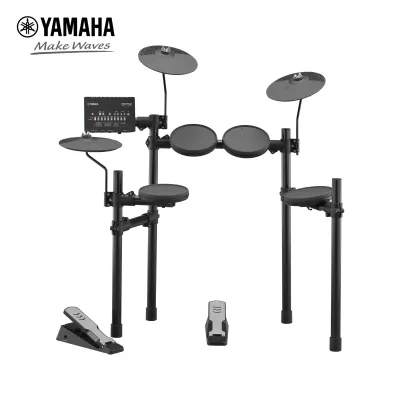
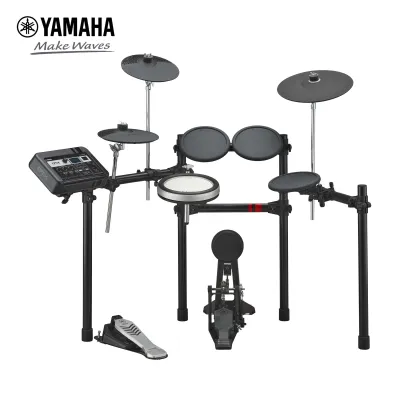
![Yamaha DTX452K Electronic Drums Digital Drum Set DTX-452K DTX 452 K DTX 452K DTX452 [PREORDER]](https://img.lazcdn.com/g/p/af5553ead0032cf1aa86c61dfabcbc22.jpg_400x400q80.jpg_.webp)
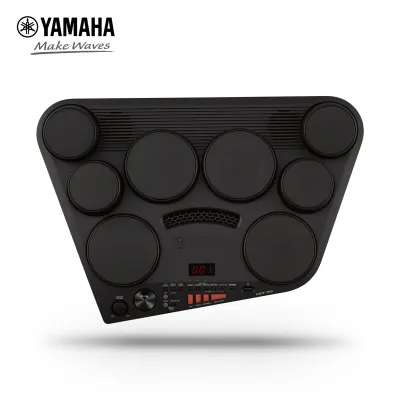
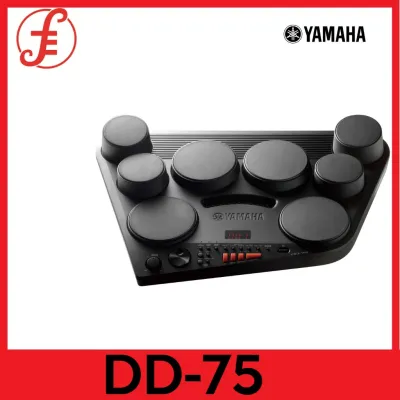
![Yamaha DD75 Digital Percussion Set DD-75 Portable Musical Electronic Instrument DD 75 [PREORDER]](https://img.lazcdn.com/g/p/c2c5758c27b7e76ef28a58fa17673cb1.jpg_400x400q80.jpg_.webp)
Prices are valid at publication and may change. Please refer to the product page for the latest price.
Entry-Level Tier: Essential Features for Beginners
For those operating within a tighter budget, typically under S$1,000, entry-level electronic drum kits offer a practical entry point into percussion. At this level, buyers should expect rubber pads for the snare and toms. While rubber pads are highly durable and offer a consistent rebound, they produce more physical acoustic noise when struck compared to mesh or silicone alternatives, and they do not perfectly replicate the feel of an acoustic drumhead. It is also common for cymbals in this tier to have basic choke functions or even lack them entirely, meaning you cannot grab the cymbal to silence it.

When evaluating the sound module of an entry-level kit, prioritize essential learning tools over a massive library of obscure sounds. A built-in metronome and interactive coaching programs are invaluable for beginners working on timing and rhythm. The module should also feature a clean, easily navigable interface and a solid selection of standard acoustic drum kits. To keep costs down, entry-level kits often utilize simpler foot-switch controllers for the hi-hat rather than a physical clutch system, and they typically feature single-zone pads that trigger the same sound regardless of whether you strike the center or the rim. These are acceptable compromises that allow you to focus on fundamental techniques without a massive financial commitment.
Mid-Range Tier: Upgrading Pads and Sound Modules
Stepping up to the mid-range tier, which generally spans from S$1,000 to S$2,500, introduces significant upgrades in playability, physical feel, and sound quality. The most notable improvement in this category is the transition to advanced pad materials. Yamaha is well-known for its Textured Cellular Silicone (TCS) pads, which are designed to mimic the natural rebound and playability of an acoustic drum while remaining exceptionally quiet. Upgrading to a kit with a TCS snare pad, or a full set of TCS pads, drastically reduces wrist fatigue during long practice sessions and provides a much more realistic response.
The sound modules in this mid-range tier offer enhanced processing power, allowing for multi-zone triggering on the snare and cymbals. This means you can play rimshots on the snare and get distinct bow, edge, and bell sounds from the ride cymbal. Many mid-range modules also feature modern connectivity options, such as Bluetooth audio for playing along with tracks from your smartphone, and USB audio/MIDI capabilities for direct connection to computers. Additionally, look for modules that offer extra trigger inputs on the back panel. This expandability is crucial, as it allows you to add an extra crash cymbal or an additional tom pad in the future without needing to purchase an entirely new module.
Premium Tier: Professional Feel and Advanced Routing
For serious enthusiasts, studio producers, and performing musicians with a budget exceeding S$2,500, premium electronic drum kits deliver an uncompromising playing experience. In this tier, you can expect full TCS pad configurations across the entire kit, larger cymbal pads that swing naturally on their mounts, and highly sophisticated kick towers that easily accommodate double bass drum pedals. The physical hardware is also substantially upgraded, utilizing heavy-duty racks and professional acoustic-style hi-hat stands that provide maximum stability during aggressive play.
The sound modules accompanying these premium kits are powerful computers in their own right. They offer deep sound editing capabilities, allowing you to adjust virtual drum parameters such as shell depth, head tuning, muffling, and room ambience. For recording and live performance, advanced routing is a key feature; look for modules that support multi-channel USB audio output. This allows you to send each drum pad to a separate track in your Digital Audio Workstation (DAW) for precise mixing and production. While these kits offer unparalleled realism and control, they also have a larger physical footprint, which is an important consideration if you have limited space in your home.
Hidden Costs: Accessories, Amplification, and Setup
When planning your budget, it is easy to overlook the additional accessories required to get your electronic drum kit up and running. Most electronic drum kits are sold as “shell packs” that do not include everything needed to play immediately. For instance, you will need to budget for a high-quality drum throne that provides proper ergonomic support to prevent back strain. Furthermore, many mid-range and premium kits do not include a mechanical kick pedal or a hi-hat stand, as manufacturers assume experienced players prefer to choose their own hardware.
You must also consider how you will hear your playing. While headphones are excellent for silent practice, you will need a dedicated drum amplifier or a portable PA system if you want to play aloud with others. Standard home audio speakers are generally not designed to handle the sudden, high-transient peaks of drum strikes and can easily be damaged. For headphone practice, invest in a pair of closed-back studio monitor headphones that offer good isolation and a flat frequency response. Finally, if you live in a high-density residential building, budget for a heavy-duty drum mat or materials to build a sound-isolation riser to prevent the physical impact of the kick pedal from vibrating through the floor.
Buying Safely and Verifying Warranties in Singapore
Purchasing an electronic drum kit is a significant investment, making it essential to buy through secure and authorized channels in Singapore. To ensure you receive a genuine product and a valid manufacturer’s warranty, always purchase from authorized local distributors or established local music retailers. This guarantees that you have access to official service centers and replacement parts should any components fail. A local warranty is particularly important for electronic drums, as the pads and trigger sensors are subjected to continuous physical impact.
Before making a final decision, visit a physical showroom to test the kits in person. This allows you to experience the difference between rubber, mesh, and silicone pads firsthand, and to assess the physical noise level of the pads when struck. Be cautious of unverified listings on online marketplaces or parallel imports. These products often lack local warranty coverage, may come with incorrect power adapters that do not match Singapore’s 230V, 50Hz electrical standards, and can be difficult to return if they arrive damaged. Checking the retailer’s return policy and ensuring they offer reliable after-sales support will give you peace of mind throughout your drumming journey.
Frequently Asked Questions (FAQ)
Do Yamaha electronic drum kits come with a kick pedal?
Most entry-level Yamaha electronic drum kits that use a silent foot-switch controller or a basic kick trigger pad do include everything you need in the box. However, as you move up to mid-range and premium kits that feature realistic acoustic-style kick towers, the mechanical kick pedal is typically sold separately. This allows drummers to choose a pedal that matches their personal preference, whether it is a single pedal or a double bass pedal. Always check the specific package contents before purchasing so you can budget for a pedal if one is not included.
Can I use a Yamaha electronic drum kit in an HDB flat without disturbing neighbors?
Yes, electronic drum kits are significantly quieter than acoustic drums, making them highly suitable for HDB flats in Singapore. However, while the sound of the sticks hitting the silicone or rubber pads is relatively quiet, the physical impact of your foot striking the kick pedal creates low-frequency vibrations that travel easily through concrete floors. To prevent complaints from neighbors living below you, it is highly recommended to place the kit on a thick, shock-absorbing drum mat. In some cases, building a simple DIY noise-isolation platform (often called a tennis ball riser) is necessary to fully decouple the pedals from the floor.

Community discussion
Share your experience or ask a question. Comments are reviewed before publication.