
Beginner guitarists looking for their first set of D’Addario phosphor bronze strings should generally start with an extra-light (.010–.047) or custom-light (.011–.052) gauge set, typically found in the standard EJ series. These lighter gauges provide a crucial balance between the warm, rich acoustic tone of phosphor bronze and the physical comfort required for developing finger strength. Starting with strings that are too heavy can lead to unnecessary finger pain, slow down progress, and make learning fundamental chord transitions unnecessarily difficult.
Selecting the right acoustic guitar strings involves understanding how different materials, gauges, and manufacturing treatments interact with your instrument and your hands. While experienced players often have highly specific preferences, beginners benefit most from a setup that prioritizes playability without sacrificing the classic, resonant voice of a quality acoustic guitar. By focusing on manageable tension and verifying the authenticity of your strings, you can establish a comfortable foundation for your daily practice sessions.
Understanding Phosphor Bronze and Its Appeal to Beginners
Phosphor bronze has long been the industry standard for acoustic guitarists seeking a balanced, warm, and long-lasting tone. Introduced as a dedicated acoustic string alloy in the early 1970s, this material consists primarily of copper blended with a small percentage of tin and a trace amount of phosphorus. The addition of phosphorus is key; it acts as a deoxidizing agent during the melting process, which refines the grain structure of the alloy, increases its resistance to corrosion, and improves its overall fatigue strength.
Products mentioned in this guide
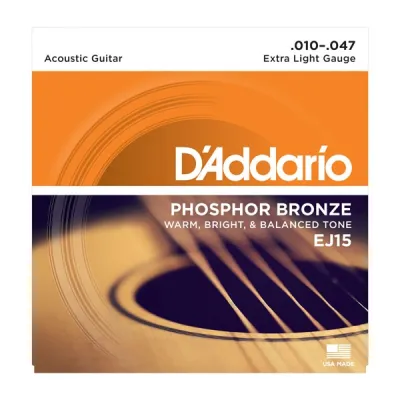
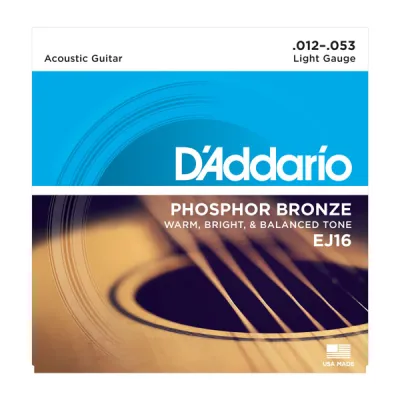
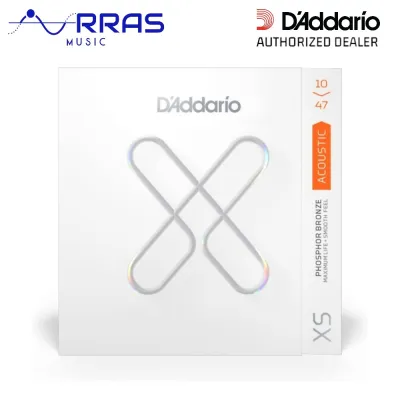


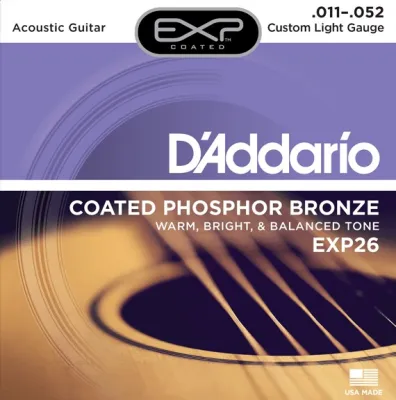
Prices are valid at publication and may change. Please refer to the product page for the latest price.
For a beginner, the tonal profile of phosphor bronze offers a highly forgiving and rewarding listening experience. Unlike 80/20 bronze strings, which can sound incredibly bright, brassy, and almost harsh when first installed, phosphor bronze delivers a richer midrange and a warmer, more complex low-end response. This balanced acoustic profile helps mask minor fretting imperfections and provides a smooth, full-bodied sound that complements both strumming and basic fingerpicking patterns.
Another significant advantage of phosphor bronze is its predictable break-in period. Freshly installed strings of any material tend to sound highly metallic and bright for the first few hours of playing. Phosphor bronze strings settle into their sweet spot relatively quickly, transitioning from that initial metallic edge to a warm, stable, and resonant voice that remains consistent for weeks. When shopping, always check the manufacturer’s packaging to confirm the specific alloy ratios and winding techniques, ensuring you are purchasing genuine phosphor bronze rather than a hybrid alloy.
Matching String Gauge to Your Finger Strength and Guitar Type
String gauge refers to the physical thickness of the strings, measured in thousandths of an inch. For example, a standard “light” set typically starts with a high E string measuring .012 inches and ends with a low E string measuring .053 inches. Understanding how these measurements affect playability is one of the most important steps in setting up your guitar for success.

The thickness of a string directly dictates the amount of physical tension required to pull it up to standard pitch. Heavier strings require significantly more tension, which translates directly to the amount of force your fingers must exert to press the string flat against the fretboard. For a beginner whose fingertips have not yet developed protective calluses or deep muscle memory, high-tension strings can cause rapid finger fatigue, soreness, and physical frustration.
Furthermore, the physical size and construction of your guitar play a role in determining the ideal gauge. Larger instruments, such as dreadnoughts or jumbo acoustics, feature large soundboards that require a certain amount of energy to vibrate effectively and produce their signature deep volume. Smaller instruments, like parlor, concert, or triple-O body shapes, have smaller soundboards that are easily driven by lighter strings. Beginners must balance these physical acoustic requirements with their own comfort, often opting for a slightly lighter gauge than the guitar’s default factory setup to ease the learning curve.
Evaluating Light and Extra-Light Gauges
Extra-light (.010–.047) and custom-light (.011–.052) gauges are highly advantageous for players who are just starting their musical journey. By reducing the overall tension on the fretboard, these thinner strings make it substantially easier to press down clean notes, execute smooth chord transitions, and practice challenging barre chords like the F major. The reduction in initial finger pain allows beginners to practice for longer periods without experiencing debilitating soreness.
However, choosing thinner strings does involve several trade-offs that players should keep in mind. Because lighter strings have less mass, they transfer less physical energy to the guitar’s bridge and soundboard, resulting in a noticeable reduction in overall acoustic volume and a thinner, less prominent bass response. Additionally, extra-light strings are more delicate and susceptible to breaking if a beginner strums with excessive force or uses a very thick, rigid plectrum.
When transitioning your guitar to a significantly lighter gauge than what was originally installed, it is important to observe how the instrument reacts. The sudden decrease in overall string tension can cause the guitar neck to straighten or bow backward slightly, which may lead to fret buzz. Beginners should also inspect the nut slots at the headstock; if the slots are cut for heavier strings, extra-light strings may sit loosely inside them, occasionally causing unwanted rattling or minor intonation issues during open-chord play.
Considering Medium Gauges for Volume and Durability
Medium gauge strings (typically .013–.056) are favored by flatpickers, bluegrass players, and heavy strummers who require maximum acoustic projection and a powerful, driving low-end response. The increased mass of medium strings drives the guitar’s top wood much harder, unlocking the full volume and resonance potential of larger instruments like dreadnoughts. They also offer exceptional tuning stability and are highly resistant to breaking, even under aggressive playing styles.
Despite these acoustic benefits, medium strings are generally not recommended for absolute beginners. The high tension required to bring these thick strings to pitch demands significant finger strength and hand endurance. New players attempting to learn on medium strings often struggle to press the strings down cleanly, leading to muted notes, buzzing chords, and rapid physical fatigue that can discourage daily practice.
Before deciding to try medium strings, it is absolutely essential to verify your guitar manufacturer’s specifications. The structural bracing inside an acoustic guitar is designed to withstand specific tension limits. Installing medium strings on a guitar built exclusively for light strings can exert excessive force on the bridge and neck joint, potentially warping the neck, lifting the bridge off the soundboard, or causing structural damage over time.
Navigating D'Addario's Phosphor Bronze Series and Naming Conventions
D’Addario uses a structured system of prefixes and color-coded packaging to help players identify their various string lines. Navigating these naming conventions is key to ensuring you purchase the exact material and gauge suited to your needs. The most common prefix you will encounter in their acoustic lineup is “EJ,” which represents their traditional, uncoated phosphor bronze strings.
When examining a D’Addario package, the gauge indicators are clearly printed on the front, showing both the general category (such as “Light” or “Extra Light”) and the exact decimal measurements of the high and low E strings. Beginners should also look for the color-coded ball ends at the bottom of the strings inside the package. D’Addario uses a standardized color system (such as brass, red, black, green, purple, and silver) to help players easily identify which string corresponds to which pitch, greatly simplifying the restringing process for novices.
Standard Phosphor Bronze Lines
The standard uncoated phosphor bronze line, represented by sets like the EJ16 (Light) or EJ15 (Extra Light), is celebrated for delivering a pure, organic acoustic tone. Because there is no synthetic barrier between your fingers and the metal wrap wire, these strings offer a highly responsive tactile feel and a direct, vibrant connection to the instrument’s natural resonance.
However, uncoated strings are highly vulnerable to environmental factors and physical wear. When you play, sweat, natural skin oils, and dead skin cells accumulate in the microscopic gaps between the round wrap wire. Over time, these contaminants, combined with atmospheric humidity, trigger oxidation. In warm, humid climates, this process accelerates rapidly, causing the copper in the phosphor bronze alloy to tarnish, turn dark brown, and lose its elastic properties.
As oxidation progresses, the strings undergo a noticeable tonal evolution, losing their initial bright attack and settling into a very dull, muddy sound with minimal sustain. To maximize the lifespan of standard uncoated sets, beginners must practice consistent maintenance. Wiping down each string thoroughly with a clean, dry microfiber cloth after every practice session is the most effective way to remove corrosive oils and extend the playability of your strings.
Coated and Treated Variants
To combat the rapid degradation caused by oxidation, D’Addario offers advanced coated and treated phosphor bronze options, such as their XS and XT series. These strings utilize ultra-thin protective barriers designed to shield the metal wrap wire from moisture, sweat, and dirt. The XS line features an incredibly thin film coating over the entire string, while the XT line uses a microscopic treatment on the wrap wire to preserve the natural feel of uncoated metal.
These protective technologies significantly alter both the tactile feel and the longevity of the strings. Coated strings typically feel much smoother to the touch, which can reduce finger squeak when sliding between chords—a feature many beginners find highly beneficial. While some traditionalists feel that coatings slightly dampen the initial brightness or raw attack of the string, modern micro-coatings are engineered to minimize this effect, delivering a tone that is remarkably close to a fresh uncoated set.
The primary advantage of coated variants is their exceptional lifespan, often lasting several times longer than standard uncoated strings before showing signs of tarnish or tonal decay. While these sets carry a higher initial price tag, they offer excellent long-term value, especially for beginners living in humid environments or those who dislike the chore of restringing their guitar frequently. Beginners should evaluate whether the convenience of fewer string changes justifies the higher upfront cost.
Maximizing Value and Verifying Authenticity at Checkout
When purchasing your first sets of strings, evaluating the overall value and ensuring you receive a genuine product are critical steps. For beginners, breaking a string during the tuning process or early practice sessions is a very common occurrence. Because of this, purchasing multi-packs (such as 3-packs) is highly recommended over buying individual single sets. Multi-packs offer a lower cost per set and ensure you always have an immediate replacement on hand, preventing your practice routine from being interrupted.
It is also vital to protect yourself against counterfeit products. Because D’Addario is one of the most popular string brands in the world, counterfeit copies are highly prevalent on unauthorized online marketplaces and discount platforms. These fake strings are manufactured with substandard metals and poor quality control, resulting in terrible intonation, rapid corrosion, a harsh feel, and a high likelihood of snapping under normal tension.
To guarantee you are purchasing authentic strings, always buy from authorized music retailers, official brand stores, or established local distributors. Authentic D’Addario packaging features a unique, sealed inner bag with a printed serial code. You can enter this code directly on the official D’Addario website to verify that your strings are genuine and eligible for their player rewards program.
During checkout, take a moment to review the transaction details carefully. Ensure that the pricing is displayed in S$ to avoid unexpected currency conversion fees, and verify the shipping costs and estimated delivery times. Purchasing from a reputable local dealer ensures faster shipping, reliable customer service, and a straightforward return policy if you accidentally purchase the wrong gauge or series.
Frequently Asked Questions (FAQ)
How often should a beginner change phosphor bronze strings?
Beginners should learn to identify the physical and visual signs of string wear rather than relying on a strict calendar schedule. The most obvious visual indicator is discoloration; fresh phosphor bronze has a bright, warm coppery-gold hue, but as it oxidizes, it turns dark brown, grey, or even green in spots. You may also feel physical rough spots, rust, or accumulated dirt along the underside of the strings where they make contact with the frets.
Tonally, old strings will sound noticeably dead, muddy, and flat, completely lacking the bright ring and sustain of a fresh set. If you find that your guitar is suddenly struggling to stay in tune or that chords sound slightly out of tune even after careful tuning, it is highly likely that the strings have lost their elasticity and need to be replaced.
The actual lifespan of your strings depends on several variables, including how many hours you practice each week, whether you wash your hands before playing, and the humidity of your storage environment. In humid conditions, uncoated strings may begin to lose their tone within three to four weeks of regular use, whereas coated strings can easily maintain their clarity and feel for several months.
Do phosphor bronze strings require a specific guitar setup?
Changing the gauge of your strings can significantly alter the physical forces acting on your guitar. An acoustic guitar is a delicate balance of opposing tensions: the steel strings pull the neck forward, while the truss rod inside the neck exerts force in the opposite direction to keep it straight. If you switch from a very light gauge to a heavier gauge, the increased tension will pull the neck forward, raising the action and making the strings harder to press down.
To minimize the need for immediate adjustments, beginners are highly advised to stick to the string gauge recommended by their guitar’s manufacturer. Most standard dreadnought acoustic guitars are set up at the factory using light (.012–.053) strings, while smaller parlor or travel guitars often ship with extra-light strings. Staying within these factory specifications ensures the instrument remains stable and comfortable to play without requiring immediate modifications.
If you do decide to change gauges and subsequently experience severe fret buzzing, an uncomfortably high action, or persistent tuning instability, you should not attempt to adjust the guitar’s truss rod or bridge saddle yourself. Instead, take your instrument to a qualified guitar technician or luthier. A professional setup will ensure that the nut slots, neck relief, and saddle height are perfectly calibrated to your chosen string gauge, protecting your instrument and ensuring optimal playability.

Community discussion
Share your experience or ask a question. Comments are reviewed before publication.