
Selecting your first musical instrument is an exciting milestone, but the sheer variety of options can quickly feel overwhelming. For those stepping into the world of stringed instruments, the Enya Nova ukulele series has emerged as a highly popular starting point. Unlike traditional wooden instruments, these modern ukuleles leverage synthetic materials to solve many of the common headaches that plague beginner players, such as warping, frequent detuning, and delicate maintenance requirements. Finding the best model for your specific needs comes down to understanding how different sizes, composite materials, and design profiles align with your physical comfort and learning goals.
Why Beginners Choose the Enya Nova Series
The primary appeal of the Enya Nova lineup lies in its departure from traditional tonewoods in favor of advanced composite materials. For a complete beginner, a traditional wooden ukulele can be surprisingly high-maintenance. Wood reacts constantly to environmental changes, expanding and contracting with fluctuations in moisture and temperature. In contrast, composite builds offer exceptional structural stability and consistency. This means the instrument arrives ready to play and remains structurally sound regardless of where you take it, providing a reliable foundation for developing your initial playing habits.
This durability is particularly advantageous in humid tropical climates like Singapore, where high relative humidity can easily cause traditional wooden instruments to swell, warp, or suffer from lifting bridges and cracked joints. A composite ukulele completely bypasses these climate-related risks. You can leave it on a stand in an air-conditioned room or take it outdoors to a humid park without worrying about structural damage. This set-it-and-forget-it nature allows beginners to focus entirely on practicing chords and rhythm rather than managing environmental controls.
Products mentioned in this guide
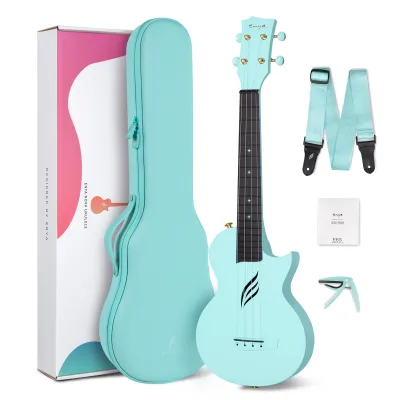
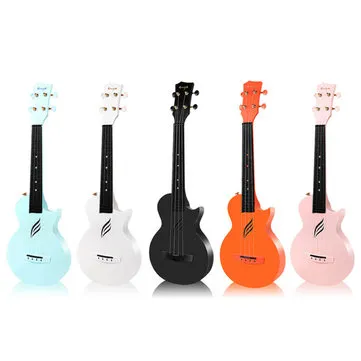
Prices are valid at publication and may change. Please refer to the product page for the latest price.
However, because the brand frequently updates its product lines, model names, and hardware configurations, it is essential to approach your purchase with a verification mindset. Newer generations may feature updated bridge designs, different fret materials, or modified accessory packages that differ from older reviews you might find online. Always verify the current product specifications and labels on the retailer’s listing before making your final decision.
How to Choose the Right Size and Material
When selecting a composite ukulele, your primary decisions will revolve around physical dimensions and the specific type of synthetic material used in construction. These two factors directly dictate how comfortable the instrument feels in your hands, how easy it is to press down on the strings, and the overall character of the sound produced. Balancing these elements ensures you choose an instrument that supports your physical learning process while delivering an encouraging acoustic tone.

Selecting the Ideal Scale Length for Your Hands
Ukuleles generally come in three primary sizes suitable for beginners: Soprano, Concert, and Tenor. The Soprano is the traditional, smallest size, offering a bright, classic ukulele sound. However, its short scale length means the frets are spaced closely together, which can feel cramped for adults or anyone with larger fingers. For most adult beginners, the Concert size represents the ideal middle ground. It provides a slightly longer neck and wider fret spacing, allowing for cleaner finger placement during complex chord transitions while retaining a highly portable form factor.
The Tenor size is the largest of the three standard options, offering the longest scale length and the widest fret spacing. This size produces a deeper, warmer, and more resonant tone that projects exceptionally well. The increased string tension on a Tenor model can make the strings feel slightly stiffer under your fingers, which might require a bit more finger strength during your first few weeks of practice. Conversely, younger players or those with very small hands often find the compact dimensions and lower string tension of a Soprano or a slim Concert model much easier to manage.
Neck width and profile also play a crucial role in playability. A neck that is too thick can cause hand fatigue during extended practice sessions, while a neck that is too narrow can lead to accidentally muting adjacent strings. The Nova series typically features a modern, slim neck profile designed to accommodate a wide range of hand sizes, making it easier to wrap your hand around the fretboard and transition smoothly between chords.
Weighing HPL Against Carbon Fiber Composites
Within the Enya Nova family, you will encounter two primary synthetic materials: High-Pressure Laminate (HPL) and carbon fiber composites. HPL is a material manufactured by pressing layers of wood fiber and resin together under extreme heat and pressure. It is incredibly tough, highly resistant to scratches, and can be finished with realistic wood-grain textures. Acoustically, HPL mimics the warm, balanced tone of traditional wood, making it an excellent choice for players who want the durability of synthetics but prefer a more classic look and sound.
Carbon fiber composites, on the other hand, blend carbon fibers with polymer resins to create an exceptionally lightweight yet rigid instrument. This rigidity allows the soundboard to be cast thinner than traditional wood, resulting in a highly responsive instrument with impressive volume, bright highs, and clear projection. Carbon fiber models are virtually impervious to physical impacts and weather extremes, making them the ultimate low-maintenance option.
When comparing these materials, consider your tonal preferences and where you plan to play. If you prefer a warmer, mellower sound that blends well with vocals, HPL is a strong contender. If you want maximum volume, crisp clarity, and a modern aesthetic, carbon fiber is highly effective. Always check the manufacturer’s current specifications for the exact percentage of carbon fiber used in the composite blend, as this ratio can influence both the flexibility of the top and the overall resonance of the instrument.
Which Enya Nova Profile Fits Your Learning Style
Rather than searching for a single “best” model, it is far more practical to match the ukulele’s design profile to your lifestyle and learning environment. Different configurations cater to distinct scenarios, whether you need an instrument that can survive outdoor adventures, a comfortable tool for quiet home practice, or a straightforward, budget-friendly entry point.
For Portability and Outdoor Travel
If your goal is to bring your music to beach outings, camping trips, or daily commutes, look for a model designed specifically for portability. Many carbon fiber models in this series feature a thin-body design, which significantly reduces the instrument’s depth without sacrificing too much volume. This slim profile makes the ukulele incredibly easy to pack into a backpack or carry-on luggage.
For travel, look for models that come equipped with pre-installed strap buttons. A strap is essential for maintaining proper playing posture while standing, preventing you from dropping the instrument during outdoor performances. Additionally, ensure the model includes a custom-fit, padded gig bag. Because thin-body and composite ukuleles have unique dimensions, a standard third-party case may not fit securely, making the manufacturer’s included bag highly valuable for transit protection.
For Standard Home Practice and Comfort
If your primary goal is to practice comfortably at home, a standard-depth Concert or Tenor model is generally the most rewarding choice. The deeper body cavity provides a fuller, richer acoustic resonance that makes solo practice highly satisfying. Look for models featuring an ergonomic neck joint and smooth, rounded fret ends, which prevent finger irritation during long practice sessions.
You might also want to consider whether you want built-in electronics. Some models feature acoustic-resonance pickups that allow you to add effects like reverb or chorus directly through the instrument’s body without plugging into an external amplifier. While not strictly necessary for absolute beginners, these features can add a layer of fun to your practice sessions and provide room to grow if you eventually want to record your playing or perform through a sound system.
For Budget-Conscious Starters
If you want to test the waters of learning the ukulele without making a significant financial commitment, prioritizing a basic acoustic model is the smartest approach. You can safely skip premium cosmetic finishes, intricate color patterns, and built-in electronic pickups. These features add to the manufacturing cost but do not alter the fundamental playability or structural quality of the instrument.
What you must not compromise on is tuning stability and basic build quality. Ensure the model you choose features high-quality, sealed geared tuners rather than cheap friction pegs, as stable tuning is critical to preventing frustration when you are first learning to match pitches. Look for starter bundles that package the basic acoustic instrument with essential accessories like a tuner, a strap, and a spare set of strings, as purchasing these items individually will quickly drive up your total investment.
Pre-Purchase Checklist for Online and In-Store Buying
Before finalizing your purchase, taking a few systematic steps can save you from common buyer’s remorse. First, verify the exact model generation you are purchasing. Manufacturers often make subtle updates to bridge designs, nut materials, or fret wire composition between production runs. Online listings on third-party marketplaces may sometimes use outdated photos or descriptions, so double-check the specifications with the seller to ensure you are getting the latest version.
Next, calculate the true total cost of your purchase in S$. While a bare-bones instrument might look cheaper upfront, check what accessories are included. If you have to buy a separate gig bag, digital tuner, strap, and cleaning cloth, your actual expenditure could rise significantly. Compare bundle deals carefully to see if the packaged accessories meet your needs or if you would be better off buying a mid-range model that includes a high-quality case.
If you are purchasing from an online marketplace, pay close attention to the seller’s return policy and warranty terms. Ensure there is a clear window for returns in case the instrument arrives with shipping damage or factory defects. If you are buying in person at a local music shop in Singapore, take the time to run your fingers along the edges of the fretboard to check for sharp fret ends, inspect the body for any hairline cracks or cosmetic blemishes, and pluck each string individually to listen for any unwanted buzzing or rattling.
Setting Up and Maintaining Your Composite Ukulele
Once your new ukulele arrives, a small amount of initial setup will ensure it plays beautifully. Brand-new nylon or fluorocarbon strings are highly elastic and will naturally stretch and slip during their first few days of use. Do not be discouraged if your instrument goes out of tune within minutes of your first few practice sessions. To speed up this settling process, gently stretch each string upward along the fretboard, retune the instrument, and repeat this process several times until the tuning begins to stabilize.
Cleaning a composite ukulele is incredibly straightforward compared to maintaining a wooden instrument. Because materials like carbon fiber and HPL do not absorb moisture, you can easily wipe down the body, neck, and fretboard with a slightly damp microfiber cloth to remove finger oils, sweat, and dust. Avoid using harsh chemical solvents, furniture polishes, or abrasive cleaners, as these can dull the matte finish or damage the synthetic fretboard material.
Even though composite ukuleles are exceptionally durable and resistant to environmental cracking, they are not completely indestructible. Proper storage is still essential to protect the mechanical components, such as the geared tuning pegs and any built-in electronics. When not in use, store your ukulele on a secure instrument stand or inside its padded gig bag to prevent accidental falls, which can chip the finish or bend the tuning keys.
Frequently Asked Questions (FAQ)
Do Enya Nova ukuleles need a humidifier?
No, composite materials like carbon fiber and High-Pressure Laminate (HPL) are completely unaffected by humidity changes, meaning they do not require humidifiers or specialized climate-controlled storage. However, you should still avoid exposing the instrument to extreme heat, such as leaving it inside a parked car under direct sunlight, as excessive temperatures can soften the adhesives used in construction and affect string tension.
Can I upgrade the strings on a composite ukulele?
Yes, you can easily upgrade or replace the strings on a composite ukulele with any standard nylon or fluorocarbon ukulele strings. When changing strings, ensure the new set matches the scale length of your specific model (Soprano, Concert, or Tenor) and check that the string gauge fits comfortably into the slots of the nut and bridge to maintain optimal action and prevent buzzing.
Are Enya Nova ukulele bundles worth it for beginners?
Yes, starter bundles are generally highly cost-effective for beginners because they typically include essential accessories like a custom-fit gig bag, a strap, a tuner, and replacement strings at a lower combined price than buying them separately. Just be sure to verify the quality of the included accessories, as some entry-level bundles may feature basic plastic tuners or unpadded bags that you might want to upgrade later as your playing progresses.
Community discussion
Share your experience or ask a question. Comments are reviewed before publication.