
When choosing your first Fender Stratocaster, the specifications that matter most are those directly affecting playability, tonal versatility, and maintenance. Specifically, a beginner should focus on the pickup configuration (SSS vs. HSS), the neck profile and fretboard radius for hand comfort, the bridge system (tremolo vs. hardtail), and the physical weight and balance of the body. Prioritizing these hands-on specifications over aesthetic details or historical accuracy ensures you select an instrument that encourages daily practice and grows with your musical style.
Whether you are looking at an entry-level model around S$300 or a mid-range instrument closer to S$1,200, understanding how these technical details translate to your daily playing experience is the key to making a confident purchase.
Pickup Configurations: Choosing Between SSS and HSS Layouts
The pickup configuration is the single most influential specification determining your guitar’s voice and versatility. The traditional Stratocaster layout is known as SSS, featuring three single-coil pickups. This configuration delivers the classic, bright, and glassy tones made famous in blues, funk, and classic rock. However, single-coil pickups are inherently susceptible to 60-cycle hum, a low-frequency buzz that becomes more noticeable when using distortion or playing near electronic devices.
Products mentioned in this guide
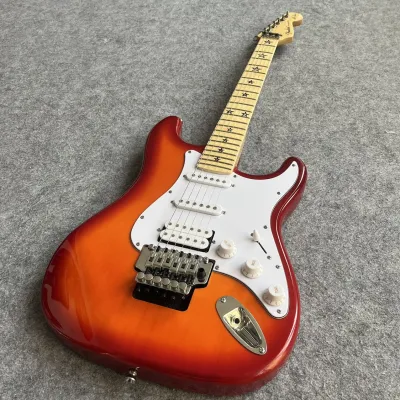
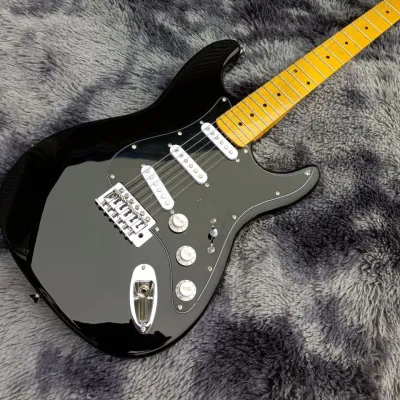


![[READY STOCKS] LEGO Ideas 21329 Fender Stratocaster](https://img.lazcdn.com/g/p/774423f49dd017f5bd38929e755d84e8.jpg_400x400q80.jpg_.webp)
Prices are valid at publication and may change. Please refer to the product page for the latest price.
If you plan to play heavier musical genres like modern rock, metal, or alternative music, an HSS configuration is highly practical. This layout places a humbucker pickup in the bridge position while keeping single-coils in the middle and neck positions. The humbucker provides a higher output and naturally cancels hum, offering a thicker, warmer tone that handles high-gain distortion exceptionally well.
When browsing specifications, check the product description for coil-split or push-pull switching options. This feature allows you to temporarily split the bridge humbucker to mimic a single-coil sound. This option gives you a highly versatile combination, maximizing your tonal options on a single instrument.
Neck Profiles and Fretboard Radius: Matching Your Hand Comfort
The neck of the guitar is your primary point of physical contact, making its shape and size critical to your playing comfort. Neck profiles describe the cross-sectional shape of the neck, with “Modern C” and “Deep C” being the most common modern standards. A Modern C profile is relatively slim and fits a wide variety of hand sizes comfortably, while a Deep C profile offers a slightly fuller grip. Always verify these shapes using the manufacturer’s official spec sheet rather than relying on visual guesses from online photos.

Another key specification is the fretboard radius, which measures the curvature of the fretboard surface. A smaller radius, such as 7.25 inches, is highly curved and makes playing chords near the nut very comfortable. A larger, flatter radius, like 9.5 or 12 inches, is widely preferred for lead playing because it allows you to bend strings smoothly without the notes cutting out prematurely.
While these numbers provide a helpful starting point, physical testing must always override spec-sheet data. Hand geometry, finger length, and personal grip preferences are entirely unique. Spending even five minutes holding different neck profiles at a local music shop will tell you more about your ideal fit than any specification list.
Body Woods and Weight: Evaluating Balance and Finish
The physical construction of the guitar body affects how the instrument rests against you during long practice sessions. Common body materials for Stratocasters include Alder, Ash, and Poplar. Rather than focusing on unproven debates about how these woods affect tone, beginners should evaluate them based on physical weight and balance. Poplar is a lightweight wood frequently used in entry-level models, while Alder is a classic, medium-weight option that provides a balanced feel.
When trying out a guitar, always use a strap and stand up to check its physical balance. A well-designed Stratocaster should hang comfortably against your torso without the neck diving toward the floor. The classic body contours—specifically the belly cut on the back and the forearm bevel on the front—are designed to prevent the edges from digging into your body while you play.
You should also consider the finish type, which is typically gloss polyester, polyurethane, or satin. A satin finish on the back of the neck prevents your hand from sticking when you sweat, while a gloss finish on the body is highly durable but tends to show fingerprints and minor scratches more easily. Choosing a finish that matches your maintenance preferences will keep your instrument looking clean with minimal effort.
Bridge Systems: Navigating Tremolo and Hardtail Options
The bridge system controls how your strings are anchored to the body and directly impacts tuning stability and maintenance. Most Stratocasters feature a synchronized tremolo system, which allows you to bend the pitch of all strings simultaneously using a whammy bar. These systems come in modern 2-point or vintage-style 6-point designs. While highly expressive, tremolo systems require balancing string tension against internal springs, which makes changing strings and adjusting tuning slightly more complex for beginners.
For players who want a straightforward, low-maintenance experience, a hardtail (fixed) bridge is an excellent alternative. Hardtail bridges do not move, which inherently provides highly stable tuning and simplifies the string-changing process. This setup allows you to focus entirely on learning your first chords without worrying about spring tension adjustments.
If you decide on a tremolo-equipped model, always verify that the tremolo arm is included in the packaging. Additionally, inspect the bridge plate to ensure it sits parallel to the guitar body, as an improperly aligned bridge can lead to tuning issues right out of the box.
In-Store Testing: A Practical Checklist for Your Shortlist
Once you have narrowed down your choices, a physical inspection is the most reliable way to ensure you get a high-quality instrument. Start by running your fingers gently along both sides of the neck to check for sharp fret ends, which can occur if the wood shrinks. Inspect the neck pocket—the joint where the neck meets the body—for any visible gaps, and gently wiggle the tuning pegs and control knobs to ensure everything is securely tightened.
Next, play the guitar unplugged to test its natural resonance. The strings should vibrate freely, and you should not hear any persistent buzzing against the frets. After the acoustic test, plug the guitar into an amplifier to test the electronics. Cycle through all five positions of the pickup selector switch and turn the volume and tone knobs slowly to verify there is no crackling or static noise.
Finally, check the included accessories against the official product listing before finalizing your purchase. Many models include essential tools like truss rod adjustment wrenches, extra tremolo springs, or a gig bag. Confirming these items are present saves you from having to purchase basic maintenance tools separately.
Frequently Asked Questions (FAQ)
Does a more expensive Fender Stratocaster always sound better for a beginner?
No, a higher price tag does not guarantee a better sound for someone just starting out. While premium models feature upgraded hardware, select woods, and more refined craftsmanship, the final sound is heavily influenced by your amplifier, your effects, and your playing technique. A well-set-up entry-level model played through a decent amplifier will sound much better than an expensive guitar that has not been properly adjusted.
Should I buy a vintage reissue or a modern series as my first Strat?
For your first guitar, a modern series is generally the more practical choice. Vintage reissues often feature specifications like a highly curved fretboard radius, smaller frets, and vintage-style tuners, which can make string bending more difficult and tuning less stable for beginners. Modern series are designed with contemporary playability in mind, featuring flatter fretboards, larger frets, and modern hardware that simplifies maintenance and tuning.

Community discussion
Share your experience or ask a question. Comments are reviewed before publication.