
Selecting your first electric guitar is a pivotal step in your musical journey, and Ibanez is a brand that frequently tops the recommendation lists for beginners. For those starting out, the Ibanez GIO series stands as the primary entry-level lineup, specifically engineered to deliver the brand’s signature playability and modern aesthetics at an accessible price point. Within this series, you will encounter various model prefixes such as GRG and GRX, which denote specific body shapes and hardware configurations rather than differences in overall build quality. By understanding how these instruments are structured and what features align with your learning goals, you can confidently choose a guitar that keeps you motivated to practice every day.
Understanding Ibanez's Entry-Level Hierarchy
The GIO series is Ibanez’s dedicated gateway for new players, designed to offer the look, feel, and spirit of their high-end professional instruments without the premium price tag. Rather than compromising on the fundamental geometry that makes Ibanez guitars famous, the manufacturer utilizes cost-effective tonewoods, simplified electronics, and standardized hardware to keep these instruments highly accessible. This approach ensures that beginners can experience a high level of playability while keeping their initial investment reasonable, often starting around S$250 to S$400 depending on the specific model and retail package.
When browsing the GIO catalog, the letter prefixes in the model names serve as a map to the guitar’s physical design. For example, GRG models are based on the iconic RG series, characterized by sharp, aggressive body horns and flat tops. On the other hand, GRX models draw inspiration from the RX series, featuring more rounded edges and a traditional aesthetic. There are also GSA models, which offer a lightweight, arched-top body design. Understanding these prefixes helps you narrow down your visual and ergonomic preferences, as the core build quality remains consistent across the GIO family.
Products mentioned in this guide
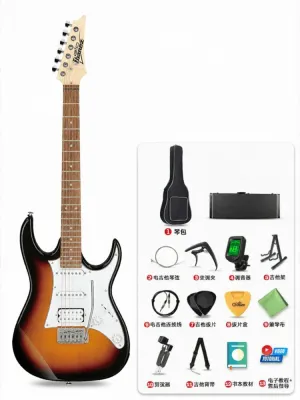
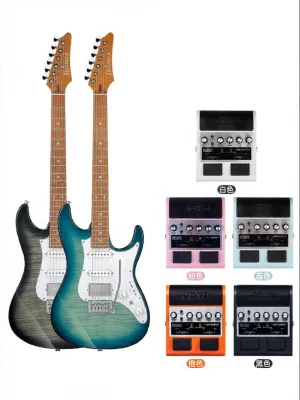
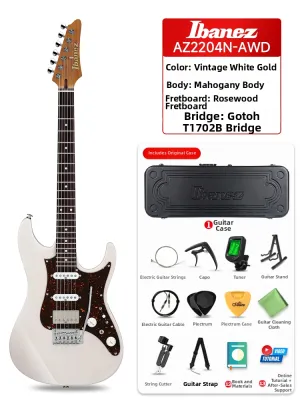


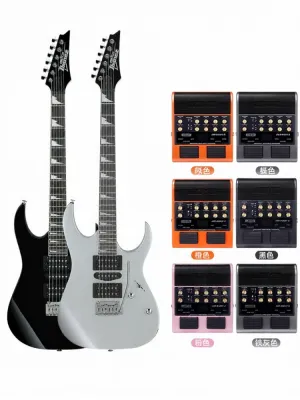
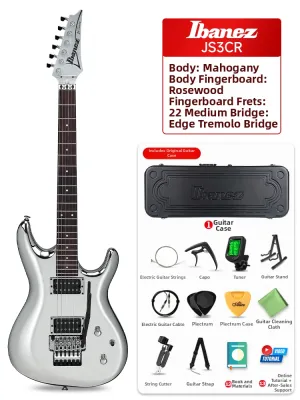
Prices are valid at publication and may change. Please refer to the product page for the latest price.
Because specifications can change based on production years and regional distribution, it is always wise to verify the exact details of a model before purchasing. Wood choices for the body—such as poplar, okoume, or maple—and the specific hardware installed can vary. Checking the manufacturer’s official specifications or consulting the product label at an authorized local retailer ensures you know exactly what materials are used in the instrument you are bringing home.
Key Specifications That Affect Playability
The physical dimensions of a guitar neck directly influence how comfortable it feels in your hands, especially when you are first learning to form chords. Ibanez is globally renowned for its thin neck profiles, historically exemplified by the Wizard neck found on their high-end models. In the GIO series, the necks are designed to be slightly rounder than a true Wizard neck to provide extra support for developing hands, yet they remain significantly thinner and flatter than the chunky necks typical of vintage-style guitars. This slim profile reduces the physical strain on your fretting hand, making it easier to reach across the fretboard, though you should always check the exact nut width and neck thickness specifications to ensure a good personal fit.

Another critical decision for any beginner is choosing between a fixed bridge and a tremolo system. A fixed bridge, often called a hardtail, anchors the strings directly to the body of the guitar. This design is highly recommended for beginners because it offers exceptional tuning stability, simplifies the string-changing process, and ensures the guitar stays in tune even if you experiment with different string gauges. Tremolo systems, which feature a whammy bar to bend the pitch of the strings, offer creative tonal options but introduce mechanical complexity. For a novice, a tremolo bridge can make tuning more tedious and requires careful adjustment to maintain proper balance.
The pickup configuration of your guitar determines its fundamental voice and tonal flexibility. Pickups generally fall into two categories: single-coils, which produce a bright, crisp, and clear sound, and humbuckers, which offer a thicker, warmer tone and naturally eliminate electrical hum. Ibanez guitars commonly feature layouts like HH (two humbuckers) or HSS (one humbucker and two single-coils). Choosing a layout that matches your practice goals allows you to explore different genres effectively, giving you the right sonic foundation from your very first practice session.
Matching the Guitar to Your Musical Goals
If your musical interests lean heavily toward modern rock, metal, or hard rock, prioritizing an Ibanez model with humbucking pickups is highly advantageous. Humbuckers are designed to handle high levels of distortion and overdrive without producing excessive background noise or feedback. The thick, powerful mid-range frequencies of a humbucker provide the punch and sustain required for heavy riffs and soaring solos. Additionally, pairing humbuckers with a fixed bridge allows you to practice aggressive palm muting and alternative tunings without worrying about the guitar slipping out of tune.
For players who prefer a broader, more eclectic mix of genres—such as pop, blues, funk, and classic rock—an HSS or HSH pickup configuration offers outstanding versatility. The single-coil pickups in the middle and neck positions deliver the sparkling, clean tones necessary for rhythmic funk strumming or smooth, expressive blues lines. When you need more power for a rock chorus or a biting lead tone, you can easily switch to the bridge humbucker. This hybrid setup acts as an excellent sonic laboratory, allowing you to experiment with different sounds as you develop your musical identity.
While the guitar itself is the foundation of your sound, it is important to remember that your final tone is a product of the entire signal chain. The amplifier you use, the settings on your control knobs, and even the thickness of your guitar pick play massive roles in shaping what you hear. When budgeting for your first instrument, look closely at product descriptions on authorized retail sites to see if the guitar is sold individually or as part of a starter bundle. A bundle can provide excellent value by including essential accessories like a cable, strap, tuner, and gig bag, saving you the hassle of sourcing them separately.
Pre-Purchase Inspection and Setup Requirements
Before finalizing your purchase, performing a basic physical inspection of the guitar can save you from future frustration. Start by running your fingers gently along both sides of the neck to check for sharp fret ends; the metal frets should feel smooth and flush with the wood. Next, hold the guitar up and sight down the edge of the neck from the headstock toward the body to ensure the neck is relatively straight and free of obvious twists. Finally, turn each tuning machine slowly to confirm that they rotate smoothly and hold their position without slipping or feeling loose.
Understanding the necessity of a professional setup is crucial for any new guitar owner, particularly in regions with high humidity like Singapore. Because guitars are constructed primarily of wood, they are highly sensitive to environmental changes. High humidity can cause the neck wood to expand and bow, which raises the string height (action) and makes the guitar significantly harder to play. A professional setup involves adjusting the truss rod inside the neck, setting the correct string height at the bridge, and adjusting the intonation so that notes play perfectly in tune across all fret positions.
If you notice structural issues, severe fret buzz, or hardware defects during your initial inspection, it is best to stop and consult a qualified guitar technician or the retailer. Attempting to force adjustments on a neck or bridge without the proper tools and experience can lead to permanent damage. A reputable local music shop can perform a professional setup on your new Ibanez, ensuring that the instrument is optimized for maximum playability and comfort, allowing you to focus entirely on learning to play.
Frequently Asked Questions (FAQ)
Do I need to buy an amplifier separately?
Yes, an electric guitar requires an external amplifier to produce a practical volume level for playing and practicing. Because the acoustic sound of an unplugged electric guitar is very quiet, you will need a dedicated guitar amplifier and a standard quarter-inch instrument cable to connect the two. For beginners, a compact practice amplifier or a headphone amplifier is highly recommended, as they offer excellent sound quality at manageable volumes. Always verify the details of your purchase, as some retail packages are sold as complete starter kits containing an amplifier, while standalone guitars require you to purchase the amplifier and cable separately.
Are Ibanez necks suitable for players with small hands?
Ibanez guitars are widely celebrated for having some of the most comfortable and accessible neck profiles for players with smaller hands or shorter fingers. Their slim, flat design reduces the physical distance your hand must stretch to reach across the fretboard, making complex chord shapes and scale patterns much easier to execute. However, because hand ergonomics are highly personal, it is always beneficial to physically hold the instrument at a local music store before buying. If you are purchasing online through an ecommerce platform, carefully review the manufacturer’s specifications for nut width and neck thickness to ensure the dimensions align with your comfort preferences.

Community discussion
Share your experience or ask a question. Comments are reviewed before publication.