
Introducing music theory for young learners does not have to begin with dry worksheets or tedious drills. Instead, classical music recordings on physical formats like vinyl records and CDs offer a tactile, deeply engaging entry point into the foundational building blocks of sound. By selecting specific, highly structured compositions that feature distinct instrument separation, clear rhythmic motifs, and vivid thematic contrasts, parents and educators can transform passive listening into an active educational journey. Physical media provides a focused, screen-free alternative that encourages children to slow down, observe, and connect auditory concepts with visual and physical cues.
How to Choose Classical Recordings for Music Theory Basics
Teaching music theory for young minds requires a deliberate shift away from background listening toward structured, active engagement. When selecting classical recordings for educational purposes, the complexity of the piece must match the child’s developmental stage. Shorter movements, vivid thematic contrasts, and engaging narrative programs are essential for holding a young learner’s attention. A sprawling, hour-long late-Romantic symphony may overwhelm a beginner, whereas a concise baroque dance or a character piece with clear structural boundaries provides a digestible framework for analysis.
To translate these recordings into lessons on foundational theory, look for compositions where specific musical elements are highly pronounced. Rhythm is best introduced through pieces with strong, repetitive patterns (ostinatos) or clear, physical pulses that invite movement. Melody can be highlighted through works that feature memorable, singable themes that return frequently, allowing children to grasp the concept of repetition and variation. Harmony and timbre are easiest to decipher when different sections of the orchestra engage in clear musical dialogues, making it simple to isolate individual instrumental voices and chordal shifts.
Products mentioned in this guide
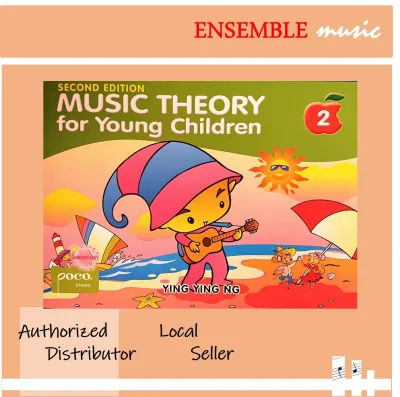

Prices are valid at publication and may change. Please refer to the product page for the latest price.
The choice of recording quality plays a critical role in how easily a child can distinguish these theoretical elements. High-quality, modern stereo recordings are vastly superior to historical mono releases for educational use. In a well-engineered stereo field, different instruments are physically positioned across the left and right channels, creating a spatial map of the orchestra. This acoustic separation allows young ears to isolate a solo flute from the surrounding string accompaniment, or to trace a counterpoint line as it moves from the violins to the cellos. Historical mono recordings, while artistically valuable, often lack this spatial clarity, resulting in a dense, compressed soundstage that makes individual harmonic layers difficult for a beginner to untangle.
Essential Classical Compositions to Look For on Vinyl and CD
Finding the right compositions is the next step in building an educational physical media library. Rather than searching for obscure releases, focus on widely available, landmark classical works that naturally isolate and highlight core musical concepts.

For Instrument Identification and Timbre
Timbre—the unique sound quality or “color” of an instrument—is one of the most intuitive music theory concepts for young learners to grasp. Sergei Prokofiev’s Peter and the Wolf is arguably the gold standard for this lesson, as it explicitly assigns a specific orchestral instrument and melodic theme to each character in the story. The bright, bird-like flutter of the flute represents the bird, while the low, reedy growl of the three French horns depicts the wolf, making the connection between physical instrument and character identity immediate and memorable.
Benjamin Britten’s The Young Person’s Guide to the Orchestra takes a more systematic approach, presenting a central theme by Henry Purcell and variations that showcase each orchestral family in turn. By listening to this work on CD or vinyl, children learn to distinguish the bright, metallic ring of the brass from the warm, woody resonance of the woodwinds. Another excellent option is Camille Saint-Saëns’ The Carnival of the Animals, which uses clever instrumental pairings, such as two pianos and a double bass to depict an elephant, demonstrating how composers use timbre to evoke physical characteristics and emotions.
For Rhythm, Melody, and Dynamics
Rhythm and dynamics provide the physical energy of music, making them highly accessible to active children. To introduce complex rhythmic structures, Gustav Holst’s The Planets, specifically the movement “Mars, the Bringer of War,” offers a masterclass in irregular meter. Written in 5/4 time, its driving, relentless ostinato pattern helps older children understand that rhythm is not always limited to simple duple or triple beats.
For melodic phrasing and thematic development, Pyotr Ilyich Tchaikovsky’s The Nutcracker Suite provides exceptionally clear, symmetrical phrases that are easy for young ears to map and hum. The “Dance of the Sugar Plum Fairy” also introduces distinct dynamic contrasts, shifting from quiet, delicate celesta passages to sudden, full-orchestra swells. Similarly, Edvard Grieg’s Peer Gynt Suite No. 1, particularly “In the Hall of the Mountain King,” demonstrates a continuous crescendo and accelerando, showing children how gradual changes in volume and speed build dramatic tension.
For Harmony, Counterpoint, and Structure
As young learners progress, physical recordings can help demystify more complex structural and harmonic concepts. Johann Sebastian Bach’s Brandenburg Concertos are excellent tools for introducing counterpoint—the art of weaving independent melodic lines together. The lively, conversational nature of these baroque concertos makes it easy for children to hear how different instruments take turns playing the main theme while others provide harmonic support underneath.
To teach musical structure and the classical sonata form, Wolfgang Amadeus Mozart’s Eine kleine Nachtmusik offers a highly predictable, balanced model. Its clear exposition, development, and recapitulation sections allow educators to pause a CD or point to a vinyl track transition to explain how a musical story is organized. Early symphonies by Joseph Haydn, often referred to as the father of the symphony, also utilize clear phrase structures and call-and-response patterns that demonstrate the concept of musical balance and harmonic resolution.
Vinyl vs. CD: Which Format is Better for Young Learners?
Choosing between vinyl records and compact discs involves balancing educational benefits, practical household dynamics, and the age of the child. Both physical formats offer distinct advantages that digital streaming often fails to replicate, particularly in fostering a focused listening environment.
Vinyl Records
Vinyl records excel at creating a multisensory, highly engaging learning experience. The large-format album jackets, often measuring 12 inches, provide ample space for vibrant artwork, detailed instrument diagrams, and printed storybooks that children can pore over while listening. The physical ritual of pulling a record from its sleeve, placing it on the platter, and gently lowering the stylus teaches children patience, focus, and a deep respect for the medium. Furthermore, looking closely at the physical grooves on a vinyl record provides a direct visual-auditory link: loud, dynamic passages actually look wider and more chaotic in the grooves, while quiet, simple passages look smooth and narrow.
However, because vinyl is delicate and susceptible to scratches, this format requires close adult supervision, making it a shared, interactive activity rather than an independent one. In a humid, tropical climate like Singapore, vinyl also demands meticulous care. High humidity levels can quickly lead to mold growth and warping if records are not stored vertically in dry, well-ventilated spaces, meaning parents must take on the responsibility of physical maintenance.
CDs
Compact discs offer unmatched practicality, durability, and educational flexibility. The primary advantage of the CD format is the ability to instantly skip to specific tracks or index points, which is incredibly useful when an educator wants to repeat a specific 15-second motif, rhythm, or instrumental solo for analysis. CDs are highly durable, resistant to minor handling errors, and compact enough to be played in the car during school runs.
Furthermore, because CD players are simple and safe to operate, they grant older children the independence to control their own learning pace. This allows them to explore classical tracks, pause to read the booklet, and repeat difficult passages without constant adult intervention.
Comparison Table
Let’s compare these two physical formats across key educational and practical dimensions to help you decide which fits your home environment.
| Format | Durability | Focus/Engagement | Accessibility/Track Skipping | Adult Supervision Required |
|---|---|---|---|---|
| Vinyl Records | Low; easily scratched, sensitive to dust and high humidity. | High; tactile ritual and large artwork encourage deep focus. | Low; requires manual cueing of the stylus to find specific passages. | Yes; essential for younger children to protect hardware and media. |
| CDs | High; resistant to drops, easy to clean, highly stable. | Moderate; smaller artwork but highly functional for active study. | High; instant track skipping and precise looping of educational segments. | No; safe for older children to operate independently. |
What to Check Before Buying Classical Vinyl and CDs
When building an educational library, not all classical releases are created equal. To ensure your purchases serve as effective tools for teaching music theory, run through this practical pre-purchase checklist.
- Recording Version and Conductor: Always verify the recording details before buying. Look for modern digital recordings (often marked DDD on CDs) or high-quality analog stereo remasters. Avoid heavily compressed, historical mono recordings from the early 20th century unless you are specifically studying performance practice. Poor audio fidelity can muddy the instrumental textures, making it incredibly difficult for a child to isolate the oboe from the clarinet or hear subtle harmonic shifts in the lower strings. While budget-friendly CD releases can often be found for under S$20, premium vinyl pressings or specialized educational box sets with illustrated books may range from S$40 to S$60.
- Media Compatibility: Double-check the physical specifications of the media and your playback devices. For vinyl, verify the playback speed (most classical albums run at 33 1/3 RPM, but some audiophile editions are pressed at 45 RPM). For imported CDs, ensure they are compatible with your home player; some educational CD-ROMs or hybrid video discs have regional restrictions or require specific codecs that are incompatible with standard audio CD players. Never infer the exact contents or compatibility of an edition solely from the cover art or title.
- Supplementary Materials: Prioritize editions that include robust physical booklets, liner notes, or illustrated guides. Many educational classical releases contain illustrated maps of the orchestra, thematic breakdowns, or narrative text that directly corresponds to the track numbers. These visual aids are invaluable for reinforcing the auditory concepts a child is hearing.
- Track Completeness: Beware of budget "greatest hits" or heavily truncated compilations. While these might seem like an easy way to get multiple famous melodies on one disc, they frequently fade out movements early or cut crucial developmental sections. This breaks the structural integrity of the composition, making it impossible to teach concepts like sonata form, theme and variations, or complete symphonic arcs.
Tips for Active Listening and Teaching Music Theory at Home
Simply pressing play is rarely enough to keep a young child engaged with classical music. To truly unlock the educational potential of your vinyl and CD collection, integrate active listening techniques into your daily routine.
- Active Listening Techniques: Encourage physical interaction with the music. Have your child clap or tap their feet along to the pulse to identify the time signature, or march around the room to experience tempo changes firsthand. Use visual aids, such as flashcards featuring different instruments, and have the child hold up the correct card when they hear a specific instrument solo. You can also ask them to draw or paint on paper, translating the dynamics (loud, dark strokes for brass; light, swirling lines for woodwinds) into visual art.
- Segmenting the Experience: Respect your child's developmental limits by breaking the listening sessions into small, digestible pieces. Do not expect a young child to sit quietly through a complete 40-minute symphony. Instead, focus on a single 3-minute movement, a specific melodic variation, or even a single contrasting passage. Stop the playback to discuss what changed—did the music get faster, did a new instrument take over the melody, or did the mood shift from happy to suspenseful?
- Environment Setup: In compact living environments, such as Singapore HDB flats or apartments, managing auditory and visual distractions is key to fostering deep focus. Set up a cozy "listening corner" near your record player or CD console, away from television screens and digital devices. Consider using high-quality, volume-limited headphones designed for children if you need to block out ambient city noise, ensuring they can hear the delicate nuances of the classical recordings without damaging their hearing.
Frequently Asked Questions (FAQ)
At what age should children start listening to classical music for theory?
Children can begin engaging with classical music at any age, but the educational focus should shift as they grow. Toddlers and preschoolers (ages 2 to 5) are highly receptive to basic concepts like tempo (fast vs. slow), dynamics (loud vs. soft), and simple instrument identification through movement and play. More formal music theory concepts, such as reading notation, understanding harmonic progressions, identifying complex time signatures, and analyzing structural forms like the sonata, are generally best introduced to school-aged children (ages 6 and up) who have developed the necessary abstract thinking skills and longer attention spans.
Do I need a special turntable to play educational classical vinyl?
No, you do not need an expensive audiophile turntable to teach music theory, but the equipment must be reliable and properly calibrated. A standard, entry-level belt-drive or direct-drive turntable from a reputable audio brand is perfectly adequate. Ensure the turntable features a counterweight-adjustable tonearm and a clean, unaligned stylus to prevent record wear. High-quality tracking is essential because classical music contains wide dynamic ranges; a poor-quality, non-adjustable plastic turntable may skip during loud orchestral climaxes and fail to resolve the delicate, quiet details needed for ear training.
Are digital streams a good alternative to physical CDs and vinyl for kids?
While digital streaming platforms offer immense catalog convenience and instant access for quick reference, they often lack the educational efficacy of physical media. Streaming encourages passive, continuous background listening, whereas physical vinyl and CDs demand intentional interaction. The physical acts of selecting a disc, reading the printed liner notes, studying the large-format artwork, and watching the record spin all contribute to a highly focused, multi-sensory learning environment. This tactile feedback helps children associate music with a physical object, reinforcing active listening habits that are crucial for developing ear-training and music-theory skills.
Community discussion
Share your experience or ask a question. Comments are reviewed before publication.