
Choosing your first guitar tuner is one of the most important decisions you will make when starting your musical journey. An out-of-tune guitar can make even perfect finger placement sound discouraging, leading many beginners to believe they are making no progress when the instrument is simply at fault. To get in tune quickly and reliably, you must choose between three primary formats: clip-on tuners, pedal tuners, and smartphone tuning apps.
The ideal choice depends entirely on your instrument type, where you practice, and your budget. If you play an acoustic guitar in various rooms, a clip-on tuner offers the best balance of convenience and isolation from background noise. For electric guitarists practicing at home or planning to build a pedalboard, a dedicated pedal tuner provides unmatched durability and silent tuning. If you are on a strict budget and practice in a quiet bedroom, a smartphone app is an excellent zero-cost starting point, though it comes with environmental limitations.
How to Match the Tuner Format to Your Guitar and Environment
Finding the right tuner requires looking closely at your daily playing habits and physical surroundings. Beginners often make the mistake of buying a tuner based solely on popularity, only to find it does not perform well in their specific environment. For instance, a smartphone app that works perfectly in a silent bedroom can become completely unusable in a lively living room or a music school hallway.
Products mentioned in this guide
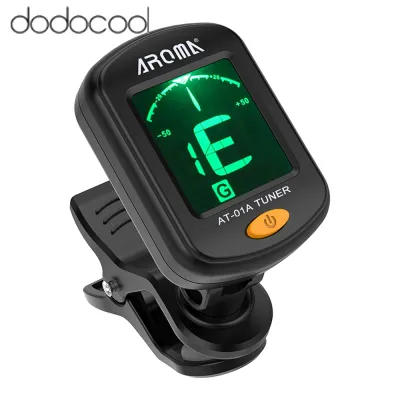
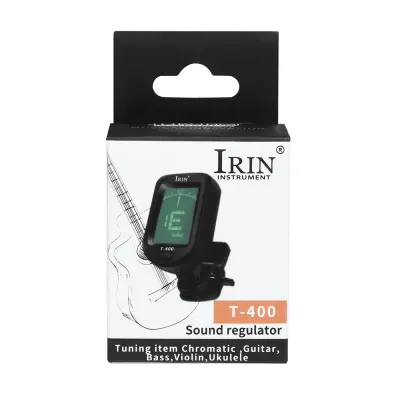
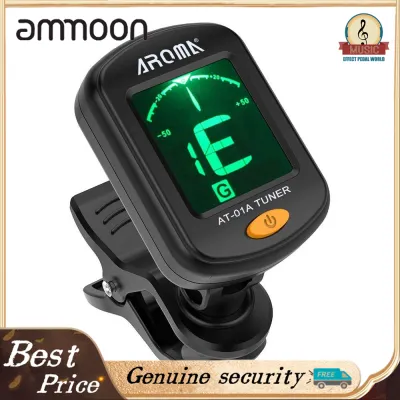
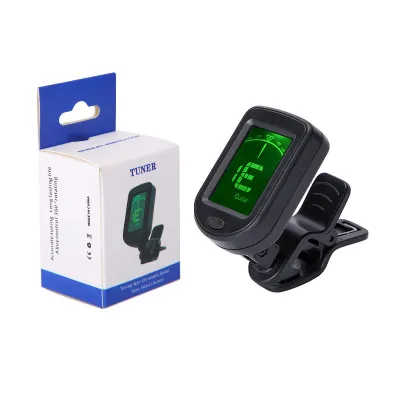
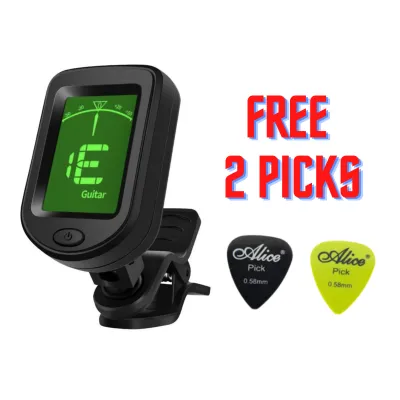
Prices are valid at publication and may change. Please refer to the product page for the latest price.
Your guitar type is the first major variable to consider. Classical guitars with nylon strings and traditional acoustic guitars rely on natural resonance, making them highly compatible with clip-on tuners that detect physical vibrations. Electric guitars, on the other hand, produce very little acoustic volume when unplugged. While you can use a clip-on tuner on an electric headstock, a pedal tuner that connects directly to the guitar’s output jack via a standard cable is far more reliable.
Background noise is another critical factor. In a bustling household or a shared apartment in Singapore, ambient sounds like television audio, air conditioning units, or family conversations can easily confuse a smartphone microphone. If your practice space is prone to these distractions, physical hardware like a clip-on or pedal tuner is essential because they bypass ambient air entirely to detect pitch.
Finally, consider your existing gear setup. If you have already invested in an electric guitar and a small amplifier, adding a pedal tuner to your signal chain is a logical step that prepares you for future effects pedals. If you prefer to keep your setup as minimalist as possible, a small clip-on tuner can live permanently on your guitar’s headstock, ready to use at a moment’s notice without any extra cables.
Clip-On Tuners: Portability and Acoustic Convenience
Clip-on tuners clamp directly onto the headstock of your guitar, utilizing a small piezo sensor to detect physical vibrations passing through the wood rather than listening to the sound traveling through the air. This vibration-sensing mechanism makes them highly immune to ambient room noise, allowing you to tune accurately even in a noisy living room or a busy classroom.

These devices are exceptionally portable, lightweight, and affordable. They easily slip into a gig bag pocket and feature adjustable displays that keep your hands free to pluck strings and turn tuning pegs. However, their plastic casings can be fragile if dropped, and they rely on small batteries like CR2032 coin cells that require periodic replacement.
Before buying, verify that the clamp opens wide enough for your headstock and features soft rubber padding to protect the guitar’s finish. A bright, high-contrast color screen is also essential for readability in varying light conditions.
Pedal Tuners: Stage-Ready and Electric-Focused
For electric guitarists, a pedal tuner is the gold standard. You plug your electric or acoustic-electric guitar directly into the pedal’s input jack using a standard quarter-inch instrument cable, allowing the device to analyze the electrical signal coming directly from your guitar’s pickups.
This direct connection ensures absolute accuracy and complete immunity to external noise. Additionally, pedal tuners automatically mute your guitar’s output when engaged, allowing you to tune in complete silence. Built with heavy-duty metal chassis, they sit securely on the floor or a pedalboard and feature large, bright displays that are easy to read from a standing position.
The primary trade-offs are cost, portability, and power requirements. Pedal tuners are more expensive, require extra cables, and typically need a dedicated 9V DC power adapter rather than running on small batteries.
Before purchasing, confirm your guitar has an onboard pickup and an output jack. Check if the pedal requires a specific power adapter (often sold separately) and look for “true bypass” circuitry to ensure your natural tone remains unaffected when the pedal is turned off.
Smartphone Tuning Apps: Zero Cost but Environment Dependent
Smartphone tuning apps utilize your device’s built-in microphone to capture and analyze the acoustic sound of your guitar strings. The most obvious benefit is accessibility; most reputable apps are free or very low cost, and since you always carry your phone, you always have a tuner on hand. Many apps also include helpful bonus features like metronomes and chord libraries.
However, relying on a phone microphone makes these apps highly sensitive to background noise. Ambient sounds like television audio, air conditioning units, or nearby conversations can easily disrupt pitch detection. Propping up your phone safely near your guitar can also be awkward, and keeping the screen and microphone active drains your phone’s battery quickly.
Before relying on an app, test it in your primary practice room with typical background noises active. If the on-screen needle jumps erratically, the ambient noise is too high, and you should consider upgrading to a dedicated hardware tuner for a more stable practice routine.
Specification Comparison and Pre-Purchase Checklist
To help you visualize the differences between these three formats, the table below summarizes their key technical specifications and ideal use cases.
| Feature | Clip-On Tuner | Pedal Tuner | Smartphone App |
|---|---|---|---|
| Signal Detection | Physical vibration (Piezo) | Direct cable input (1/4-inch) | Acoustic microphone |
| Ideal Guitar Type | Acoustic, Classical, Electric | Electric, Acoustic-Electric | Acoustic, Classical |
| Noise Immunity | High (ignores ambient air) | Absolute (direct signal) | Low (picks up room noise) |
| Power Source | Coin cell or USB rechargeable | 9V DC power supply or 9V battery | Smartphone battery |
| Portability | High (clips to headstock) | Moderate (requires cables/board) | Extremely high (always on phone) |
| Silent Tuning | No (acoustic sound is audible) | Yes (mutes amplifier output) | No (acoustic sound is audible) |
Before finalizing your purchase, use this pre-purchase checklist to ensure the tuner matches your specific needs:
- Display Visibility: Ensure the tuner features a bright, backlit screen. For outdoor playing or bright rooms, high-contrast LED or LCD screens are highly recommended.
- Tuning Modes: Verify if the tuner offers a "chromatic" mode. While "guitar-only" modes are simple, chromatic tuning allows you to tune to any note, which is essential as you progress.
- Battery and Power Type: Check if a clip-on tuner uses standard CR2032 batteries or is USB-rechargeable. For pedals, confirm if you need to purchase a separate 9V power adapter.
- A4 Calibration: Ensure the tuner allows you to adjust the reference pitch (typically set to 440Hz). This is crucial if you plan to play alongside acoustic pianos or orchestral instruments that may use a slightly different calibration.
Final Selection Rules for Your First Tuner
To make your final decision as straightforward as possible, follow these three simple selection rules based on your current setup and budget:
Rule 1: The Acoustic Traditionalist If you are playing a standard acoustic or classical guitar and want a simple, reliable tool that works anywhere, buy a high-quality chromatic clip-on tuner. It is affordable, immune to room noise, and keeps your hands free to focus on learning your first chords.
Rule 2: The Electric Enthusiast If you are strictly playing an electric guitar and plan to practice with an amplifier or eventually build an effects setup, invest in a dedicated pedal tuner. While the initial cost is higher, its durability, silent tuning capability, and absolute accuracy make it a permanent fixture on your musical journey.
Rule 3: The Budget-Conscious Bedroom Player If your budget is currently zero and you practice exclusively in a quiet, distraction-free room, start by downloading a highly-rated smartphone tuning app. Use this free tool to train your ear and keep your guitar in tune, but plan to transition to a hardware clip-on or pedal tuner once you begin practicing in noisier environments or playing with other musicians.
Frequently Asked Questions (FAQ)
Do I need a chromatic tuner or just a standard guitar tuner?
A chromatic tuner is highly recommended for all beginners. While a standard guitar tuner only detects the six specific notes of standard tuning (E, A, D, G, B, E), a chromatic tuner detects all twelve semitones in the octave. This added flexibility is incredibly useful as you progress. If you want to explore alternate tunings like Drop D, half-step down, or open tunings, a chromatic tuner will easily guide you to those notes, whereas a standard tuner will not register them. Investing in a chromatic model ensures your tuner remains useful for years to come.
Can I use a clip-on tuner on an electric guitar?
Yes, you can absolutely use a clip-on tuner on an electric guitar. Because clip-on tuners detect physical vibrations traveling through the wood of the instrument, they work perfectly well on the headstock of an unplugged or plugged-in electric guitar. However, keep in mind that some electric guitars with heavy hardware, locking nuts, or dense neck woods might dampen these vibrations slightly, making the tuner a fraction of a second slower to respond compared to when it is used on an acoustic guitar. For casual home practice, a clip-on tuner is perfectly adequate, but for live performances or recording, a direct cable connection via a pedal tuner is preferred.

Community discussion
Share your experience or ask a question. Comments are reviewed before publication.