
Choosing the right Primary 2 English workbook in Singapore is not about finding a single “best” book, but rather matching the resource to your child’s immediate learning needs. The ideal choice depends on whether your child requires daily topical reinforcement, intensive exam-style practice, or foundational language development. By evaluating specific structural elements, question formats, and syllabus alignment, you can select a workbook that builds confidence rather than causing academic frustration.
To make an informed purchase, parents must look beyond the cover design and examine how each publisher structures their content. The three prominent brands—Collins, Singapore Asia Publishers (SAP), and CASCO—each serve distinct educational purposes. Understanding these differences allows you to construct a targeted learning plan that supports your child’s schoolwork without overloading their daily schedule.
Determine the Primary Purpose of Each Workbook Series
Before purchasing any assessment book, it is essential to identify the core design philosophy of the publisher. Different series are engineered for different stages of the learning cycle, and misaligning a book’s purpose with your child’s current needs can lead to ineffective study sessions. Parents should carefully read the publisher’s description on the back cover or online product listing to determine the primary focus of the text.
Products mentioned in this guide
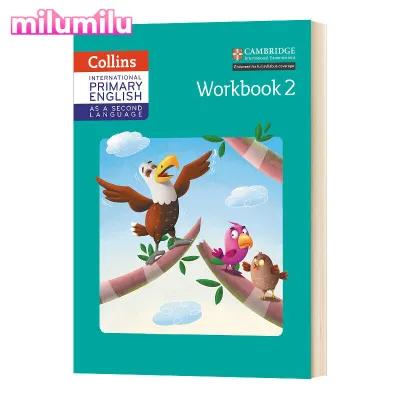
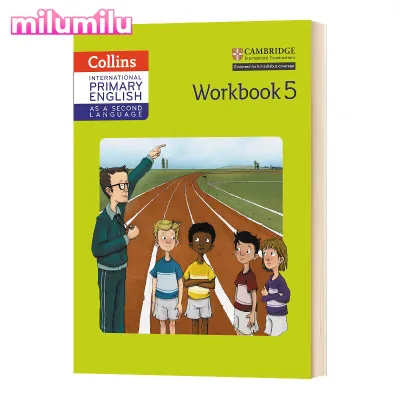
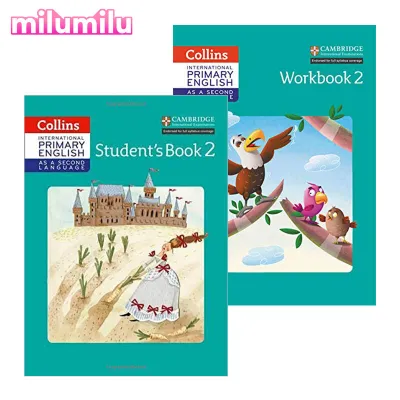
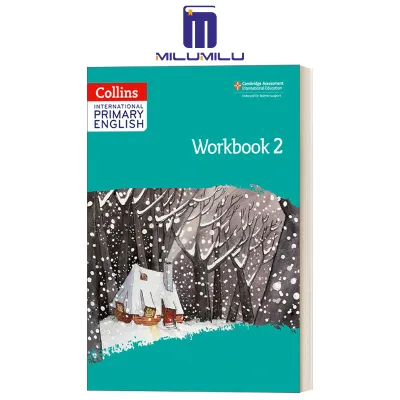
Prices are valid at publication and may change. Please refer to the product page for the latest price.
Look closely for structural keywords in the title, subtitle, or introduction. Terms like “Topical Practice” or “Skill Builder” typically indicate that the workbook is organized by specific grammar rules, vocabulary themes, or language components. These books are designed for daily or weekly reinforcement, allowing students to practice a concept immediately after it is taught in school. On the other hand, keywords such as “Assessment Papers,” “Mock Exams,” or “Test Papers” signal that the book contains cumulative tests designed to simulate actual exam conditions.
SAP workbooks often lean heavily toward comprehensive exam preparation and topical testing, making them highly suitable for students who need to build exam stamina. CASCO series frequently focus on targeted topical exercises that isolate specific components, such as grammar or vocabulary, allowing for focused remedial work. Collins Primary English workbooks generally adopt a holistic, skills-based approach that emphasizes foundational literacy, reading comprehension, and creative language use, which can be highly beneficial for broader language acquisition.
Evaluate Question Formats and Difficulty Progression
A key step in selecting a workbook is ensuring that the question formats align with what is expected in Singapore primary schools. Opening the workbook to inspect the table of contents and sample pages is the most reliable way to verify this alignment. You want to ensure that the exercises prepare your child for the specific formats they will encounter in school assessments.

For a Primary 2 student, standard English assessment formats typically include Grammar Multiple Choice Questions (MCQs), Vocabulary MCQs, Grammar Cloze, Vocabulary Cloze, Synthesis and Transformation, and Comprehension. When reviewing sample pages, check if the workbook covers these specific sections. For instance, Synthesis and Transformation can be particularly challenging at the Primary 2 level, so look for exercises that gently introduce connectors like “and,” “but,” “so,” and “because.”
Additionally, evaluate the difficulty progression and the nature of the comprehension passages. Compare the length of the texts and the complexity of the vocabulary across the different brands. Some workbooks may feature short, straightforward passages with literal comprehension questions where the answers can be directly copied from the text. Others may introduce longer, more complex narratives with inferential questions that require your child to interpret character emotions or draw logical conclusions. Ensuring the difficulty curve matches your child’s current reading ability prevents them from becoming discouraged.
Check Answer Key Quality and Explanations
The quality of the answer key is an often-overlooked factor that directly impacts how useful a workbook is for home-based learning. A high-quality answer key does more than just list the correct options; it serves as a teaching tool for parents and a self-correction guide for students. When evaluating workbooks, flip to the back to inspect the structure of the answers.
For Primary 2 English, a basic answer key that only provides the letter of the correct MCQ or a single-word fill-in-the-blank is of limited value when a child makes a mistake. Look for workbooks that offer detailed explanations, especially for complex sections like Synthesis and Transformation or Comprehension. The answer key should ideally explain why a specific grammatical rule applies, define challenging vocabulary words, or point out the specific line in a comprehension passage that supports the correct answer.
The physical format of the answer key also affects usability. Answer keys that are bound directly into the main body of the book can be difficult to use and may tempt young learners to peek. Look for workbooks that feature tear-out answer booklets or separate inserts. This allows parents to keep the answers separate for marking purposes, making the feedback loop much smoother and more efficient during home study sessions.
Verify Syllabus Alignment and Edition Year
The educational landscape in Singapore is dynamic, with the Ministry of Education (MOE) periodically updating the English Language syllabus to reflect modern pedagogical standards. Consequently, using an outdated workbook can expose your child to retired question formats or obsolete vocabulary lists. It is critical to verify that any workbook you purchase is aligned with the current syllabus.
To ensure alignment, look for explicit indicators on the front cover, back cover, or copyright page, such as “Latest MOE Syllabus” or the specific syllabus year. Be particularly cautious when purchasing books from online marketplaces, third-party retailers, or second-hand platforms. These channels often carry older editions or clearance stock that may look similar to current versions but contain outdated content.
Before finalizing your purchase, cross-reference the edition details and publication year. If you are buying online, check the product specifications carefully and compare the cover image with the official publisher’s website. Ensuring you have the correct, up-to-date edition guarantees that the time your child spends practicing directly supports their classroom learning and school assessments.
Decision Framework: Choosing the Right Fit for Your Child
To choose the most suitable workbook, you must match the specific characteristics of each publisher’s series to your child’s current academic profile and learning goals. There is no need to purchase every available book; instead, select the one that addresses your child’s immediate developmental needs.
Consider choosing an SAP workbook if your child has already mastered basic grammar and vocabulary concepts and needs to focus on exam readiness. These books are ideal for building stamina, practicing time management, and becoming comfortable with the flow of full-length assessment papers before major school reviews.
Opt for a CASCO workbook if your child requires targeted, topical practice to address specific weak areas. If school feedback indicates that your child struggles consistently with grammar cloze or vocabulary usage, the focused, repetitive exercises in these topical workbooks can help reinforce those specific rules until they become second nature.
Select a Collins Primary English workbook if your goal is to build a strong, holistic foundation in the English language. This series is highly suitable for developing broader literacy skills, expanding vocabulary, and improving reading comprehension through engaging, diverse texts, making it an excellent choice for supplementary learning or international curriculum alignment.
Before checking out, always verify the current stock availability, the exact edition year, and whether the book is sold as part of a bundle. Purchasing bundles that combine grammar, vocabulary, and comprehension can often provide a more comprehensive and cost-effective learning path.
Frequently Asked Questions (FAQ)
Can I use all three workbooks together for Primary 2 English?
Using all three workbooks simultaneously is generally not recommended as it can easily lead to academic burnout and redundant practice. Primary 2 students are still developing their learning habits, and overloading them with multiple books covering the same topical formats can decrease their motivation. A more effective strategy is to select one workbook for daily topical reinforcement during the school term, and introduce a different, exam-focused workbook closer to assessment periods for timed practice.
How do I know if a workbook is too difficult for my Primary 2 child?
You can identify if a workbook is mismatched by observing your child’s behavior and performance during study sessions. Signs of excessive difficulty include frequent frustration, avoidance of the workbook, taking an unusually long time to complete a single page, or consistently scoring poorly on foundational grammar exercises. If these signs persist, it is best to step back and use a more foundational workbook to rebuild their confidence and core skills before attempting more challenging material.
Community discussion
Share your experience or ask a question. Comments are reviewed before publication.