
Choosing the right financial reading material in Singapore depends on your investment horizon, analytical needs, and daily routine. If your primary goal is tracking real-time market movements, corporate earnings, and macroeconomic shifts, a high-frequency daily or weekly business magazine is highly effective. Conversely, if you prefer deep-dive personal finance strategies, long-term portfolio planning, and evergreen investment guides, a monthly wealth magazine or a structured annual money book is more suitable.
Before committing to any long-term subscription, always verify that the publication’s digital platform supports your preferred reading devices. Checking for offline access features is also essential if you plan to read during your daily commute or while traveling. Balancing the immediate cost against the depth of actionable insights ensures you select a publication that actively supports your financial literacy goals.
How to Evaluate Content Depth and Editorial Focus
Evaluating the quality of a financial publication requires looking beyond eye-catching headlines to analyze the core editorial focus. Financial media generally splits into two distinct categories: macroeconomic policy and corporate earnings analysis, or retail investing and personal wealth management. Understanding where a publication sits on this spectrum helps you avoid content that is either too technical for your current needs or too basic to be useful.
Products mentioned in this guide
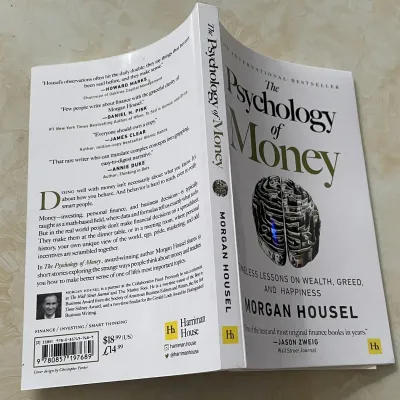

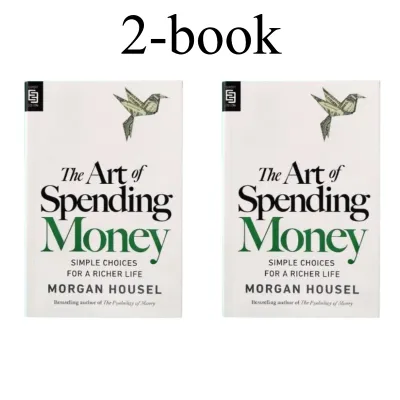

Prices are valid at publication and may change. Please refer to the product page for the latest price.
For readers based in Singapore, geographic relevance is a critical factor when assessing content depth. A publication that focuses heavily on global macroeconomic trends might offer excellent coverage of central bank policies but lack the localized insights you need for domestic investing. Look for publications that provide dedicated coverage of local market structures, such as Singapore Real Estate Investment Trusts (S-REITs), local property market regulations, and Central Provident Fund (CPF) updates.
To verify the analytical rigor of a publication, examine the credentials of its editorial board and regular contributors. High-quality financial journals typically feature articles written by credentialed analysts, economists, or seasoned financial journalists who provide objective, data-driven commentary. Be cautious of publications that rely heavily on sponsored content or unverified guest contributors, as these articles may carry underlying commercial biases.
Another key indicator of content depth is how a publication handles complex financial data. Reputable business magazines do not merely report stock price movements; they explain the underlying drivers, such as debt-to-equity ratios, cash flow health, and industry headwinds. Checking a sample issue for detailed charts, balance sheet breakdowns, and historical comparisons will give you a clear indication of the publication’s analytical standards.
Comparing Publication Frequency and Media Formats
Matching the publication cycle with your information processing habits is vital for maintaining a consistent reading routine. High-frequency publications, such as weekly business magazines, are tailored for active market participants who need timely updates on corporate developments and market sentiment. These issues are designed to be consumed quickly, keeping you informed of rapid shifts in the business landscape.

On the other hand, a specialized money book or quarterly wealth journal focuses on structured, evergreen financial principles. These publications do not attempt to chase the daily news cycle; instead, they offer comprehensive guides on asset allocation, risk management, and retirement planning. If you prefer to study financial concepts systematically without the distraction of short-term market noise, a lower-frequency format is often more valuable.
Media formats also play a significant role in how comfortably you can access and digest financial insights. While physical print editions offer a tactile, distraction-free reading experience, they lack the convenience of digital search functions. Digital PDF replicas preserve the original print layout, which is excellent for viewing complex financial tables, but they can be difficult to read on smaller mobile screens without constant zooming.
Interactive, app-based formats represent the most flexible digital option, provided they are well-designed. When evaluating a digital subscription, check if the official app offers responsive text formatting, searchable archives, and interactive data tools. Furthermore, verify whether the subscription includes regional access restrictions or digital rights management (DRM) limitations that might prevent you from accessing your issues when traveling outside Singapore.
Assessing Subscription Value and Pricing Tiers
To determine the true value of a financial subscription, you must look beyond the baseline S$ cover price and calculate the cost-per-issue across different subscription tiers. Publishers typically offer several access levels, ranging from basic digital-only access to premium print-and-digital bundles. A digital-only subscription is often the most cost-effective choice, but you must ensure it includes full access to the publication’s historical archives.
Many premium subscriptions justify their higher price points by offering exclusive, subscriber-only features that add substantial value. These supplementary resources can significantly enhance your learning and research capabilities:
- Proprietary Databases: Access to searchable corporate databases, historical stock screening tools, or proprietary market indices.
- Exclusive Newsletters: Specialized weekly briefings written by senior editors focusing on specific sectors like technology, real estate, or venture capital.
- Multimedia Content: Subscriber-only podcast episodes, video interviews with industry leaders, or live webinars featuring market analysts.
- Downloadable Tools: Practical templates for portfolio tracking, budgeting, or retirement planning that you can customize for personal use.
Before finalizing any subscription, visit the publisher’s official website to check for current promotional rates or introductory offers. Many financial publications partner with local banks, universities, or professional associations to offer discounted rates for students, alumni, or corporate employees. Additionally, check if your local public library system, such as the National Library Board (NLB) in Singapore, offers free digital access to the publication, which can serve as an excellent way to test the content before committing financially.
Decision Framework: Matching Publications to Your Goals
To streamline your choice, align your primary financial objectives with the publication type that best supports those goals. This structured approach ensures you invest your time and money in resources that match your practical needs.
- The Active Investor: If you actively manage a stock portfolio or work in a corporate environment where market sentiment directly impacts your decisions, prioritize a weekly business magazine. Look for publications that emphasize corporate governance, earnings analysis, and macroeconomic trends.
- The Long-Term Wealth Builder: If your focus is on steady wealth accumulation, retirement planning, and understanding foundational financial concepts, opt for a monthly wealth magazine or a structured money book. These formats provide the step-by-step frameworks necessary for building a resilient portfolio.
- The Casual Observer: If you only require basic market updates and general economic news, a paid subscription may not be necessary. Verify whether free financial news aggregators, public library digital resources, or the free tiers of major financial portals can satisfy your baseline information needs first.
Frequently Asked Questions (FAQ)
Can I access local business magazines digitally outside the country?
Yes, most digital subscriptions allow you to access content globally, but you must verify the publisher’s specific terms of service regarding regional access. Some platforms employ geo-blocking or restrict concurrent logins from different IP addresses to prevent account sharing. To ensure uninterrupted reading while traveling, check if the publication’s official mobile app supports offline downloading, which allows you to read pre-loaded issues without an active internet connection.
Are annual money books better than monthly magazine subscriptions for beginners?
For absolute beginners, a structured annual money book is generally more beneficial than a monthly magazine subscription. Money books typically offer a cohesive, step-by-step educational framework that covers foundational concepts like budgeting, compounding interest, and basic asset allocation. Monthly magazines, while valuable, assume a baseline level of financial knowledge and focus on timely market updates, which can sometimes overwhelm a novice reader who has not yet mastered the basics.
Community discussion
Share your experience or ask a question. Comments are reviewed before publication.