
When comparing panda drum brands, the right choice depends on whether you are shopping for a children’s toy or a steel tongue drum featuring a panda design. Toy-focused brands prioritize safety, lightweight materials, and visual appeal, while acoustic brands focus on alloy quality, precise tuning, and resonance. To find the best value, you must match the instrument’s specifications to your intended use, whether that is early childhood sensory play, casual meditation, or structured music education.
Identifying Your Panda Drum Type and User Needs
Before comparing brands, you must clarify which type of panda drum fits your needs. The term “panda drum” is used for two entirely different products. On one hand, you will find children’s toy percussion instruments, often shaped like a panda or decorated with cartoon graphics. On the other hand, there are steel tongue drums, which are circular metal instruments played with mallets or fingers, frequently featuring panda engravings, logos, or carrying bags.
For a toddler or young child, a toy drum is the appropriate choice. These instruments are designed to be lightweight, easy to handle, and visually engaging. They focus on basic rhythm introduction and sensory play rather than precise musical notes. Safety is the primary concern here, requiring non-toxic finishes and sturdy construction that can withstand drops and rough handling.
Products mentioned in this guide

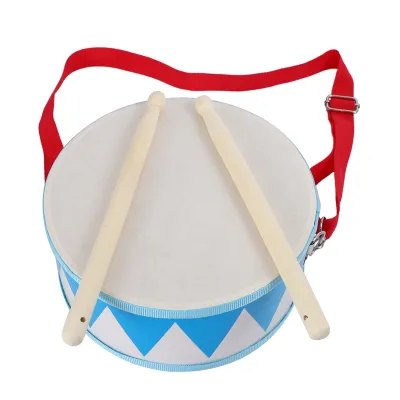
Prices are valid at publication and may change. Please refer to the product page for the latest price.
For older children, beginners, or adults, a steel tongue panda drum offers a genuine musical experience. These instruments produce soothing, melodic tones when struck. They are ideal for casual meditation, yoga sessions, sound therapy, or introductory music education. Because they are tuned to specific scales, usually pentatonic, they do not require prior musical training to sound pleasant.
Identifying your primary goal helps narrow down the brands. If you seek a tool for relaxation or learning basic melodies, you should focus on acoustic instrument brands. If you want a playful toy to encourage motor skills in a toddler, you should look at reputable toy manufacturers. Mixing up these categories can lead to disappointment, such as purchasing a heavy metal drum for a toddler or a plastic toy for an adult seeking meditation music.
Key Quality Dimensions to Compare Across Brands
When evaluating different brands, several key quality dimensions will help you distinguish between a high-quality instrument and a poorly made alternative. For both toys and steel tongue drums, the materials used form the foundation of durability and safety.

For steel tongue drums, the alloy composition is critical. High-quality brands typically use carbon steel, titanium alloy, or stainless steel. The thickness of the metal affects the drum’s resonance and tuning stability. You should check the manufacturer’s specifications for rust-resistant coatings, especially in humid climates like Singapore, where moisture can quickly degrade unprotected metal. For toy drums, look for food-grade plastics or sustainably sourced wood finished with non-toxic, water-based paints.
Acoustic performance is the next major differentiator. A well-made steel tongue drum should produce a clear, warm tone with a balanced sustain. When you strike a note, it should ring out without a harsh, metallic buzzing sound or excessive overtones that muddy the melody. Cheaper, unbranded drums often suffer from poor tuning accuracy, meaning the notes may sound flat or sharp relative to each other. For toy drums, acoustic quality is less about precise tuning and more about producing a pleasant, non-jarring sound that is safe for sensitive young ears.
The accessories included in the package also vary significantly by brand. A complete set usually includes a pair of matched mallets, a dedicated carrying bag, note stickers, and an instructional booklet or songbook. Compare the quality of these accessories. For instance, a padded, water-resistant carrying bag offers much better protection than a thin drawstring pouch. Mallets should have comfortable handles and securely attached rubber or silicone heads to ensure safety and optimal sound production.
Price Tiers and Value Expectations
Panda drums are available across a wide range of price points, and understanding what each tier offers will help you set realistic expectations. Prices generally reflect the materials used, the precision of the tuning process, and the overall build quality.
The budget and entry-level tier typically includes basic plastic toy drums and small, mass-produced steel tongue drums, often priced under S$40. At this level, steel drums are usually small, featuring six to eight notes in a simple pentatonic scale. While they are highly affordable, they may have limited resonance, and the tuning might not be perfectly precise. Toy drums in this tier are functional but may use thinner plastics or simpler designs that are less durable over time.
The mid-range tier, generally ranging from S$40 to S$120, offers the most balanced value for most buyers. For steel tongue drums, this tier introduces larger sizes, such as 10 to 12 inches, with 11 or 13 notes. These instruments benefit from better alloy compositions, resulting in richer resonance and more accurate tuning. Toy drums in this price range are often made by established educational toy brands, featuring robust wood construction, interactive learning features, and superior safety certifications.
The premium and professional tier, which can exceed S$150, is aimed at serious enthusiasts, educators, and musicians. In this category, steel tongue drums are often hand-tuned by skilled artisans and constructed from advanced alloys like copper-infused steel. They feature complex scales, minimal overtones, and exceptional sustain, making them suitable for recording or sound therapy sessions. The finish is highly durable, often featuring hand-engraved panda designs, and the package includes professional-grade accessories.
Evaluating Brand Reputation and Retailer Support
Because many panda drum brands are relatively niche or sold primarily online, verifying brand reputation requires a systematic approach. You cannot always rely on brand names alone, so looking at user feedback and retailer support is essential.
Start by analyzing long-term user reviews on major ecommerce platforms and music forums. Pay close attention to feedback regarding how the instrument holds up over several months of use. For steel tongue drums, look for comments about tuning stability—some low-quality drums can go out of tune if exposed to temperature changes or played firmly. For toy drums, check for reports of paint chipping, loose parts, or cracked plastic, which can pose safety hazards for young children.
Customer support and warranty policies are strong indicators of a brand’s confidence in its products. Reputable brands or authorized local distributors should offer a clear return window and a warranty against manufacturing defects. If you purchase from an online marketplace, verify that the seller has a high rating and a history of responsive communication. Avoid sellers who do not provide clear contact information or those with vague return policies.
Finally, consider the ecosystem of support the brand provides. High-quality instrument brands often offer online video tutorials, downloadable songbooks, and active community groups where players share tips. They also make it easy to purchase replacement parts, such as extra mallets, finger picks, or replacement note stickers. A brand that supports its customers after the purchase is far more likely to deliver a satisfying long-term experience.
Decision Framework: Choosing the Right Panda Drum
To make your final decision, you can use a simple framework based on your primary goals, the user’s age, and your budget. This ensures you do not overspend on features you do not need or end up with an instrument that fails to meet your expectations.
If your primary goal is early childhood sensory play, safety, and visual engagement, you should choose a toy-focused brand. Look for manufacturers that specialize in children’s developmental toys. Verify that the product has passed relevant safety standards, uses non-toxic materials, and features rounded edges. These drums are perfect for introducing toddlers to rhythm without the weight or sharp edges of metal instruments.
If your goal is casual playing, personal relaxation, sound therapy, or beginner music education, a mid-tier steel tongue drum brand is the ideal choice. These drums offer excellent value, providing accurate tuning and a pleasant, resonant sound without a premium price tag. An 11-note drum in a major pentatonic scale is highly versatile and easy to learn, making it a wonderful addition to a home or classroom.
If you require performance-grade tuning, complex musical scales, and long-term durability, you should invest in a premium acoustic brand. These instruments are designed for serious musicians, educators, or therapists who need precise pitch accuracy and rich acoustic properties. They are built to last and often feature beautiful, hand-crafted designs that make them a centerpiece in any collection.
Before finalizing your purchase, always verify the manufacturer’s specifications. If you plan to use the drum outdoors, check for weather-resistant coatings. If you are playing alongside other instruments, ensure the drum is tuned to a standard reference pitch, such as A440, and a compatible musical key. Taking these extra steps will guarantee that your panda drum provides years of musical enjoyment.
Frequently Asked Questions (FAQ)
Are panda steel tongue drums suitable for professional musical performances?
Most standard panda steel tongue drums are designed for beginners, meditation, or casual play rather than professional stage performances. They typically feature a limited pentatonic scale, which restricts the range of musical pieces you can play. Additionally, their natural volume projection is modest, meaning they require external amplification or microphone setups to be heard clearly in a performance venue. For professional use, you would need to seek out high-end, hand-tuned models from specialized acoustic brands that offer precise chromatic scales, superior alloy resonance, and professional-grade tuning stability.
How do I maintain and clean a steel tongue panda drum?
To maintain the sound quality and appearance of your steel tongue drum, wipe it down regularly with a dry, soft microfiber cloth after each use to remove oils from your hands. Avoid using harsh chemical cleaners, abrasive pads, or excessive water, which can damage the protective finish and lead to rust. Keep the drum in a dry environment and store it in its padded carrying bag when not in use to protect it from dust and physical impact. If you notice rust spots or a shift in the drum’s tuning, consult the manufacturer’s guidelines or contact a professional instrument technician rather than attempting to sand or retune the metal yourself.
Community discussion
Share your experience or ask a question. Comments are reviewed before publication.