
Evaluating a ukulele gig bag like the Tao Fashion model requires looking past aesthetic appeal to analyze how well it safeguards your instrument. For casual players, students, and musicians undertaking light commutes, a fashion-forward padded bag often provides a highly practical balance of style, basic protection, and affordability. However, if your routine involves navigating crowded trains, packing your instrument alongside heavy gear, or traveling long distances, you must carefully weigh its structural specifications against more robust, premium alternatives.
Determining whether this type of bag offers adequate value depends on a close inspection of physical attributes that are often overlooked online. By examining padding density, zipper construction, strap reinforcement, and pocket utility, you can make an informed decision that matches your budget and transport habits. This guide breaks down the essential criteria for comparing the Tao Fashion ukulele bag with other padded options on the market, helping you choose the right level of security for your instrument.
Assessing Core Protection: Padding and Shell Structure
The primary defense against drops and bumps is the bag’s padding and overall shell structure. When comparing gig bags, padding is typically measured in millimeters of thickness, ranging from a minimal 5mm to a substantial 20mm or more. Budget-friendly fashion bags often utilize standard open-cell foam padding, which is lightweight and flexible but compresses easily under pressure. To verify the protective quality of any bag, perform a simple physical squeeze test: press the outer and inner walls together between your thumb and forefinger. If you easily feel your fingers meeting with little resistance, the foam is low-density and will only protect against minor surface scratches rather than significant impact.
Products mentioned in this guide
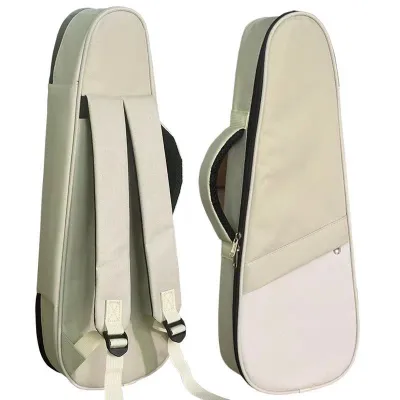

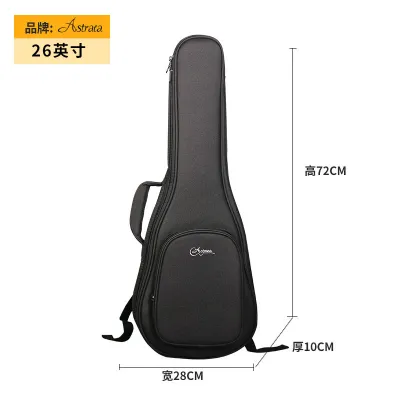
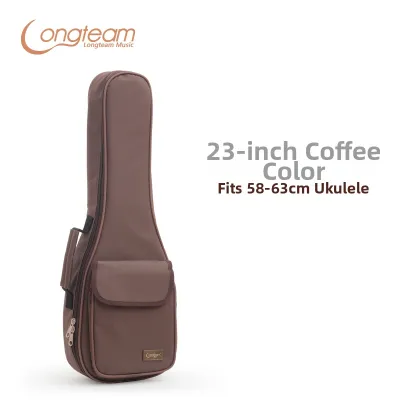
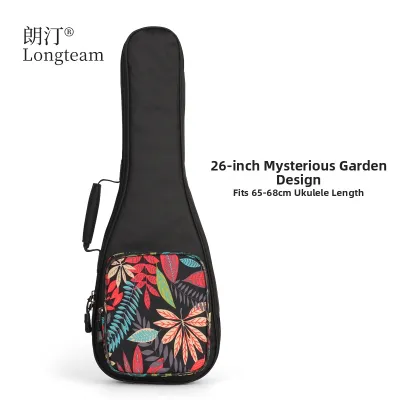
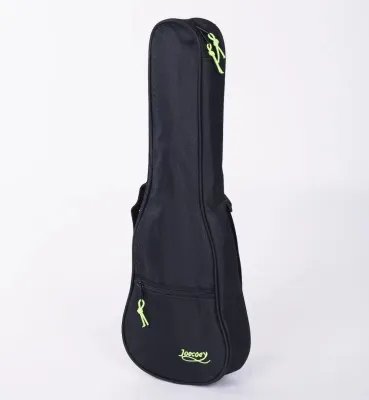
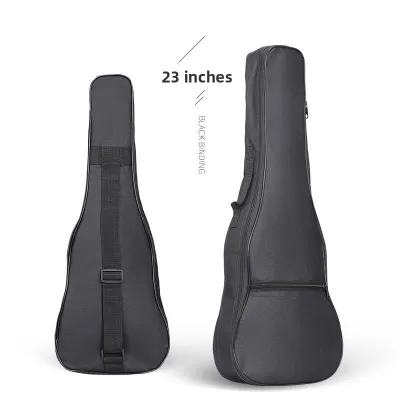
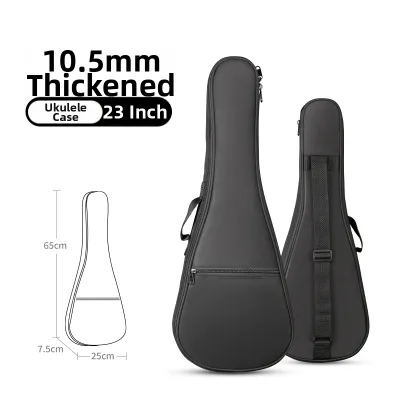
Prices are valid at publication and may change. Please refer to the product page for the latest price.
In contrast, premium gig bags frequently employ high-density, closed-cell foam or dual-layer padding systems. Closed-cell foam offers superior shock absorption because it does not compress as easily, dispersing the force of an impact across a wider surface area. If you commute on busy public buses or trains where your bag might be bumped, prioritizing a bag with at least 10mm to 15mm of high-density padding is highly recommended.
Beyond wall thickness, the internal structure plays a critical role in preventing damage. The neck is the most vulnerable part of any stringed instrument; a sudden drop can easily cause a fracture where the headstock meets the neck. High-quality gig bags often feature an internal neck support block, usually made of dense foam wrapped in soft fabric, complete with a Velcro security strap. This block cradles the neck, keeping the instrument centered and preventing it from shifting laterally. When evaluating a fashion gig bag, check the specifications or interior photos to confirm if a neck strap or support cushion is included, as many entry-level models omit this feature.
Finally, consider the difference between a soft-shell gig bag and a semi-rigid hybrid case. Soft-shell bags are highly pliable, making them easy to fold and store when empty, but they offer no structural resistance against crushing forces. Semi-rigid cases incorporate thin plastic or wooden panels within the padded walls, providing a hard exterior frame while retaining the lightweight portability of a fabric bag. If your transport scenarios involve stacking your ukulele in a car trunk underneath other luggage, a soft-shell fashion bag will not suffice, and you should opt for a semi-rigid alternative.
Inspecting Hardware: Zippers, Stitching, and Straps
A gig bag is only as reliable as its hardware, and zipper failure is one of the most common reasons musicians are forced to replace their bags. When comparing options, look closely at the zipper track and slider design. Heavy-duty bags typically feature large, molded plastic or metal zippers (often classified as size #8 or #10) that slide smoothly without catching. Smaller, delicate zippers are prone to splitting under tension, especially if the bag is packed tightly. Additionally, high-quality bags incorporate an internal fabric guard—a padded strip of material that runs along the inside of the zipper track. This guard prevents the metal or plastic teeth of the zipper from rubbing against the delicate wooden edges of your ukulele, protecting the finish from scratches during packing and unpacking.

Stitching is another critical indicator of long-term durability, particularly at high-stress points such as where the shoulder straps and carrying handles attach to the main body. Examine these areas for reinforced stitching patterns, such as a box-stitch (a square with an “X” sewn inside) or heavy bar-tacking. Single-line stitching in these areas is highly susceptible to unraveling over time under the weight of the instrument and accessories. If you plan to carry your ukulele over your shoulder daily, reinforced strap attachments are non-negotiable to prevent sudden drops caused by a torn strap.
The design of the carrying straps themselves directly impacts your comfort during longer commutes. Basic gig bags often feature thin, unpadded nylon webbing straps that can dig into your shoulders over time. More ergonomic designs offer wide, adjustable backpack straps lined with breathable mesh and thick foam padding. This distribution of weight makes a noticeable difference if you walk long distances or stand for extended periods. When comparing bags, assess whether the strap adjustment buckles are made of durable, high-impact plastic or metal, as flimsy hardware can slip easily, causing the bag to hang unevenly or slide off your shoulder.
Comparing Storage: Pocket Layouts and Utility
For many players, a gig bag must serve as a mobile workstation, carrying not just the instrument but also essential accessories and learning materials. The layout and capacity of the exterior pockets can vary dramatically between minimalist fashion bags and utility-focused designs. When assessing storage, start by measuring the dimensions of the main front pocket. A practical pocket should comfortably accommodate a clip-on tuner, a capo, spare string sets, a cleaning cloth, and perhaps a small notebook. If the pocket is too flat or lacks depth, packing these items will cause it to bulge inward, pressing directly against the soundboard of your ukulele and potentially detuning or damaging the instrument.
If you regularly use sheet music, lyric books, or a tablet for practice, check for a dedicated flat compartment. Many standard gig bags feature a large, zippered pocket on the front that can accommodate A4-sized books or standard tablets. However, some minimalist or highly stylized fashion bags prioritize a sleek exterior profile, offering only a small pouch that is insufficient for larger printed materials. If you are a student attending weekly lessons, a bag that cannot hold your instructional books will force you to carry a second tote bag, defeating the purpose of an all-in-one transport solution.
Premium gig bags often elevate storage utility by incorporating specialized compartments. These can include fleece-lined pockets designed to protect smartphone screens or delicate finishes, internal mesh organizers with elastic loops for pens and tools, and even hidden security pockets on the back panel for personal items like keys or wallets. While a standard fashion bag may not offer these advanced organizational features, you should ensure that the available pockets are positioned logically and do not compromise the safety of the instrument when fully loaded.
The Verdict: Matching the Bag to Your Transport Needs
Choosing between the Tao Fashion ukulele bag and a premium alternative ultimately depends on a realistic assessment of your daily routine, your budget, and the value of your instrument. There is no single option that suits every musician, but establishing a clear decision framework can help you avoid overspending on unnecessary features or, conversely, underprotecting a valuable instrument.
The Tao Fashion bag, and similar fashion-forward padded gig bags, are excellent choices if you are looking for a lightweight, budget-friendly option. If your typical commute involves carrying your ukulele from your home to a local music class in a private vehicle, or if you primarily use the bag to keep dust off your instrument at home, a standard padded bag offers more than enough protection. These bags are often priced very reasonably—frequently under S$30 to S$40—making them highly accessible for beginners or players with multiple instruments. They allow you to express your personal style through various colors and patterns while providing basic defense against light bumps and scratches.
On the other hand, you should invest in a premium, heavy-duty padded gig bag or a semi-rigid case if your transport habits involve higher risks. If you regularly commute via crowded public transit, walk long distances in unpredictable weather, or travel by air, the added security of 20mm high-density padding, water-resistant exterior fabrics, and rigid internal supports is well worth the higher price tag, which often ranges from S$60 to over S$120. Protecting a high-end, solid-wood ukulele requires a bag that can absorb significant impacts and resist crushing forces, as a cracked soundboard or broken neck can be incredibly costly to repair.
Before making any purchase, the most critical step is to verify the physical compatibility between your instrument and the bag. Ukuleles come in four primary sizes—soprano, concert, tenor, and baritone—and gig bags are manufactured to match these specific dimensions. Never rely solely on the general size label, as body shapes and headstock lengths can vary significantly between different brands. Always measure your ukulele’s total length, maximum lower bout width, and body depth, and cross-check these measurements against the manufacturer’s listed internal dimensions of the bag. Ensuring a snug, secure fit prevents the instrument from sliding around inside, which is key to maximizing the protective capabilities of any gig bag you choose.
Frequently Asked Questions (FAQ)
Will a tenor or baritone ukulele fit inside the standard bag?
Standard fashion gig bags are frequently designed and sized specifically for soprano or concert ukuleles, which are the most common sizes for casual players. A tenor or baritone ukulele has a significantly longer neck and a wider, deeper body, meaning it will not fit into a standard-sized bag. To avoid the hassle of returns, always measure your instrument’s total length, lower bout width, and body depth. Compare these measurements directly against the manufacturer’s listed internal dimensions rather than relying on generic size categories, as some tenor models with extended headstocks may require a slightly larger bag.
Are fashion-printed canvas or nylon gig bags water-resistant?
Most fashion-printed canvas or standard nylon gig bags offer limited water resistance, meaning they can handle light mist or accidental splashes but are not fully waterproof. Canvas is a porous material that will absorb moisture over time if exposed to heavy rain, potentially allowing water to seep through the padding and reach your instrument’s wooden body. If you frequently commute outdoors in wet weather, look for bags made from high-denier polyester or nylon with a water-repellent coating. For complete peace of mind during heavy downpours, consider purchasing a separate, elasticized waterproof rain cover that can be quickly slipped over your gig bag.
Community discussion
Share your experience or ask a question. Comments are reviewed before publication.