
Quick Answer: Phosphor Bronze vs 80/20 Bronze
Selecting the right acoustic guitar strings is one of the most direct ways to shape your instrument’s voice. The primary difference between D’Addario Phosphor Bronze and 80/20 Bronze strings lies in their tonal profile and alloy composition. Phosphor Bronze strings deliver a warm, rich, and complex midrange with a smooth high-end response. In contrast, 80/20 Bronze strings provide a bright, crisp, and highly articulate sound with a prominent high-frequency shimmer.
Your optimal choice depends on balancing your guitar’s natural tonewood voice with your physical playing style. If your instrument sounds inherently bright, Phosphor Bronze can introduce a welcome warmth and fullness. If your guitar has a dark or muddy character, 80/20 Bronze can inject clarity and projection. Both options are industry-standard acoustic alloys, meaning your final decision should focus on the specific sonic gap you want to fill in your current setup.
Core Tonal Characteristics and Material Composition
To understand why these two string types sound so different, it helps to look at their physical and chemical makeup. Acoustic guitar strings consist of a steel core wire wrapped with a copper-alloy wire. The specific metals used in this wrap wire dictate how the string vibrates, how it interacts with the guitar’s soundboard, and how it ages over time.
Products mentioned in this guide
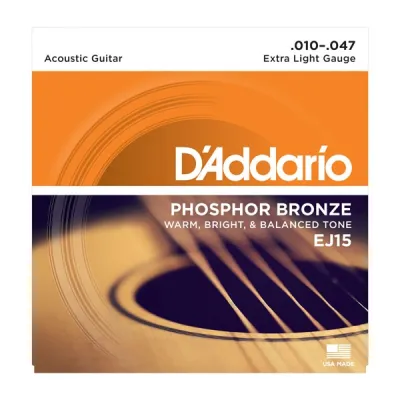
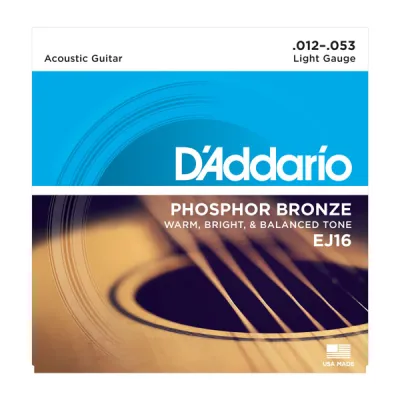
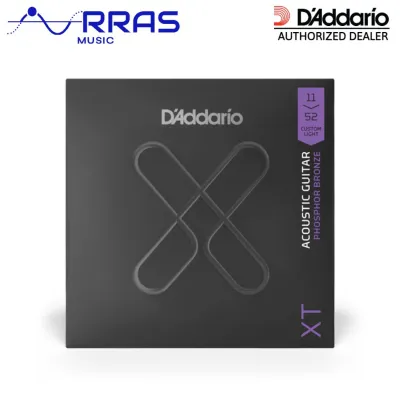
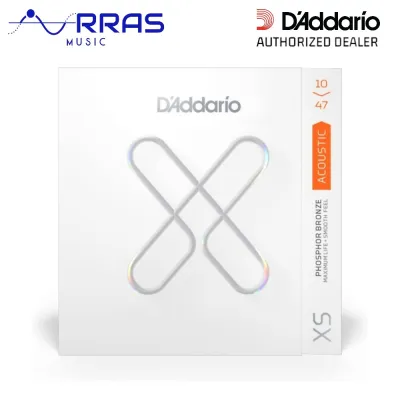

Prices are valid at publication and may change. Please refer to the product page for the latest price.

Phosphor Bronze strings are typically composed of approximately 92% copper, 8% tin, and a small fraction of phosphorus. The addition of phosphorus serves a dual purpose: it acts as a deoxidizing agent during the melting process, which refines the grain structure of the metal, and it slightly increases the alloy’s overall hardness. Tonally, this composition yields a balanced, dark, and warm sound. The midrange is highly complex, offering rich overtones that blend beautifully during chordal playing. The treble frequencies are present but rounded, preventing the guitar from sounding overly harsh or metallic.
On the other hand, 80/20 Bronze strings—often referred to historically as brass—are made of 80% copper and 20% zinc. This higher zinc content creates a stiffer wrap wire that produces a highly efficient transfer of high-frequency energy. When you pluck an 80/20 string, you get a bright, shimmering, and highly articulate transient attack. The midrange is somewhat scooped, which emphasizes the deep lows and the sparkling highs. This makes each note stand out with exceptional clarity, though some players find the initial brightness to be quite intense before the strings settle in.
It is important to check specific product packaging and specifications before purchasing. Modern manufacturing techniques, such as micro-coatings or specialized core wire shapes, can alter these baseline tonal profiles. For instance, a coated Phosphor Bronze string may exhibit slightly less high-end zip than an uncoated equivalent, while still retaining its characteristic warmth.
Pairing Strings with Acoustic Guitar Body Types
An acoustic guitar’s body shape, size, and tonewoods act as a natural amplifier and equalizer. Because different body styles emphasize different frequencies, pairing them with the right string material is essential for achieving a balanced overall sound.
Large-bodied guitars, such as dreadnoughts and jumbos, naturally produce a massive bass response and a scooped midrange. When constructed with dark-sounding tonewoods like rosewood, these instruments can sometimes sound overly boomy or muddy in the low end. Pairing a dreadnought with 80/20 Bronze strings is a classic combination. The bright, articulate attack of the 80/20 alloy cuts through the heavy bass, adding definition to individual notes and helping the guitar project clearly in a live mix.
Conversely, small-bodied guitars like parlor, concert, or grand concert shapes have smaller air cavities that naturally emphasize the midrange and treble frequencies. Instruments made with bright tonewoods, such as maple or birch, can sound thin or boxy if paired with bright strings. For these guitars, Phosphor Bronze is often the ideal choice. The inherent warmth and rich low-midrange overtones of Phosphor Bronze help fill out the lower frequencies, giving a small-bodied guitar a much larger, rounder, and more balanced acoustic voice.
Before making a decision, verify your guitar’s tonewood specifications and the manufacturer’s original recommendations. Some boutique builders voice their instruments specifically for one type of alloy. Additionally, keep in mind that while strings are an excellent tool for fine-tuning your tone, they cannot completely fix structural tonal imbalances, a warped neck, or a poor physical setup. If your guitar suffers from dead spots or high action, a professional setup is required before string selection can make a meaningful difference.
Aligning String Choice with Playing Styles and Genres
Your physical technique and the musical genres you play should heavily influence your choice of string material. The way you strike the strings—whether with bare fingers, fingernails, or a heavy plectrum—interacts directly with the physical properties of the alloy.
Fingerstyle and Solo Acoustic Playing
Fingerstyle players often prefer Phosphor Bronze strings. Because playing with the flesh of your fingers produces a softer, warmer attack than playing with a pick, the rich overtones and sustained warmth of Phosphor Bronze help to sustain notes and create a lush, blended soundscape. This is particularly beneficial for solo performers, folk musicians, and singer-songwriters who need their guitar to provide a full, supportive cushion for their vocals.
Flatpicking, Bluegrass, and Lead Playing
If your playing style involves fast flatpicking, heavy strumming, or playing in an ensemble, 80/20 Bronze strings are highly advantageous. The sharp transient attack and distinct note separation of 80/20 Bronze ensure that fast, articulate runs do not get lost in a muddy wash of overtones. In genres like bluegrass, country, and traditional acoustic blues, the ability to cut through the sound of banjos, mandolins, or fiddles is crucial, making the bright projection of 80/20 Bronze a preferred choice.
Rhythm Strumming and Accompaniment
For general rhythm strumming, the choice depends on the desired texture. If you want a cohesive, warm wall of sound where chords blend seamlessly, Phosphor Bronze is excellent. If you prefer a percussive, crisp rhythm sound with plenty of high-end definition on the downstrokes, 80/20 Bronze will deliver that snappy response.
Remember that string gauge (thickness) also plays a massive role in playability and tension. Heavy gauges require more physical effort to fret and bend but drive the guitar’s top board harder, resulting in more volume. Always select your preferred gauge in tandem with your chosen material to ensure your hands and your instrument remain comfortable.
Longevity, Tonal Aging, and Maintenance
All guitar strings degrade over time due to physical wear, tension loss, and chemical oxidation. However, the rate at which they age and how their tone changes throughout their lifespan varies significantly between Phosphor Bronze and 80/20 Bronze.
Because 80/20 Bronze contains a high percentage of zinc, it is highly susceptible to oxidation from moisture, humidity, and the natural acids on your fingertips. When first installed, 80/20 strings are incredibly bright, but they tend to lose this high-end “zing” relatively quickly. As they oxidize, they transition into a much mellower, woodier tone. Some players actually prefer this broken-in sound, while others find the rapid loss of brightness frustrating.
Phosphor Bronze strings are inherently more resistant to corrosion due to the inclusion of phosphorus in the alloy. While they do not start out as bright as 80/20 strings, they tend to maintain their warm, balanced tonal profile for a longer period of time. The decay curve of Phosphor Bronze is generally more gradual, offering a consistent, predictable sound over weeks of regular playing.
Regardless of which alloy you choose, you can extend the life of your strings by practicing standard, low-risk maintenance routines:
- Wipe down the strings: Use a clean, dry, lint-free microfiber cloth to wipe down the top and underside of the strings after every playing session to remove sweat and skin oils.
- Wash your hands: Washing your hands with soap and water before playing removes dirt and oils that accelerate corrosion.
- Control the environment: Store your guitar in a stable humidity environment, ideally between 45% and 55% relative humidity. This is especially important in tropical climates like Singapore, where high humidity can rapidly rust uncoated strings and damage the guitar's wood.
- Consider coated options: If longevity is your primary concern, check product labels for factory-applied corrosion-resistant coatings, such as D'Addario's XS or XT lines, which protect the metal wrap wire from moisture without completely dampening the string's natural vibration.
Final Decision Framework: Choose Your D'Addario Strings
To make your final purchase decision, use this structured framework to match your specific needs to the right string set.
Choose Phosphor Bronze if:
- You want a warm, rich, and dark acoustic tone with complex midrange overtones.
- You play a small-bodied guitar (such as a parlor or concert size) and want to add fullness and low-end warmth.
- Your playing style focuses on fingerstyle, folk, or vocal accompaniment where a blended, sustained sound is desired.
- You prefer strings that maintain a consistent, balanced tone over a longer lifespan without rapid decay.
Choose 80/20 Bronze if:
- You want maximum brightness, a sparkling high-end shimmer, and a crisp, articulate attack.
- You play a large-bodied guitar (such as a dreadnought or jumbo) and need to cut through a muddy low end or add definition to your bass notes.
- Your playing style involves fast flatpicking, bluegrass leads, or heavy percussive strumming where note separation is critical.
- You enjoy the ultra-bright sound of fresh strings and do not mind changing them more frequently to maintain that specific tone.
Verify first if:
- Your guitar's neck and bridge can handle the tension of your chosen string gauge. If you are changing gauges significantly (e.g., moving from extra-light to medium strings), consult a qualified guitar technician to adjust the truss rod and nut slots.
- You prefer the feel of coated versus uncoated strings, as coatings will extend life but slightly alter the physical texture under your fingers.
Frequently Asked Questions (FAQ)
Can I mix Phosphor Bronze and 80/20 Bronze strings on the same guitar?
While you can physically mix different string types on a single guitar, it is generally not recommended. Mixing alloys can lead to uneven volume levels across the fretboard, conflicting overtones, and inconsistent physical tension. This can make the instrument feel awkward to play and difficult to tune accurately. For a consistent tone and balanced tension, it is best to install a complete, uniform set of either Phosphor Bronze or 80/20 Bronze strings.
Do D'Addario Phosphor Bronze strings require a longer break-in period?
All new acoustic guitar strings require a brief break-in period to stretch physically and settle into stable tuning. When first installed, both Phosphor Bronze and 80/20 Bronze strings will sound exceptionally bright and metallic. This initial harshness typically mellows out after a few hours of active playing. This settling process is a general characteristic of new metal alloys under tension rather than a specific delay unique to Phosphor Bronze.
Are these strings compatible with acoustic-electric guitars and pickups?
Yes, both Phosphor Bronze and 80/20 Bronze strings are fully compatible with acoustic-electric guitars. If your guitar uses an under-saddle piezo pickup or an internal microphone, both string types will perform excellently, as these systems capture physical vibrations and acoustic resonance. However, if your guitar uses a magnetic soundhole pickup, you should verify the pickup manufacturer’s guidelines. Magnetic pickups rely on electromagnetic induction, and because bronze alloys are less magnetically active than nickel or steel, some magnetic pickups may require specialized string formulations for optimal string-to-string volume balance.
Community discussion
Share your experience or ask a question. Comments are reviewed before publication.